
Last updated November 25, 2026
 Sweep & inspection
 Caps & crowns
 Flue relining
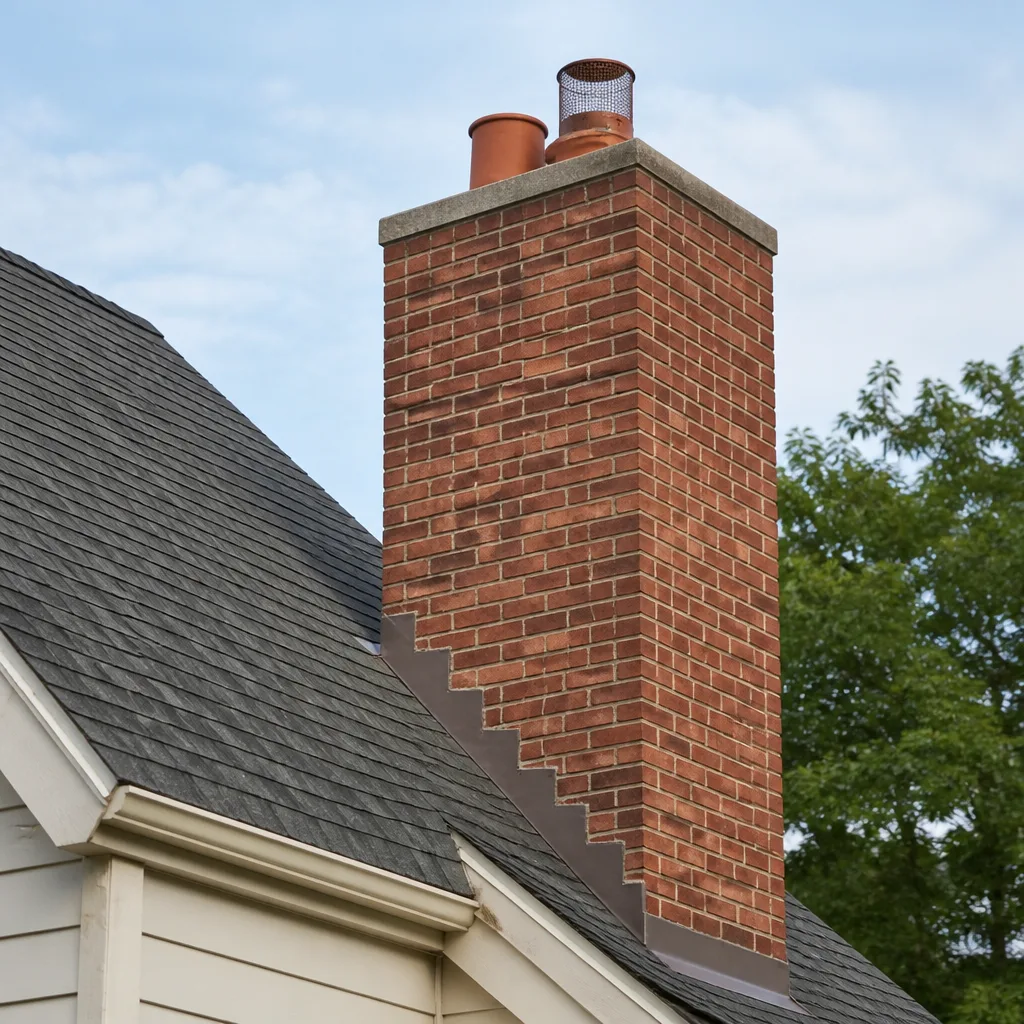 Masonry repair
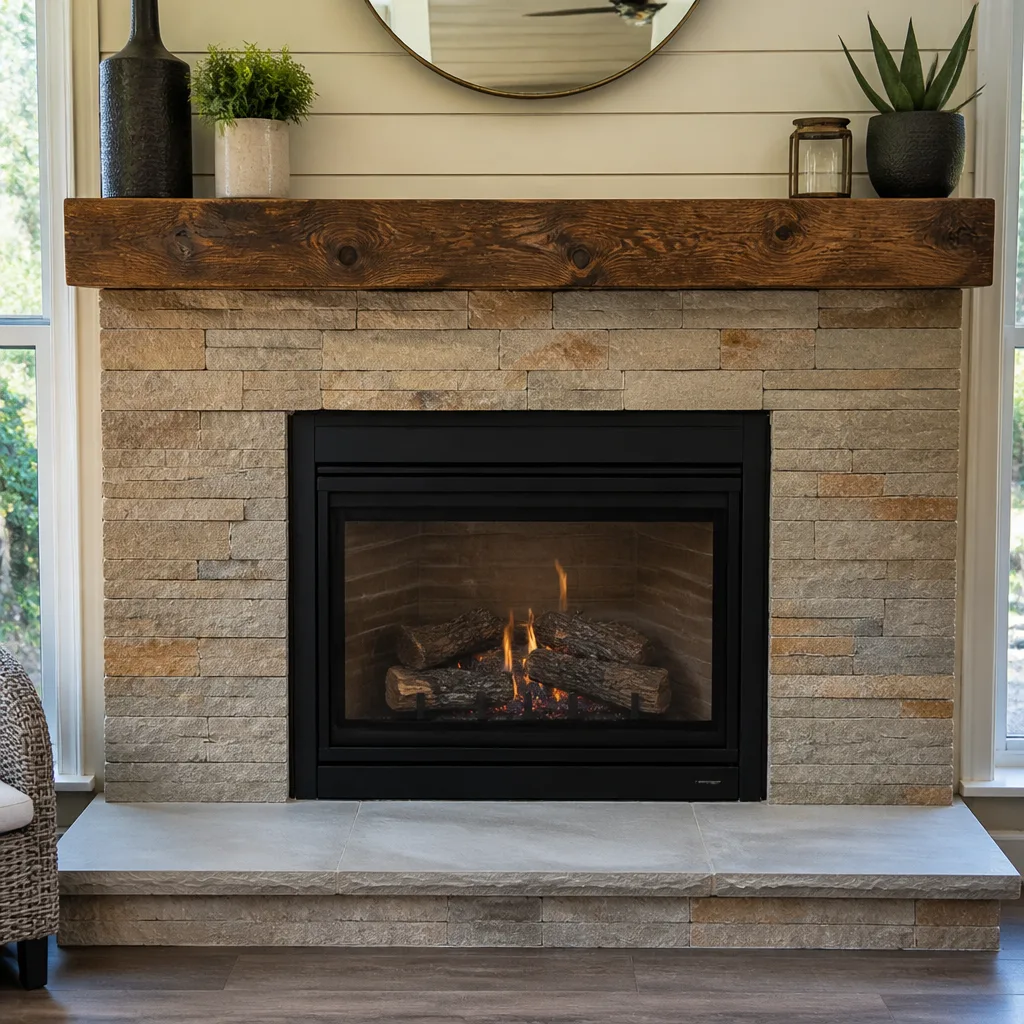 Gas fireplace service
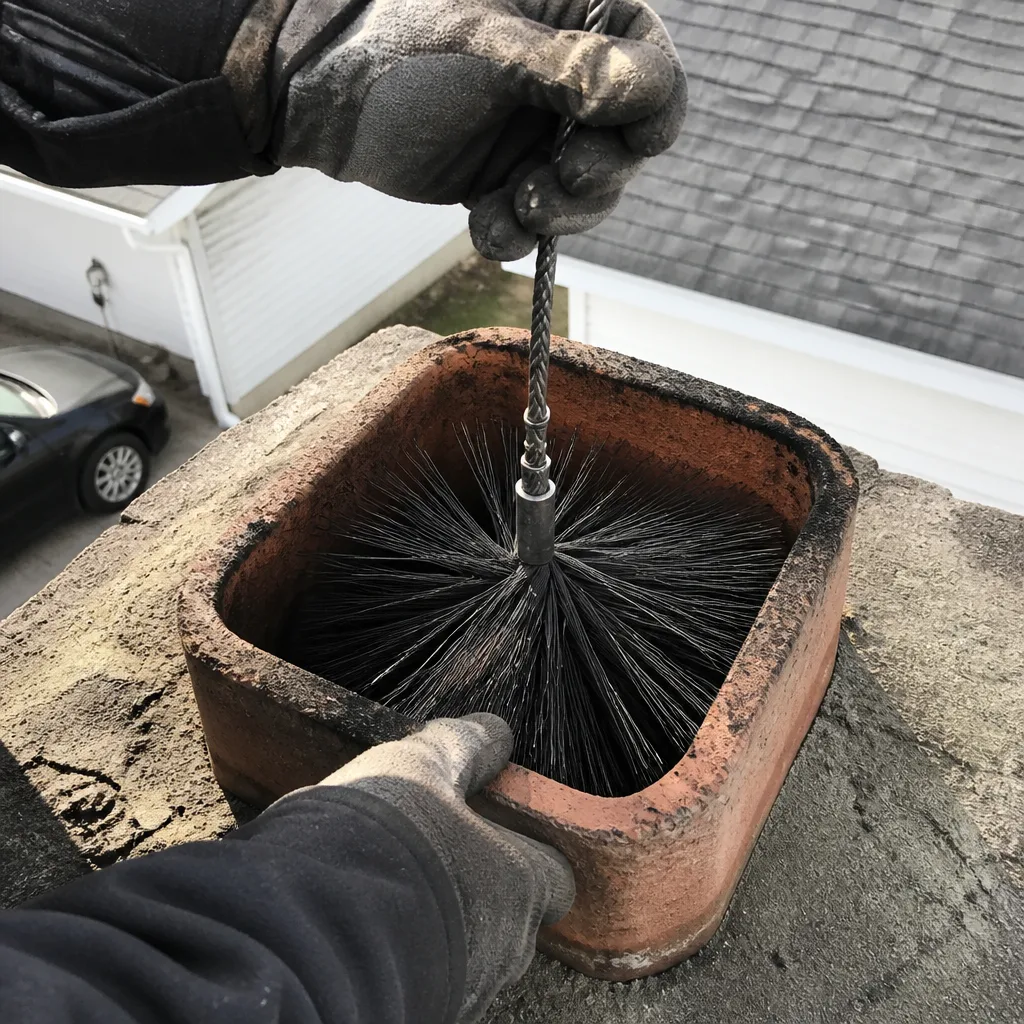
Level 1 sweep and inspection to the NFPA 211 annual standard - flue, crown, cap, and flashing checked and photographed
Chimney sweep logs do not sweep chimneys. They loosen some creosote - which then falls where a brush and vacuum still have to collect it.
Chimney Cleaning Permits, Codes & Inspections in East Boston, MA: What You Need to Know
Most East Boston homeowners assume permits only matter for big construction projects, not for chimney work. That assumption is wrong, and it can cost you at resale or after a claim. In Massachusetts, certain chimney repairs, especially relining and structural work, fall under the State Building Code and require a permit before anyone touches your flue. Routine maintenance like a sweep usually doesn’t. The confusion between the two is where people get into trouble. This guide sorts out which chimney services need a permit and which are maintenance only, how Boston’s amendments to the state code apply, what a Level 2 inspection is and when it’s required, and how to document the work so it holds up during a home sale or an insurance claim.
Quick Answer
In East Boston and across Massachusetts, routine chimney sweeping is maintenance and doesn’t need a permit. Relining, structural repairs, crown reconstruction and any change to the flue itself generally do require a permit under the State Building Code, and Boston has local amendments that tighten inspection and documentation requirements for heating appliances. A Level 2 inspection is required whenever a home changes hands, when a flue liner is replaced or a different fuel type is installed, and after a chimney fire or major event. Getting the permit and the paper trail right protects both your coverage and your sale.
Styles & brands we work with
- Sweep & inspection
- Caps & crowns
- Flue relining
- Masonry repair
- Gas fireplace service
Table of Contents
- Which chimney services need a permit in Massachusetts?
- How Boston’s local amendments affect chimney work
- What a Level 2 inspection is and when it’s required
- The real-estate transaction trigger
- How to document chimney work properly
- East Boston housing stock and why it matters
- The three inspection levels, side by side
- What the permit process actually looks like
Which chimney services need a permit in Massachusetts?
The dividing line is simple in concept and fuzzy in practice: maintenance versus alteration. If the work restores the flue to the condition it was already in, it’s maintenance. If it changes the flue, its structure, or the appliance venting it services, it’s an alteration and generally needs a permit under the Massachusetts State Building Code.
Here’s how the split usually falls:
- Chimney sweep: maintenance. No permit. A sweep removes creosote and soot and leaves the flue as it was. This falls under our chimney sweep service and never requires permitting.
- Level 1 inspection: maintenance. No permit. This is the visual check that typically accompanies a sweep.
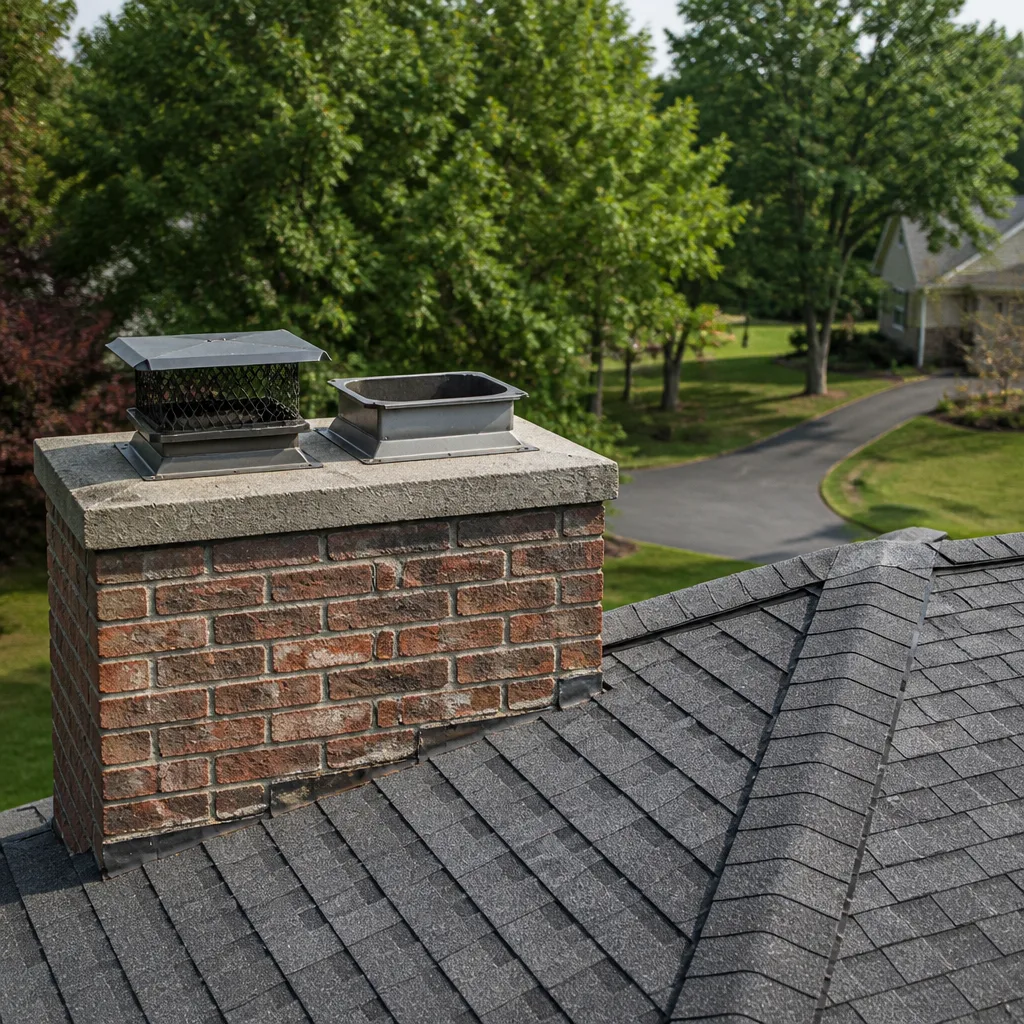
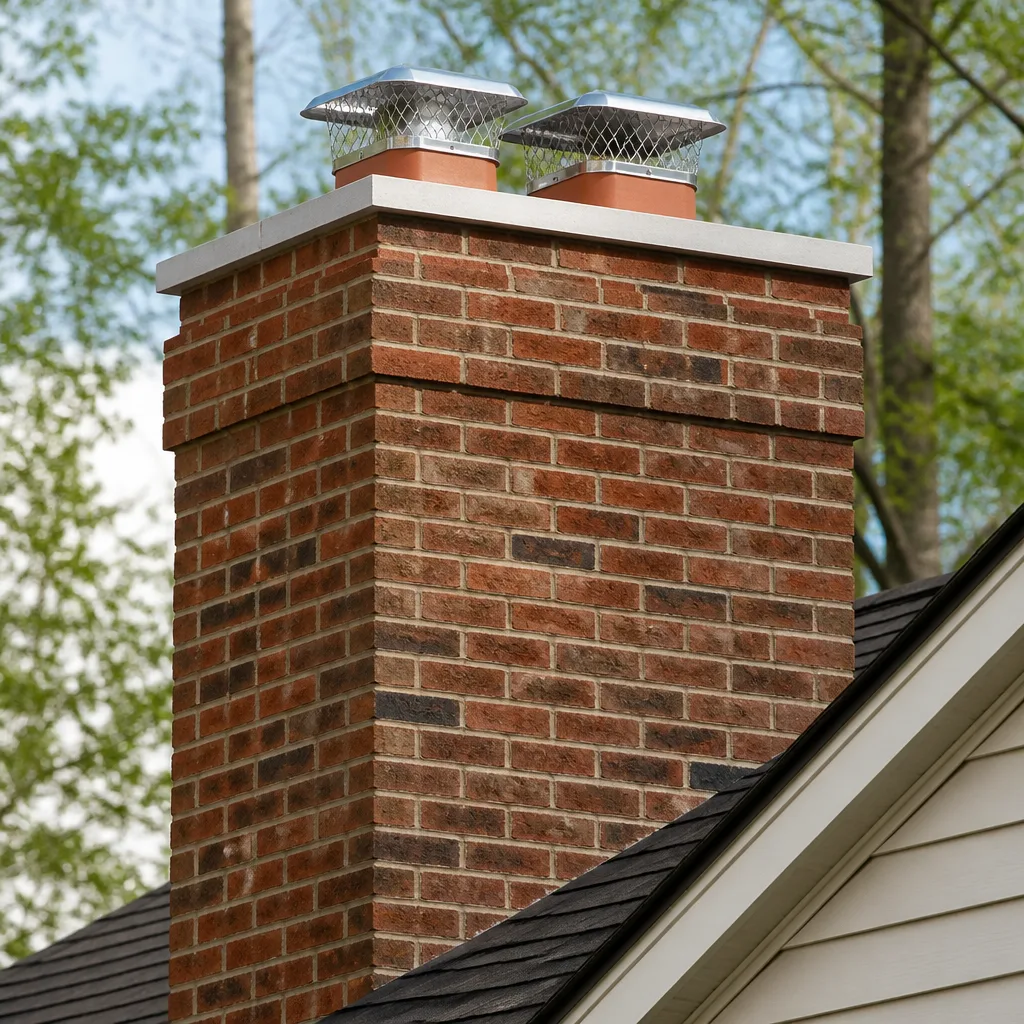
- Cap replacement: usually maintenance. A like-for-like cap swap on an existing chimney generally doesn’t trigger a permit, though a cap that’s part of a larger flue alteration might.
- Crown repair: depends. Small patching of a hairline crack can be maintenance. Rebuilding a failed crown is structural work and often needs a permit.
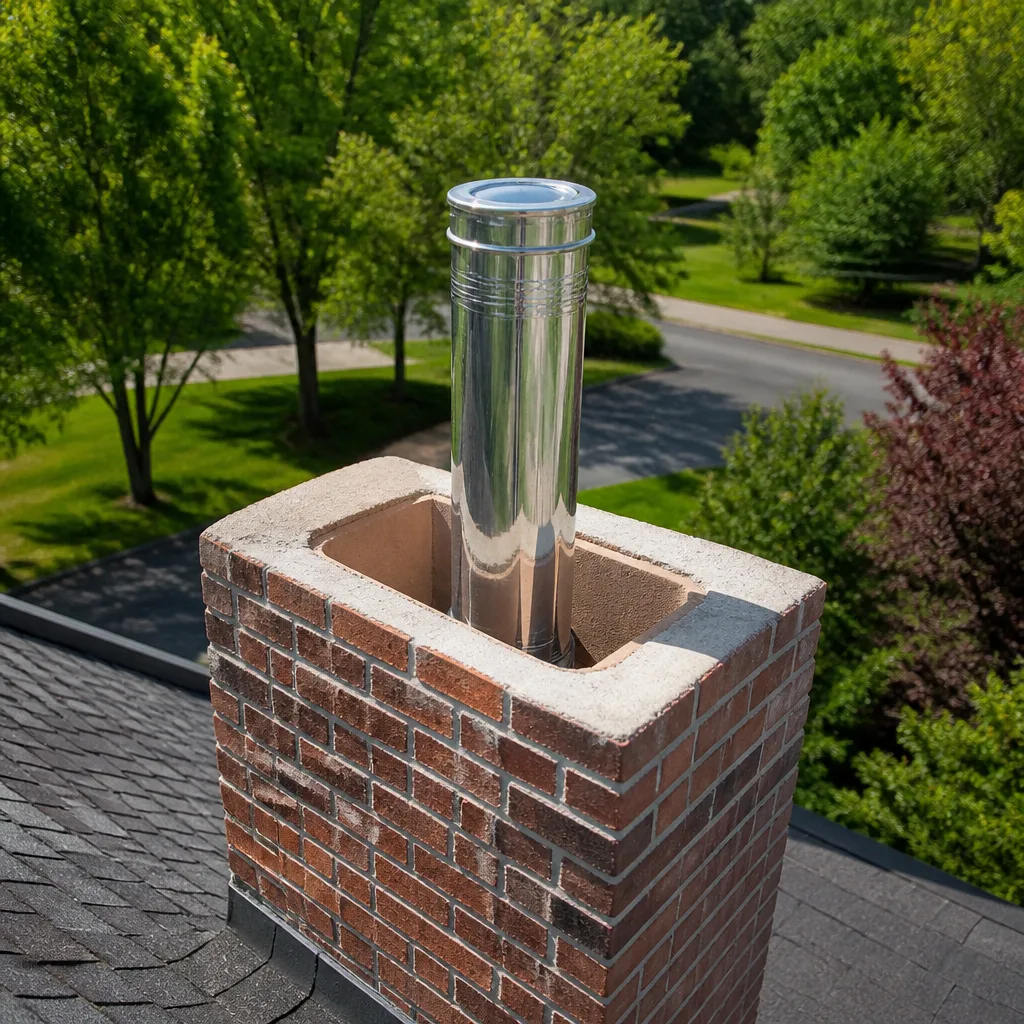
- Chimney relining: alteration. Permit required. Installing a new liner, whether stainless or cast-in-place, changes the flue and is governed by the building code.
- Fireplace rebuild or firebox repair: alteration. Permit required for anything beyond cosmetic repair. Our fireplace repair work in East Boston routinely involves this category.
- Appliance changeout (gas insert, oil-to-gas conversion): alteration. Permit required, and the inspector will want to see the new venting verified.
The trap most homeowners fall into is a contractor who does relining or crown rebuilding without pulling a permit, or who tells you it “isn’t needed for a repair.” In our experience, the work that most often skips permitting is the work that most needs inspection: relining and crown reconstruction. Those are exactly the items an insurance adjuster and a buyer’s inspector will look at first.
One more thing worth knowing: Boston’s local amendments add a layer on top of the state code, and we cover those next. If you’re ever unsure whether your specific job needs a permit, the answer is usually a phone call to the city’s building department. They’ll tell you plainly.
How Boston’s local amendments affect chimney work
Massachusetts has a statewide building code, but Boston is one of the cities that amends it locally. For chimney work, the practical effect is tighter requirements around inspection documentation and heating appliance installation. The state sets the baseline; Boston’s amendments make sure the inspector sees the paper trail.
What does that mean in practice? A few things:
- When a heating appliance is installed or replaced, the local amendment tends to require documentation that the venting was inspected and is compatible with the appliance. A gas insert on an unlined or partially deteriorated flue is a common failure point.
- Inspection reports carry more weight when they’re on the record. A licensed inspector or sweep who documents findings with photos and a written report gives the city inspector, the buyer’s inspector and the insurance adjuster the same facts to work from.
- Crown and cap work on older masonry chimneys in East Boston, where the housing stock runs old, is scrutinized more closely because the amendments treat the chimney as part of the building envelope, not a cosmetic feature.
If you’re replacing a heating appliance or relining a flue, we recommend asking two questions before the work starts: does this job need a permit under the Boston amendments, and will the inspector want to see the existing flue condition documented first? Both questions save headaches later.
The permit fee itself is set by the city and is separate from the cost of the work. Don’t confuse the two. When you get a written estimate from us, the price reflects the actual repair, and the permit is the city’s process on top of that.
What a Level 2 inspection is and when it’s required
A Level 2 inspection is a more thorough check than the visual look that comes with a standard sweep. It uses a camera to look up the flue from the firebox and down from the top, checking the liner for cracks, gaps, offset joints and blockages that a visual inspection can’t reach. It’s the inspection that catches the problems which cause chimney fires and carbon monoxide issues, and it’s the one the code requires in specific situations.
Here’s when a Level 2 inspection is required:
- Before a property changes hands. A buyer or their lender will typically require a documented inspection. This is the real-estate trigger we cover below.
- When a flue liner is replaced or a new appliance is installed. Relining is an alteration, and the code expects the new liner to be inspected and documented.
- After a chimney fire or other major event. Any event that could have damaged the flue requires a Level 2 inspection before the chimney is used again.
- After an earthquake or severe structural event that could have shifted the chimney or cracked the liner.
- When the fuel type changes. Converting an oil flue to gas, or adding a gas insert to a wood-burning flue, changes the venting demands and triggers a Level 2 inspection.
The difference between a Level 2 and a standard sweep matters for East Boston homeowners in older triple-deckers and two-families, where chimneys have often been patched, relined or converted more than once over the decades. A camera inspection is what tells you whether the previous work held up. If you’re ever unsure which service you need, our Chimney Sweep East Boston team can walk you through the difference between a sweep and an inspection and tell you which applies to your situation.
In our experience, the homeowners who end up spending the most are the ones who skip the Level 2 inspection and discover the liner problem during a home sale or after a claim. The inspection is cheaper than the discovery.
The real-estate transaction trigger: when buyers and lenders require a chimney inspection report
Here’s where chimney code compliance stops being abstract and starts showing up in dollars at closing. When a house in East Boston goes under agreement, the buyer’s home inspector will look at the chimney and fireplace. If anything looks off, the buyer’s attorney or lender will often request a Level 2 inspection report before the loan closes. A missing or unclear report can slow the deal or push the buyer to negotiate.
What triggers a request for documentation:
- A home inspection flags a cracked crown, missing cap, deteriorated mortar joints or a flue that’s visibly damaged.
- The buyer’s lender requires proof that the heating appliance is properly vented, especially if the appliance was recently replaced.
- The seller discloses prior chimney work, and the buyer wants to confirm it was done to code.
- The property has a wood-burning fireplace or stove, which many insurers treat as a risk factor and inspect for.
If you’re selling an East Boston property, having a Level 2 inspection report in hand before you list removes this entire source of friction. If you’re buying, the report is leverage. It tells you exactly what the chimney needs, and it’s the difference between a negotiation based on a guess and one based on a camera inspection. We offer chimney inspections as a standalone service for exactly this reason, and you can see what that involves through our inspection service. For a buyer, the report also lets you hire the same crew to fix what it finds, which keeps the work documented start to finish.
The thing to remember: a sweep is not an inspection, and an inspection report from a licensed, insured sweep carries a lot more weight in a real-estate transaction than a verbal “it looks fine” from whoever the seller used.
How to document chimney work properly so it doesn’t become a problem during a home sale or claim
Documentation is the difference between a repair that holds up at resale and one that costs you twice. An insurance adjuster, a buyer’s inspector and a city building inspector all want the same four things: what was the condition before, what was the method, what materials were used, and what was the condition after. If a contractor can’t produce those four, the work is hard to verify.
Here’s the documentation checklist we follow on every job:
- Pre-work photos and a written condition report. These capture the flue as found, before anything is changed. This is the baseline that shows the work was necessary.
- The method and materials, named. “Relined the chimney” is not documentation. “Installed a DuraFlex flexible liner system” is. For resurfacing, “applied HeatShield ceramic resurfacing” is. Trade-grade materials named specifically are easier for inspectors and adjusters to verify.
- Post-work photos and a final report. These show the finished flue and confirm the liner is intact and the venting is correct.
- Permit and inspection records, if applicable. Keep the permit number and the final inspection sign-off with the report. If a job required a permit and you can’t produce the record, that’s the gap that shows up at closing.
- Appliance compatibility note. If a new appliance was installed, note the venting was verified against the appliance’s requirements. This is the item that trips up gas insert installations most often.
We use HeatShield for chimney resurfacing, a ceramic repair system that can extend liner life without a full reliner in certain cases. Where it’s applicable, the resurfacing report is a legitimate alternative to relining, and it’s easier to document as a repair than as a replacement. The point isn’t which method is right for you. The point is the method gets named and the report shows it.
Our technicians have up to 8 years of experience, and the documentation practice has held up through transactions, insurance claims and city inspections. If you want the photo report and written findings that stand up to that scrutiny, that’s what we provide.
East Boston housing stock and why it matters for chimney codes
East Boston’s housing stock is a large part of why chimney code compliance here is more complicated than it is in a lot of Massachusetts towns. The neighborhood is built heavily around older triple-deckers, two-families and single-families that have been heated and re-heated through multiple eras, and the chimneys in those buildings have usually been touched more than once.
What that means for permitting and inspection:
- Triple-deckers often have chimneys that once served multiple oil furnaces and now serve a mix of gas appliances, wood-burning fireplaces and inserts. Venting compatibility varies unit to unit, and the code treats each connection individually.
- Chimneys in older East Boston buildings frequently have been relined at some point with a product that’s no longer made or whose condition is unknown. A Level 2 camera inspection is the only reliable way to confirm whether the existing liner is intact.
- Crowns and caps on these older chimneys are the most common repair item. Crown reconstruction is structural work under the code and generally needs a permit, while a like-for-like cap replacement on an existing chimney usually doesn’t.
- Chimney orientation and wind exposure matter in East Boston’s dense blocks. Cap selection is a real technical choice, and this is where we use Gelco and Famco caps for draft compatibility and weather performance, not because of coverage alone. You can read more about that through our chimney cap & crown page.
If you’re working on a property near Maverick Square, Eagle Hill, Orient Heights or Jeffries Point, assume the chimney has a history. That history is worth documenting before any alteration, and it’s worth having a camera look at before any repair. If you’re not sure whether a specific repair needs a permit, the safest move is to describe it to the building department and get a clear answer.
The three inspection levels, side by side
The industry recognizes three levels of chimney inspection, and knowing which one you need prevents overpaying for a service you don’t need or skipping one the code requires.
- Level 1: a visual inspection of readily accessible portions of the chimney, flue and firebox, typically performed during a routine sweep. No tools beyond a flashlight and basic camera are required. Appropriate for maintenance, not for transactions or alterations.
- Level 2: a camera-based inspection of the full flue, including areas not visible to a Level 1 inspection. Required before a property changes hands, after a chimney fire or major event, when a liner is replaced, and when the appliance or fuel type changes. This is the level most East Boston homeowners need when buying or selling.
- Level 3: a more invasive inspection required when a Level 2 reveals a serious problem that requires opening concealed areas of the chimney or building to investigate. Rare, and usually tied to a specific hazard the Level 2 identified.
If you’re calling for a routine sweep, you likely only need a Level 1. If you’re in a real-estate transaction or planning a reline, the code expects a Level 2. If a Level 2 uncovers something structural, the conversation moves to Level 3 and to the repair plan. Our team handles all three inspection levels and documents each one so the findings survive a transaction or a claim.
What the permit process actually looks like
The permit process for chimney work in East Boston is straightforward once you know the order of operations. The friction is mostly in the sequencing, not in the paperwork.
- Get the inspection first. Before any permit application, you need a documented inspection confirming what the job is. This is what tells you whether the job is maintenance, a permit-required alteration, or something bigger.
- Get a written scope of work. The permit application needs a description of the work and the materials. This is where named materials matter. Our estimates specify DuraFlex liner systems, HeatShield resurfacing, Gelco and Famco caps, and the Olympia Chimney and Copperfield components we use, so the scope is unambiguous.
- Apply for the permit if the work requires it. Your contractor or you can apply, depending on how the job is set up. The building department reviews and issues the permit.
- Do the work. Structural repairs, relining and crown reconstruction are done under the permit. Routine maintenance proceeds without one.
- Final inspection and sign-off. The building inspector confirms the work matches the scope. Keep the sign-off with your documentation.
- File the documentation. Photos, reports, the permit number and the final inspection all go together. This is what makes the repair verifiable at resale or claim time.
What surprises homeowners most is step one, the inspection. The permit process doesn’t start with a form. It starts with a camera looking at the flue. If you haven’t had a Level 2 inspection at your East Boston property in the last few years, that’s the first call worth making, whether or not you intend to do any work yet.
Common Mistakes to Avoid
- Skipping the permit on relining work. A reline is an alteration under the state code, and doing it without a permit creates a real problem at resale. The buyer’s inspector will ask, and “we didn’t think a permit was needed” is a hard answer to give.
- Confusing a sweep with an inspection. A sweep cleans the flue. An inspection checks its condition. If you’re in a real-estate transaction or a new appliance was installed, you need the inspection, and a sweep alone won’t satisfy the code or the lender.
- Letting a contractor choose the liner without naming it. Trade-grade materials like DuraFlex and HeatShield are specifically formulated for the job; generic substitutes are not interchangeable. Ask for the material name in the written estimate before the work starts.
- Ignoring the existing liner on an older East Boston chimney. Older triple-deckers and two-families often have relining jobs from years back that no one has verified since. A camera inspection is what tells you whether that earlier work is still sound.
- Using a Level 1 inspection in place of a Level 2 for a transaction. A visual look won’t satisfy a buyer’s lender or a seller’s disclosure obligation. Match the inspection level to the situation, not the price.
- Failing to keep the photo report and permit sign-off. The documentation is what makes the repair verifiable later. If it isn’t on file, it isn’t a repair you can prove.
- Hiring a cap installer who isn’t thinking about draft. Gelco and Famco caps are chosen for draft compatibility and weather performance, not just coverage, and a poorly matched cap can defeat the whole chimney’s function.
See the difference
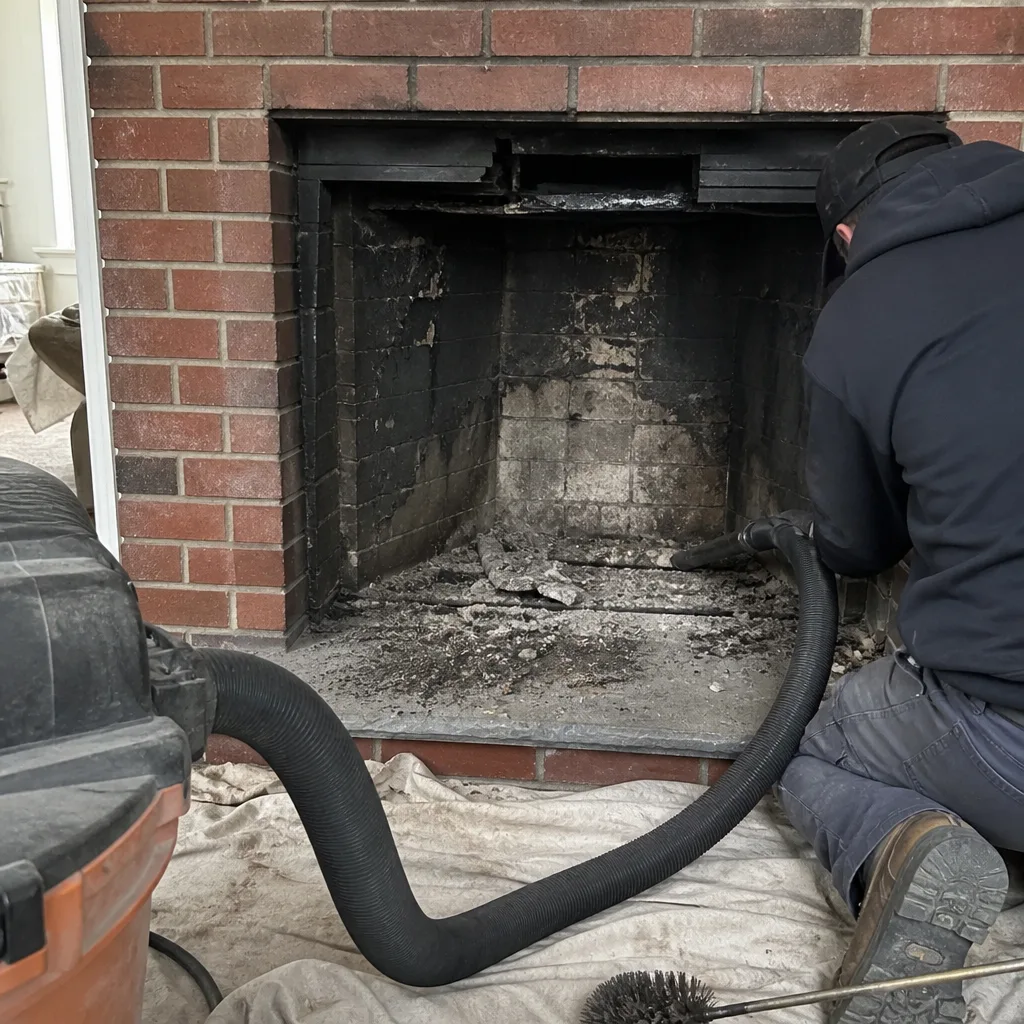 Before
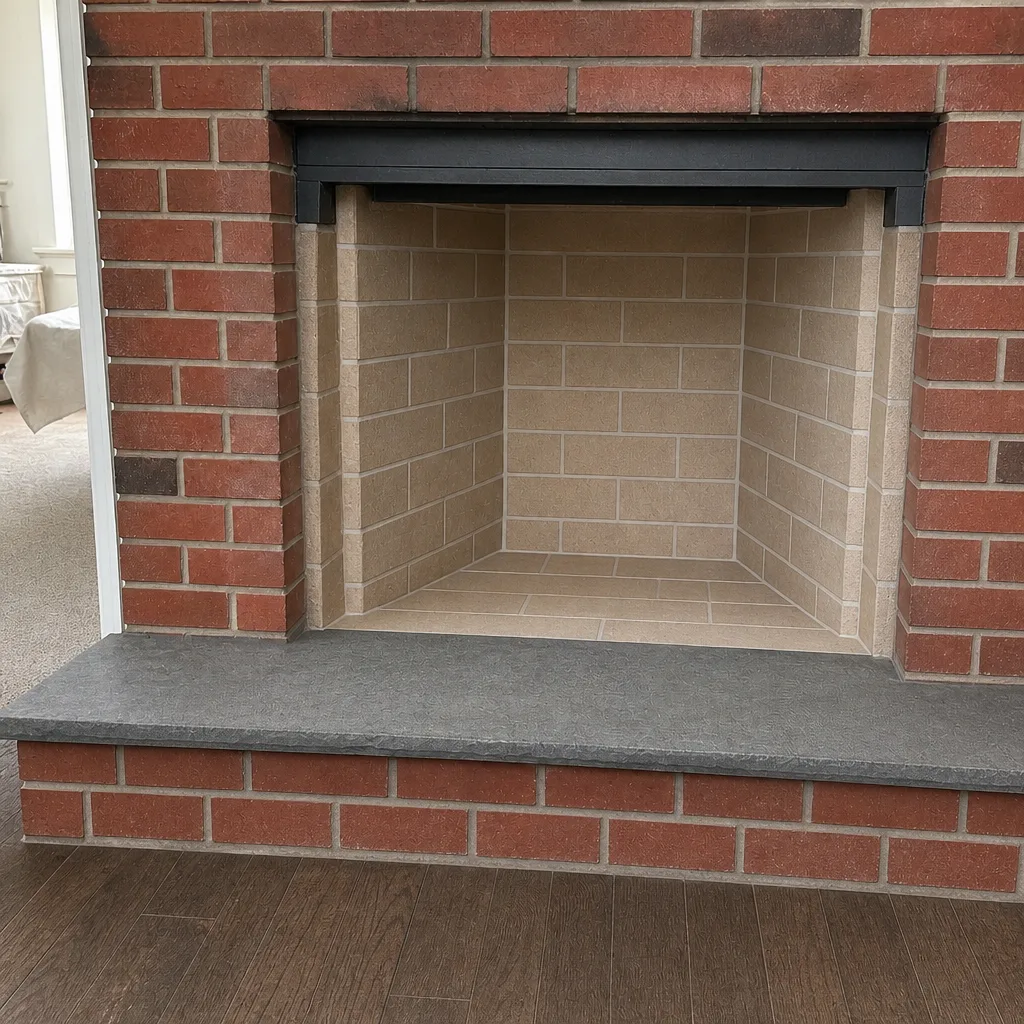 After
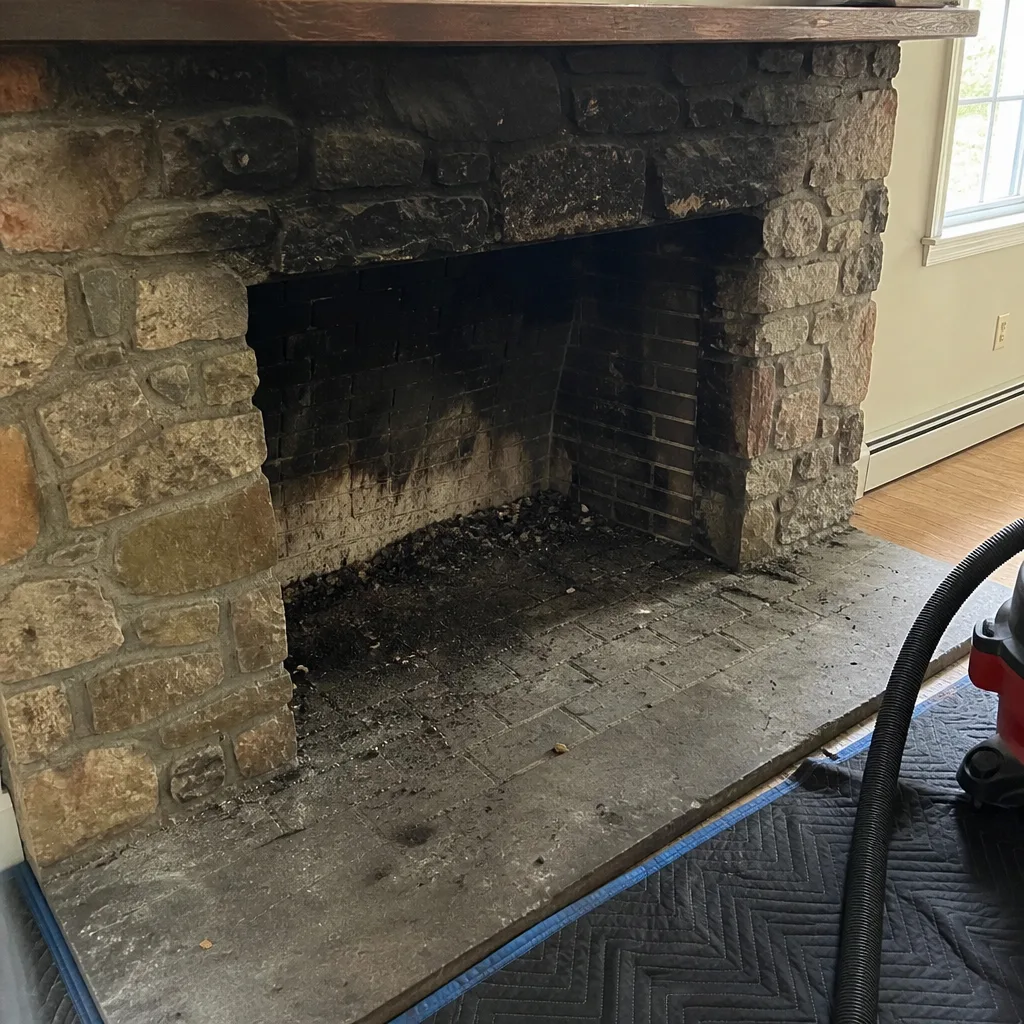 Before
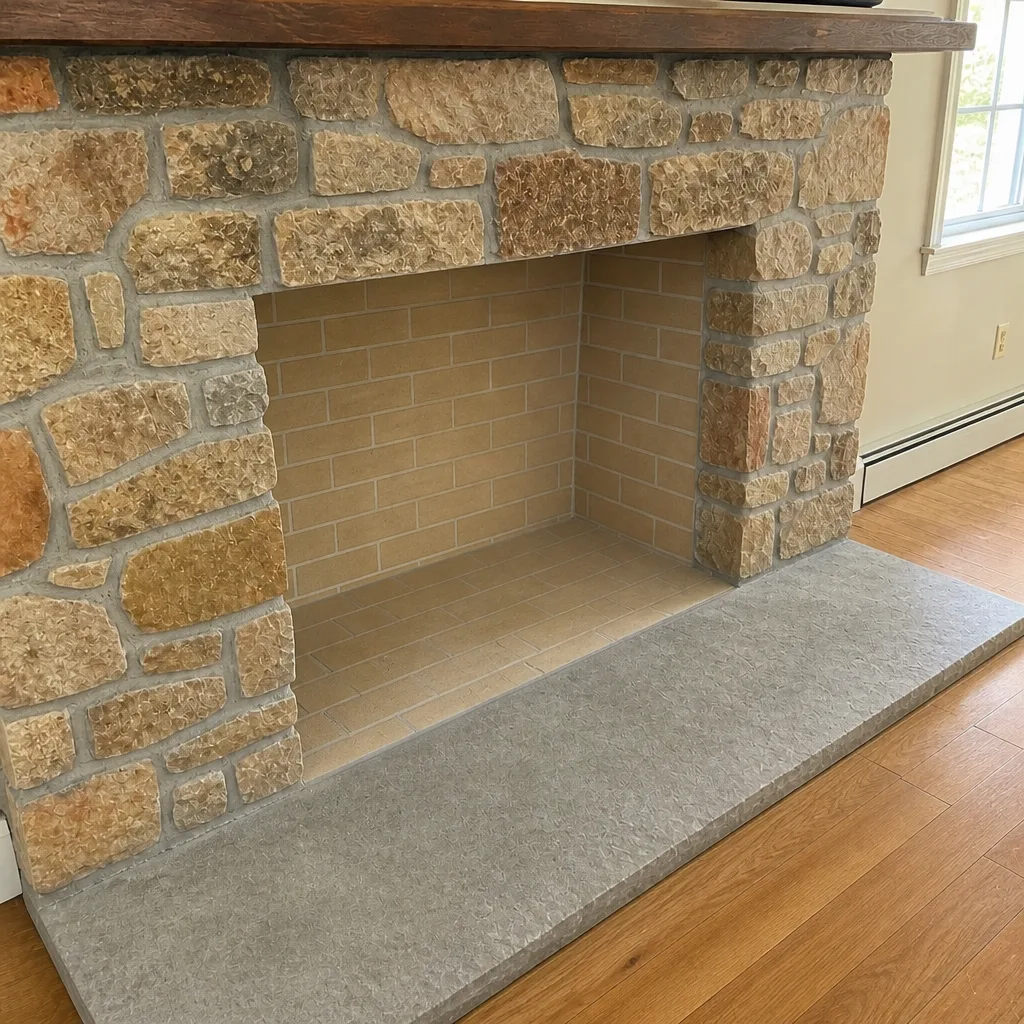 After
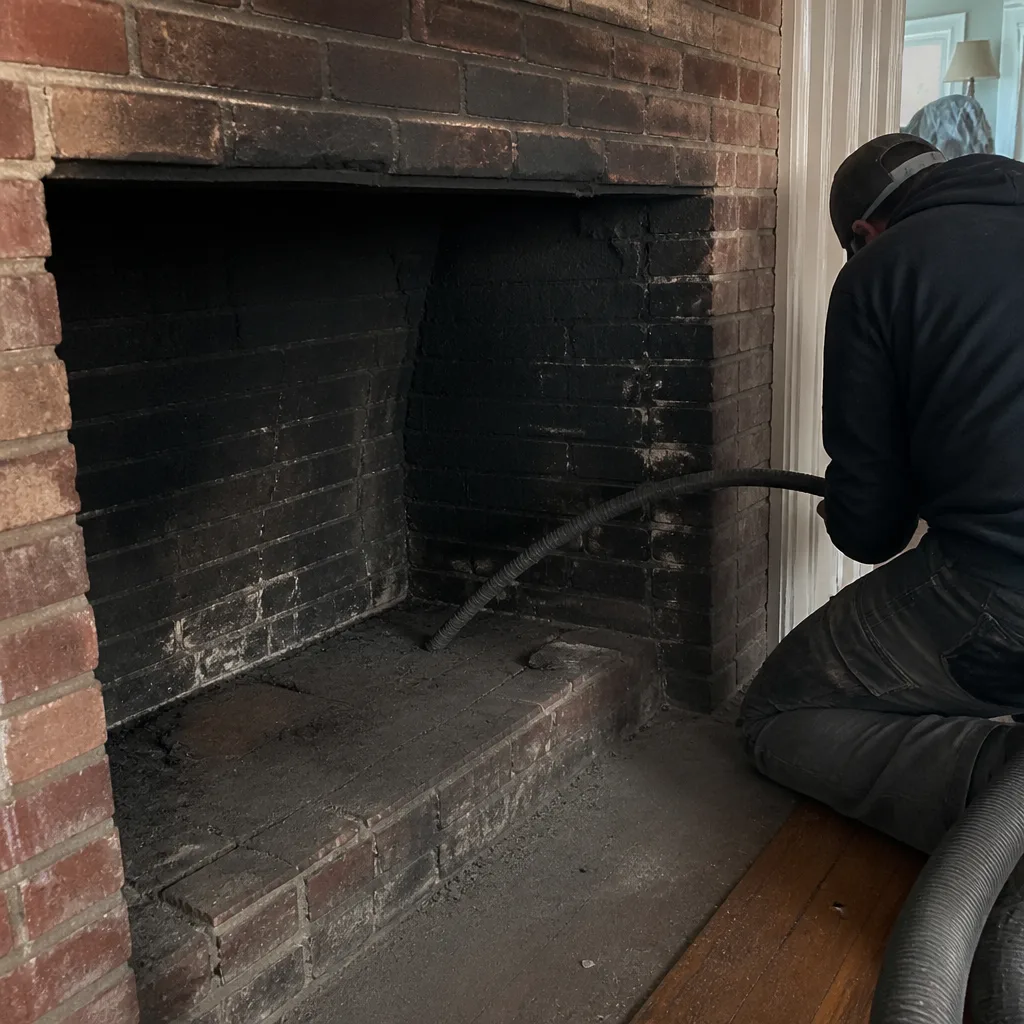 Before
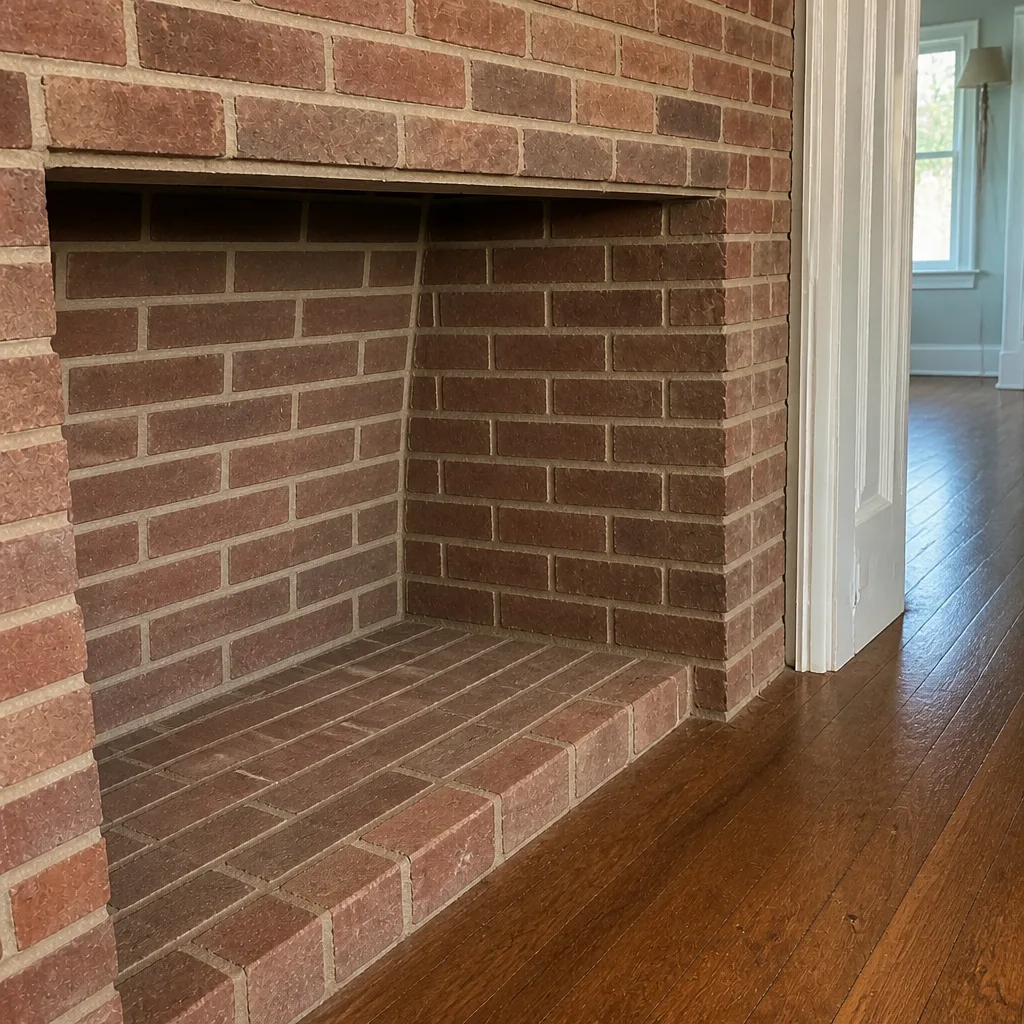 After
When to Call a Professional
Call us if any of the following applies to your East Boston property. You’re in a real-estate transaction and need a Level 2 inspection report before closing. You’re installing or replacing a heating appliance and want the venting verified against the appliance’s requirements. You saw a crack in your crown, a missing cap or deteriorated mortar joints and want an honest read on whether it’s maintenance or a permit-required repair. Your chimney has been relined in the past and you don’t know the condition of that liner. Or you just want the flue checked before you use it again.
Chimney Sweep East Boston offers free estimates in East Boston. We’ll run a camera inspection, tell you what the code actually requires for your specific job, and give you a written scope with the materials named. Call (888) 898-1071. We answer 24/7. Fast dispatch from 7am to 7pm, Sunday through Friday.
Frequently Asked Questions
No. A routine chimney sweep is maintenance and doesn’t require a permit in East Boston or anywhere in Massachusetts. You only need a permit when the work alters the flue, changes the appliance venting, or rebuilds the crown or structure. Call (888) 898-1071 and we’ll tell you which category your job falls into for free.
Relining, crown reconstruction, fireplace rebuilds, firebox repairs that go beyond cosmetic patching, and any installation or replacement of a heating appliance all typically require a permit under the Massachusetts State Building Code. A like-for-like cap replacement and routine sweeping generally don’t. Call (888) 898-1071 for an exact quote on your job, and we’ll spell out the permitting requirement.
A Level 2 inspection is required before a property changes hands, after a chimney fire or major structural event, when a flue liner is replaced, and when a new appliance or fuel type is installed. A routine sweep only requires a Level 1. If you’re selling or buying in East Boston, a Level 2 is what your buyers or lender will ask for. Call (888) 898-1071 for a free inspection estimate.
The work doesn’t disappear, but it becomes hard to verify at resale, and your insurance coverage for any subsequent fire or loss tied to that work becomes a question mark. The fix is usually a retroactive inspection, documentation and permit if the work is still accessible for inspection. If you’re selling and the prior work lacks records, we recommend a Level 2 inspection before listing. Call (888) 898-1071 to get that done.
No for anything requiring a permit, and no for anything involving the flue liner, crown, or appliance venting, because those are the parts the code treats as alterations and the parts where mistakes create carbon monoxide and fire risk. Sweeping and visual checks are the homeowner-safe items, and even those should be documented if you’re in a transaction. For anything beyond a sweep, call (888) 898-1071.
Pricing in East Boston varies with the job, so we set prices per job by written estimate and the estimate is free. A routine sweep and a Level 2 camera inspection are not the same service and aren’t priced the same. Call (888) 898-1071 for an exact quote. Estimates are free.
The Bottom Line
In East Boston, the chimney code questions that matter most are the ones homeowners don’t ask until a transaction or a claim forces them: which work needs a permit, which inspection level applies, and how do I prove the work was done right. The answer is always the same four items: a documented inspection before the work, a permit where the code requires one, named trade-grade materials in the written scope, and photos plus a signed-off report at the end. Routine maintenance is safe to skip the permitting on. Relining, crown reconstruction and appliance changes are not. When you’re unsure, the inspection comes before the conversation.
Written by the team at Chimney Sweep East Boston.