
Last updated November 25, 2026
 Sweep & inspection
 Caps & crowns
 Flue relining
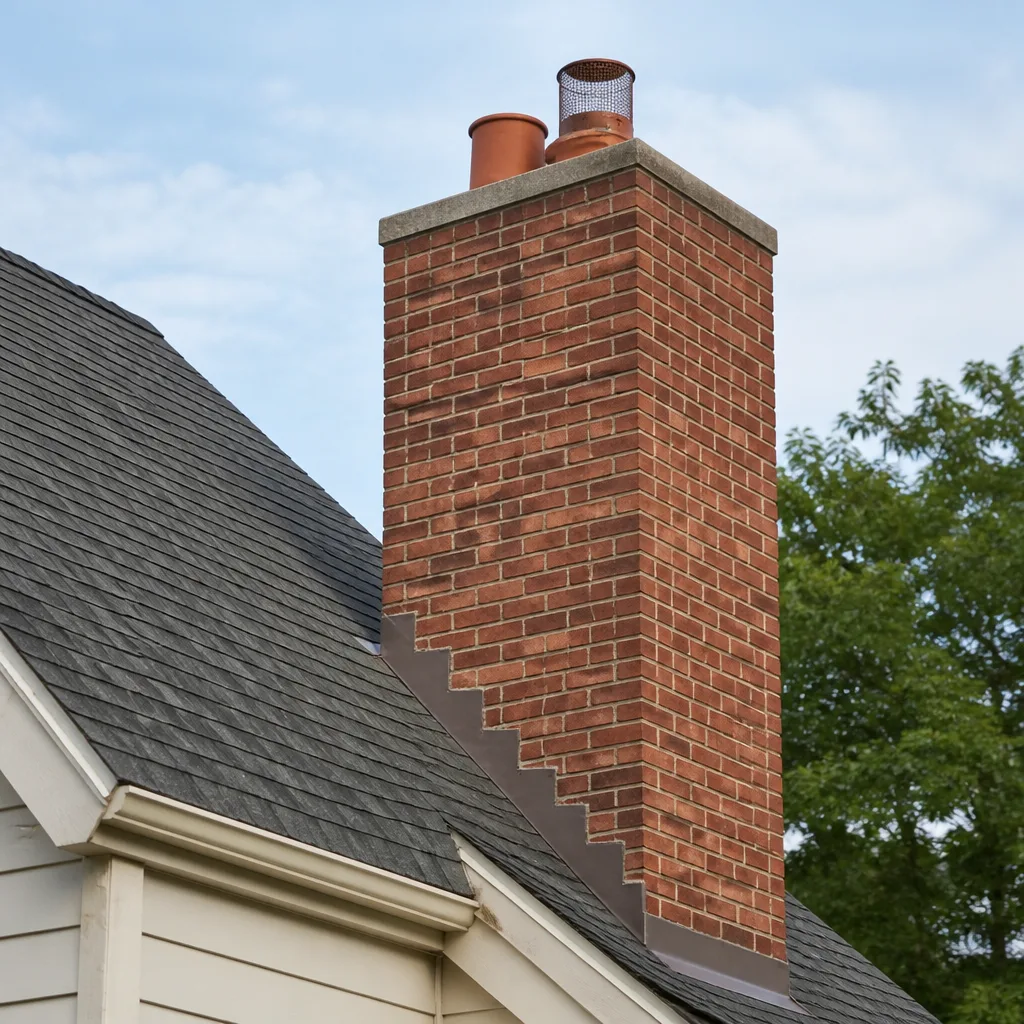 Masonry repair
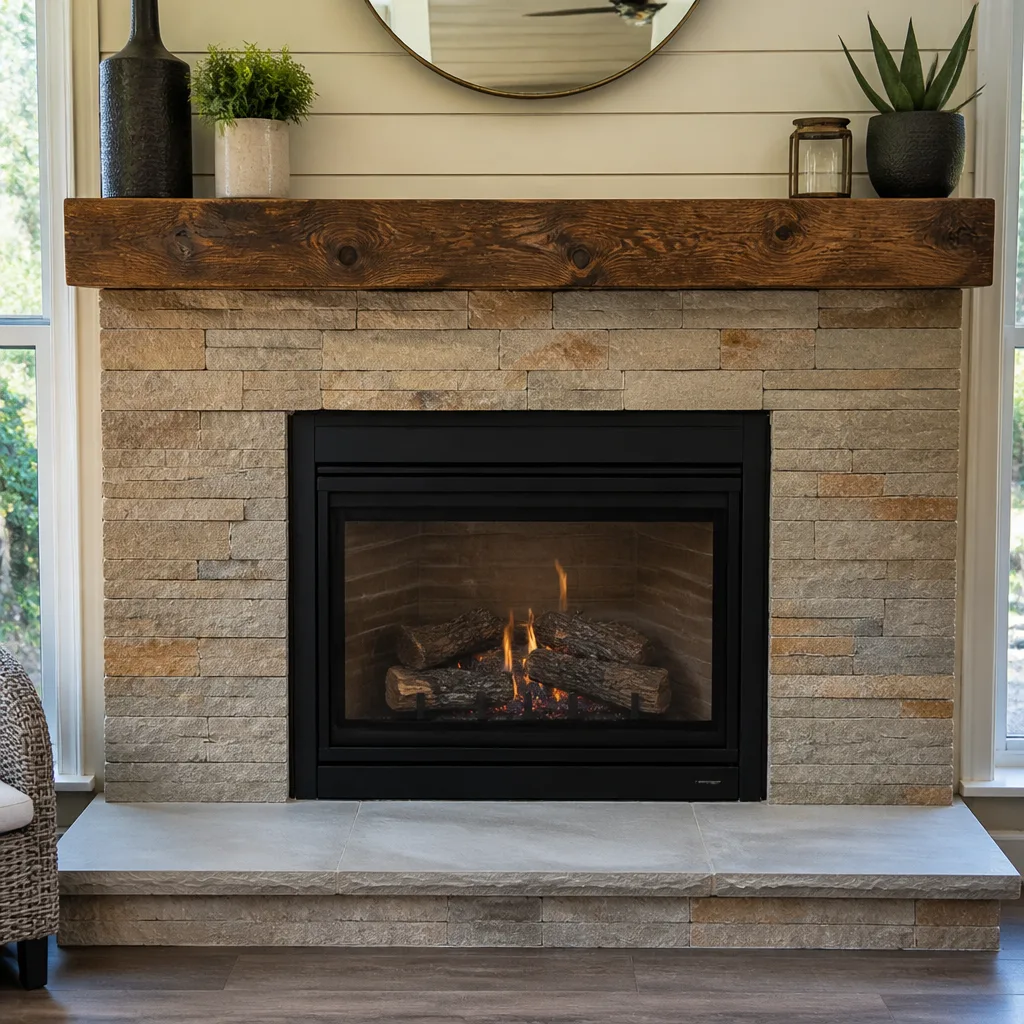 Gas fireplace service
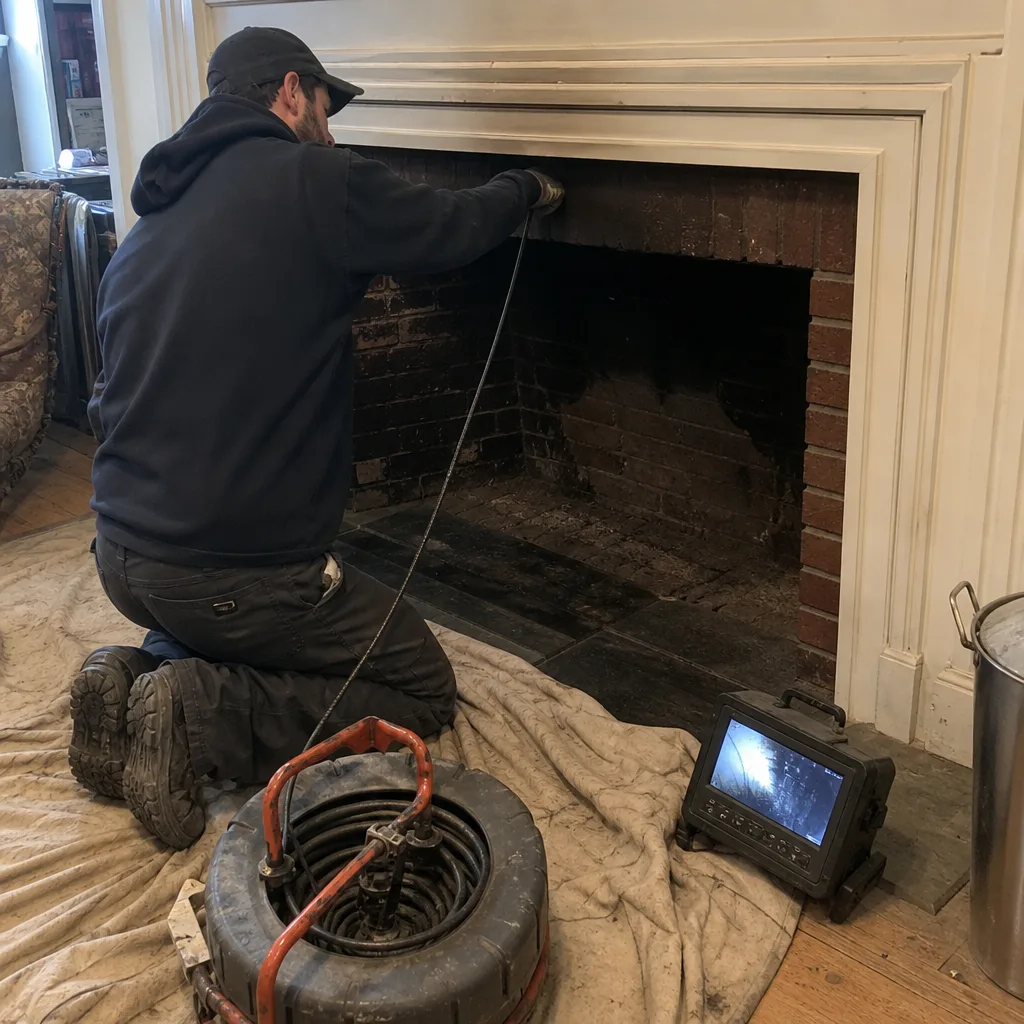
Level 1 sweep and inspection to the NFPA 211 annual standard - flue, crown, cap, and flashing checked and photographed
Chimney sweep logs do not sweep chimneys. They loosen some creosote - which then falls where a brush and vacuum still have to collect it.
How to Hire a Chimney Cleaning Contractor in East Boston: A Step-by-Step Guide
A five-star review tells you the homeowner was happy. It doesn’t tell you whether the technician recognized a Stage 2 creosote buildup or swept right past it. That gap between “the customer liked them” and “the person actually knew what they were looking at” is where most chimney hiring decisions go wrong, and it matters more in East Boston than most people realize. This guide walks you through the questions to ask, the certifications to verify, the quote language to decode, and the red flags that separate a trained sweep from a general handyman with a brush set. You’ll finish knowing exactly how to tell real technical depth from good marketing.
Quick Answer
Hiring a chimney cleaning contractor in East Boston comes down to verifying technical depth, not just reputation: confirm the technician can explain what they’ll inspect beyond the flue, ask how they handle liner assessment and creosote staging, and be skeptical of any quote built around “basic sweep” language with no written scope. A contractor who handles sweeping, repairs, and inspections as one connected service is structurally better positioned for East Boston’s older homes than one who only sweeps.
Styles & brands we work with
- Sweep & inspection
- Caps & crowns
- Flue relining
- Masonry repair
- Gas fireplace service
Table of Contents
- Why Hiring a Chimney Contractor in East Boston Is Different
- The Questions That Separate a Trained Sweep From a General Handyman
- What CSIA Certification Actually Covers (And What It Doesn’t)
- Decoding Quote Language: What “Basic Sweep” Is Usually Hiding
- Evaluating Experience With East Boston’s Older Liner and Flue Configurations
- Why the Inspection Matters More Than the Sweep
- Why One Contractor for Sweeps, Repairs, and Inspections Wins
- The Hiring Process, Step by Step
Why Hiring a Chimney Contractor in East Boston Is Different
East Boston’s housing stock is old, tightly packed, and varied in ways that most chimney contractors outside the neighborhood don’t fully appreciate. The triple-deckers, the converted multifamily buildings, the older single-families near the water and up the hill: they were built across a span of decades when flue construction practices, liner materials, and fireplace configurations changed repeatedly. A technician who mostly works newer suburban construction may have never seen some of the liner setups common in East Boston.
That matters because chimney work isn’t cosmetic. It touches three things at once: structural masonry, the liner system that carries combustion gases, and fire code compliance. When you hire a sweep, you’re not just hiring someone to remove soot. You’re hiring someone who should be able to look at an aging flue and tell you whether the tile liner has cracked, whether the crown has failed, whether the firebox has spalled, and whether what they’re seeing meets current requirements. Those are three different skill sets, and not every contractor who owns a brush has all three.
East Boston also has a mix of fuel types. Wood-burning fireplaces are common, but so are gas inserts installed during various renovation waves, and some buildings still have oil-flue systems. Each fuel type has its own venting considerations and its own inspection priorities. A contractor who treats every chimney as a wood-burning sweep job is going to miss things. We name the materials we use and why because it’s the fastest way for a homeowner to judge whether a technician understands the difference.
Here’s the practical takeaway: in a neighborhood like East Boston, the right question isn’t “who’s the cheapest sweep?” It’s “who can diagnose the whole system?” That’s a different hire, and the rest of this guide shows you how to identify one.
The Questions That Separate a Trained Sweep From a General Handyman
The fastest way to tell the difference between a trained chimney technician and a general handyman with a brush set is to ask questions that require specific technical answers. A trained sweep will answer in terms of materials, methods, and staging. A generalist will answer in reassurances. The reassurances sound nicer. The specifics tell you more.
Ask these questions before you book:
- “What do you inspect beyond the flue itself?” A trained technician will mention the firebox, damper, smoke chamber, crown, cap, and the exterior masonry. A generalist will say “the chimney.”
- “How do you assess creosote, and do you stage it?” Creosote builds up in recognizable stages, and the difference between a light glaze and a hardened, tar-like deposit changes the whole job. A sweep who doesn’t stage creosote is a sweep who can’t tell you what they found.
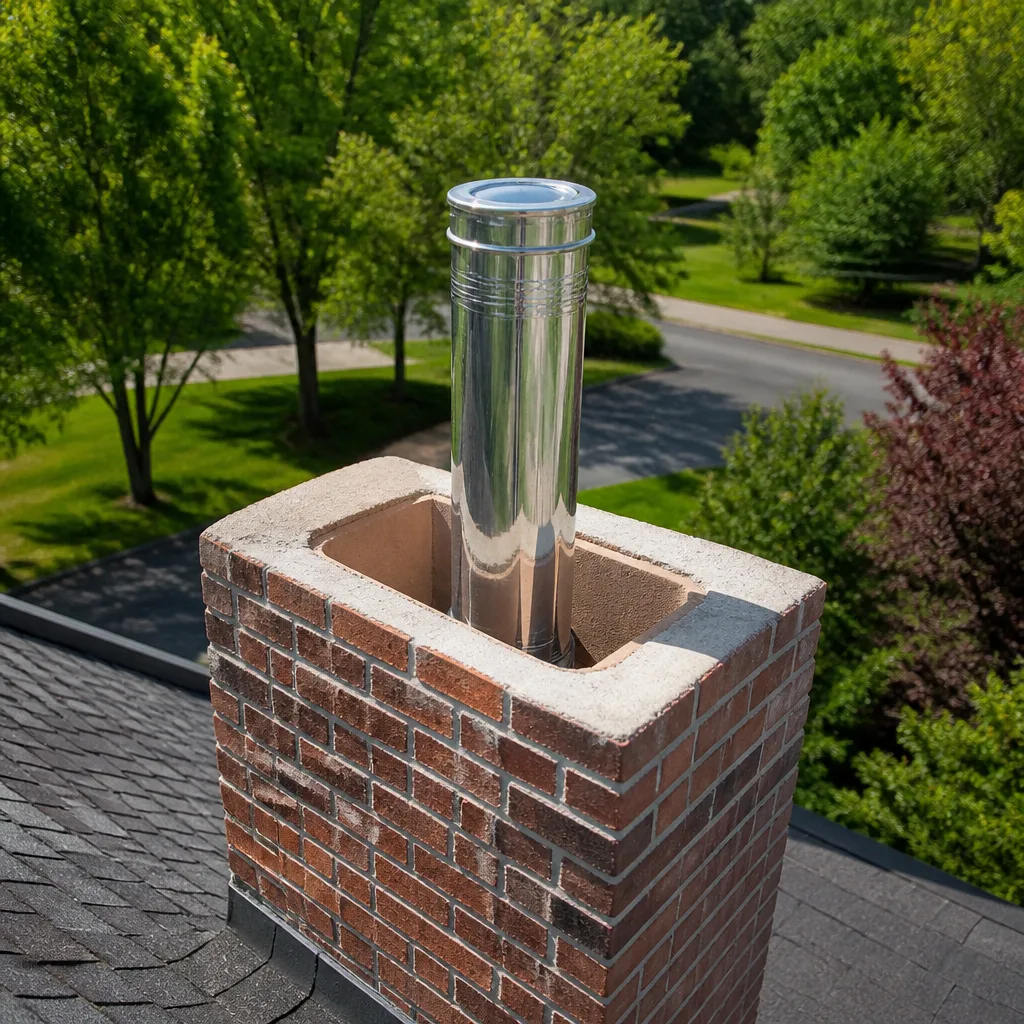
- “What liner material do you work with, and why?” Listen for specific product names and reasons. Someone who installs flexible liner systems like DuraFlex, for example, should be able to explain when flexible relining suits an aging masonry flue and when it doesn’t.
- “What does your written scope include?” The answer should be a document, not a sentence. A written scope tells you exactly what will be swept, what will be inspected, and what will be reported.
- “Can you show me photos or video of what you find?” A camera inspection with a photo report isn’t a premium add-on. It’s how a professional documents a diagnosis you can verify yourself.
- “If you find a problem, can you fix it, or do I need another contractor?” This is the question most homeowners forget to ask, and it’s the one that determines how many separate appointments your chimney project actually requires.
You don’t need a technical background to evaluate the answers. You just need to notice when someone gives you specifics versus when someone gives you comfort. Ask the same six questions to two or three contractors and the gap becomes obvious. For a sense of how a full-service chimney sweep in East Boston should describe its scope, the answers should map to sweeping, cap and crown work, fireplace repair, chimney repair, and inspection without a pause.
What CSIA Certification Actually Covers (And What It Doesn’t)
CSIA certification is the credential most often mentioned in chimney hiring advice, and it’s genuinely meaningful, but it’s also widely misunderstood by homeowners who treat it as a blanket guarantee. The CSIA is the Chimney Safety Institute of America, and its certification program tests a technician’s knowledge of chimney and venting system fundamentals, inspection practices, and safety standards. It’s a knowledge credential, and it signals that the technician has been tested on the theory behind the work.
What it doesn’t do is certify every skill a chimney contractor might perform. Certification isn’t a substitute for hands-on masonry experience, and it doesn’t automatically mean the technician has worked on the specific liner configurations common in older East Boston buildings. It also doesn’t cover pricing, warranty practices, or how well the contractor communicates what they find. Those still require judgment on your part.
Massachusetts licensing context matters here too. Chimney work can involve home improvement contracting, and the state has requirements around who can contract for that kind of work and how contracts are written. If a contractor can’t clearly explain their credentials, their standing with the state, and their insurance, that’s a signal. We can’t quote specific license numbers here, but you should always ask, and any legitimate contractor should answer readily.
The right way to use CSIA certification as a hiring filter is this:
- Treat it as a baseline, not a finish line. It tells you the technician studied the fundamentals.
- Ask follow-up questions about specific work: liner installation, crown repair, firebox repair. Certification says nothing about those on its own.
- Verify insurance directly rather than taking a verbal assurance. Ask for a certificate.
- Pair certification with a written scope and a camera inspection report. The credential plus the documentation is what gives you confidence.
In East Boston especially, where old buildings mean old liner and flue configurations, the more useful question is “have you worked on systems like mine?” A certified technician who has spent time in older urban housing stock will answer that question very differently than one who hasn’t.
Decoding Quote Language: What “Basic Sweep” Is Usually Hiding
Low-bid chimney quotes almost always hinge on two words: “basic sweep.” It sounds straightforward, and that’s the problem. A basic sweep quote typically covers one specific task, brushing the flue, and leaves out the work that actually tells you whether the chimney is safe. The low number isn’t necessarily dishonest, but it’s incomplete, and the homeowner usually doesn’t find out until the technician is already on the roof.
When you read a chimney quote, look for these language patterns and what they usually signal:
- “Basic sweep” or “standard cleaning” with no detail. This often means a flue brush and nothing else. No stated inspection, no firebox assessment, no crown and cap check.
- “Inspection available at additional cost.” A sweep that doesn’t include at least a visual inspection leaves you with a clean flue and no diagnosis.
- “Additional work may be needed” with no written scope. This is the line that turns into an on-site upsell. Ask for the written scope before booking, not after.
- No mention of the crown, cap, or damper. These are the components most likely to fail first, and a quote that ignores them isn’t assessing the system.
- No material names anywhere. A contractor who plans to install a liner should be willing to name the system, whether that’s DuraFlex or another professional line, and explain why.
- Vague repair descriptions like “patch the chimney.” Ask what method and what material. Resurfacing a deteriorating tile liner, for example, is a specific process, and a contractor using HeatShield should be able to describe it clearly.
The counter-move is simple. Ask every contractor for a written scope that lists what will be swept, what will be inspected, what will be reported, and what the going rate is for common follow-on repairs. You’ll get honest, specific answers from some, and you’ll get hedging from others. A fair rate for a properly scoped job is higher than a basic sweep price, and that difference buys you an actual diagnosis, which is the whole point.
Evaluating Experience With East Boston’s Older Liner and Flue Configurations
Older homes in East Boston bring liner and flue configurations that reward experience. Clay tile liners from various construction eras, some cracked and some intact. Flues that served oil heat at one point and wood at another. Fireplaces that have been modified during renovations, sometimes well and sometimes not. A contractor who’s only worked on newer construction will approach these systems with assumptions that don’t hold.
You can assess experience without being a chimney expert. Ask a few targeted questions and listen for specific, concrete answers:
- “What types of liner have you seen in East Boston’s older buildings?” A technician with local experience will mention clay tile liners, various flue sizes, and the ways past renovations can affect a flue.
- “How do you decide between relining and resurfacing?” This is the most useful question in the whole guide. A trained contractor knows that a deteriorated tile liner isn’t automatically a full reline. HeatShield chimney resurfacing, for example, is a ceramic repair system designed to extend liner life without full reliner replacement, and it’s a cost-aware option many generalists don’t even know exists.
- “What’s your process for assessing a firebox that’s been modified?” Look for a camera inspection and photo documentation, not a visual glance.
- “Can you tell me whether this system’s venting is appropriate for what it’s currently burning?” Wood, gas, and oil each have different venting needs. If a fireplace was converted to a gas insert, the venting needs to be right for gas.
What you want to hear is a contractor who talks about the system as a system: flue, liner, firebox, crown, cap, and termination all connected. Full-system thinking is what separates a diagnosis from a sweep. The brand names matter here too. If a contractor installs DuraFlex liner systems, they should be able to explain why a flexible liner suits a given flue and when another approach is better. If they use Olympia Chimney or Copperfield components, they should know why. Trade-grade materials, chosen for the job, are different from whatever’s on the shelf at the hardware store.
Why the Inspection Matters More Than the Sweep
Most homeowners think of chimney service as cleaning. The cleaning is necessary, but the inspection is where the real value sits. A sweep removes what’s there. An inspection tells you what’s about to go wrong. In East Boston’s older housing stock, that distinction is the difference between maintaining a chimney and discovering a problem after it’s done damage.
A thorough chimney inspection covers more than most people expect:
- The flue interior, assessed for creosote staging and liner condition, typically with video camera equipment.
- The firebox and damper, checked for cracks, spalling, and proper operation.
- The smoke chamber, which is frequently overlooked and frequently the source of performance problems.
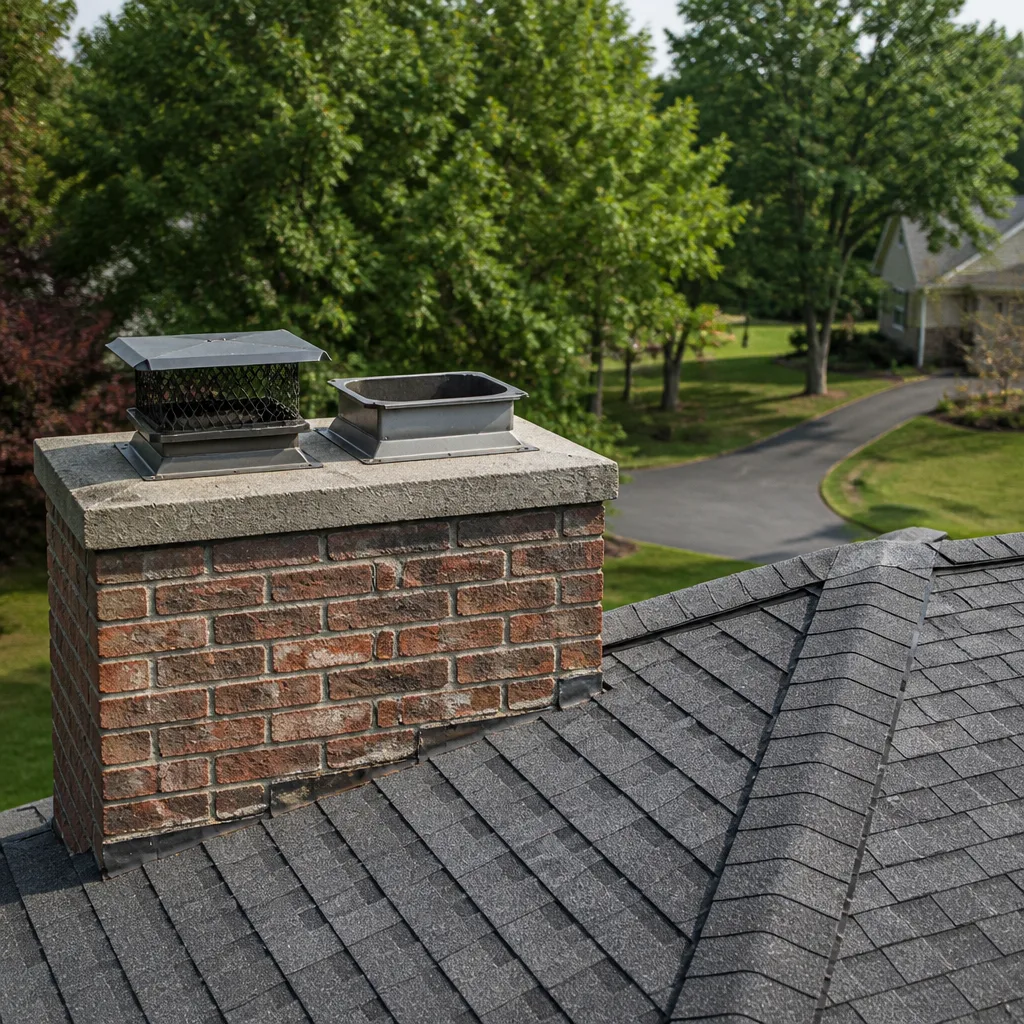
- The crown, the masonry top of the chimney that sheds water away from the flue.
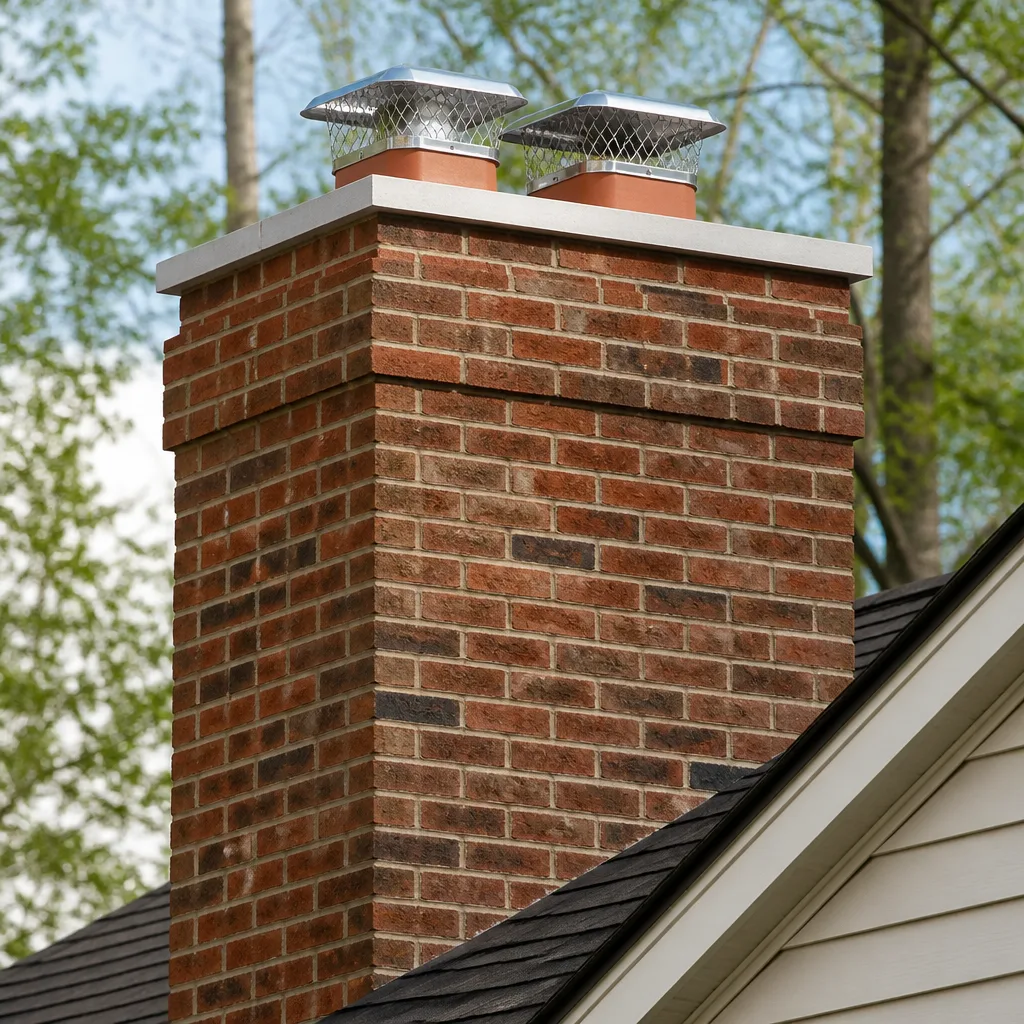
- The cap and its screen, which keep weather, animals, and debris out of the flue.
- The exterior masonry, checked for deterioration, joint failure, and signs of water intrusion.
Get this in writing. A photo report or camera footage isn’t a luxury; it’s how you verify the diagnosis yourself rather than taking it on faith. That’s also how you know when you’re being told a repair is needed and when it can safely wait. A contractor who documents what they find earns the recommendation. One who recommends thousands of dollars of work based on a glance hasn’t.
A chimney inspection is also useful as a standalone service, even without a sweep. If you’re buying a home in East Boston, an inspection before closing tells you what you’re inheriting. If your insurer asks for documentation, an inspection report does that job. If you’re heading into a heating season and haven’t used the chimney recently, an inspection settles whether it’s ready. You can schedule a chimney inspection for any of these reasons without waiting for cleaning.
Why One Contractor for Sweeps, Repairs, and Inspections Wins
Here’s the structural problem with hiring separate contractors for each task: every handoff is a chance for information to get lost. The sweep finds a cracked crown. The roofer or mason comes out later and hears about it secondhand. The inspection report says one thing and the repair scope says another. In older East Boston buildings, where multiple components often need attention at once, those handoffs add up to delay, confusion, and sometimes duplicated cost.
A contractor who handles sweeping, cap and crown work, fireplace repair, and inspection as a single service has the whole picture in view from the start. “One crew, start to finish” isn’t a tagline. It’s a structural advantage on older homes, because the person diagnosing the problem is also the one who’s accountable for fixing it. When you ask “if you find something, can you fix it?” you’re really asking whether the accountability is single-source or split.
What this looks like in practice:
- The sweep and inspection happen in one visit, and the findings get documented together.
- Cap and crown work is treated as a specialty, not an afterthought, using caps like Gelco and Famco that are engineered for draft performance and long-term weather resistance rather than just coverage.
- Fireplace repair gets scoped by the same person who inspected the firebox.
- Liner decisions get made by someone who can both recommend resurfacing and perform a reline if that’s what’s actually needed.
For a homeowner in East Boston with an older building, this is the difference between coordinating three appointments over a season and getting a diagnosis, a plan, and a fix in a manageable sequence. That matters when the goal is a safe, working chimney, not a clean one that hides its problems.
Our technicians have up to 8 years of experience working with the full chimney and fireplace system, and we structure service around single-source accountability. When you’re hiring, look for that structure. Ask how many separate contractors a “sweep plus repair” quote involves, and you’ll see the difference clearly.
The Hiring Process, Step by Step
Here’s the sequence we recommend for vetting a contractor in East Boston. It’s designed to give you a clear yes-or-no answer without requiring technical expertise on your part.
- Start with the questions, not the price. Reach out to two or three contractors and ask the six questions from earlier in this guide before you ask what it costs. How they answer tells you more than their rates do.
- Request a written scope. The scope should detail what will be swept, what will be inspected, whether a camera inspection and photo report are included, and what the inspection will cover. If the scope is one sentence, ask for a better one.
- Verify credentials and insurance directly. Ask about CSIA certification and about their state standing as a contractor. Ask for proof of insurance. Any legitimate contractor will provide it without hesitation.
- Ask specifically about liner assessment. Ask how they decide between resurfacing and relining, and what material systems they use. Listen for specific answers. DuraFlex, HeatShield, and the other professional lines all have specific use cases, and a contractor who uses them should be able to explain why.
- Confirm that follow-on repair is in scope. If the answer is “we’d refer that out,” you’re hiring a sweep, not a chimney contractor. That’s fine for a basic cleaning, but not for a system that needs diagnosis.
- Book the visit and plan for the report. When the technician finishes, you should get more than a receipt. You should get findings in writing, ideally with photos, and a clear distinction between what needs attention now and what can wait.
- Review the report before committing to repairs. This is the part of the process where you have the most leverage. Ask questions. Compare the report findings against the original scope. Any contractor confident in their diagnosis will welcome this.
For homeowners near the older multifamily buildings and side streets throughout East Boston, this process usually takes a week or two and produces much better results than calling the first number that shows up. Take the time. A chimney is not a system you want diagnosed by someone guessing.
Common Mistakes to Avoid
- Choosing the lowest “basic sweep” quote. The low number usually excludes the inspection, the crown check, and the report. You end up with a clean flue and no idea what condition it’s in.
- Not asking about liner stage and condition. Creosote staging and liner cracks are the two findings that matter most, and if you don’t ask, a vague report won’t tell you. In East Boston’s older housing stock, liner condition is often the whole story.
- Assuming CSIA certification covers everything. It covers fundamentals and inspection knowledge, not hands-on masonry or liner installation experience on specific building types. Pair the credential with follow-up questions.
- Hiring a sweep with no repair capability. When the sweep finds a cracked crown or a firebox issue, you’re back to searching for another contractor. Single-source accountability avoids that scramble.
- Accepting a verbal diagnosis with no photos. A camera inspection and photo report give you something to verify. If a contractor won’t document findings, you have no way to judge whether the repair recommendation is real.
- Letting a quote stay vague about materials. If the quote doesn’t name the liner system or the repair method, you can’t compare it to anything. Ask for specifics before signing.
- Ignoring the annual sweep before heating season. In East Boston’s climate, chimney use is concentrated into cold months, and starting the season with unchecked creosote is a risk you don’t need to take.
See the difference
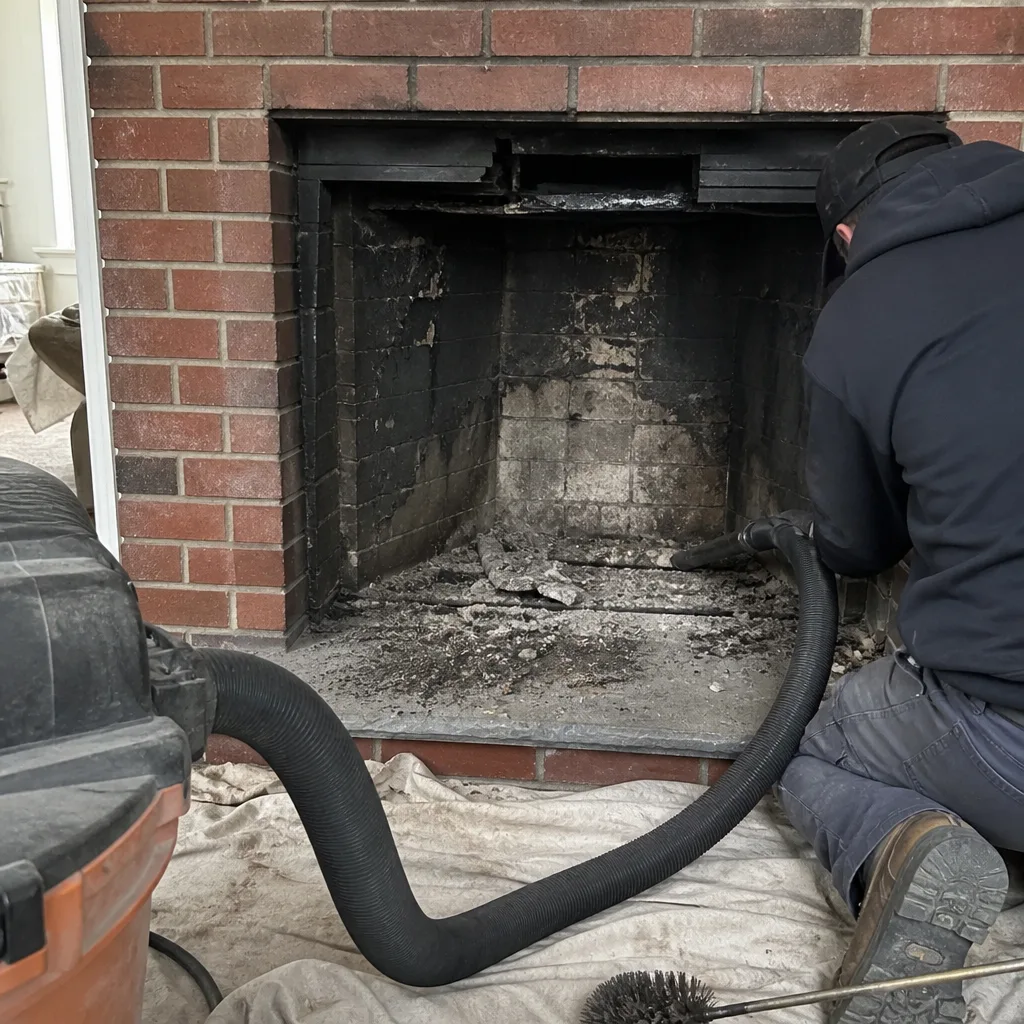 Before
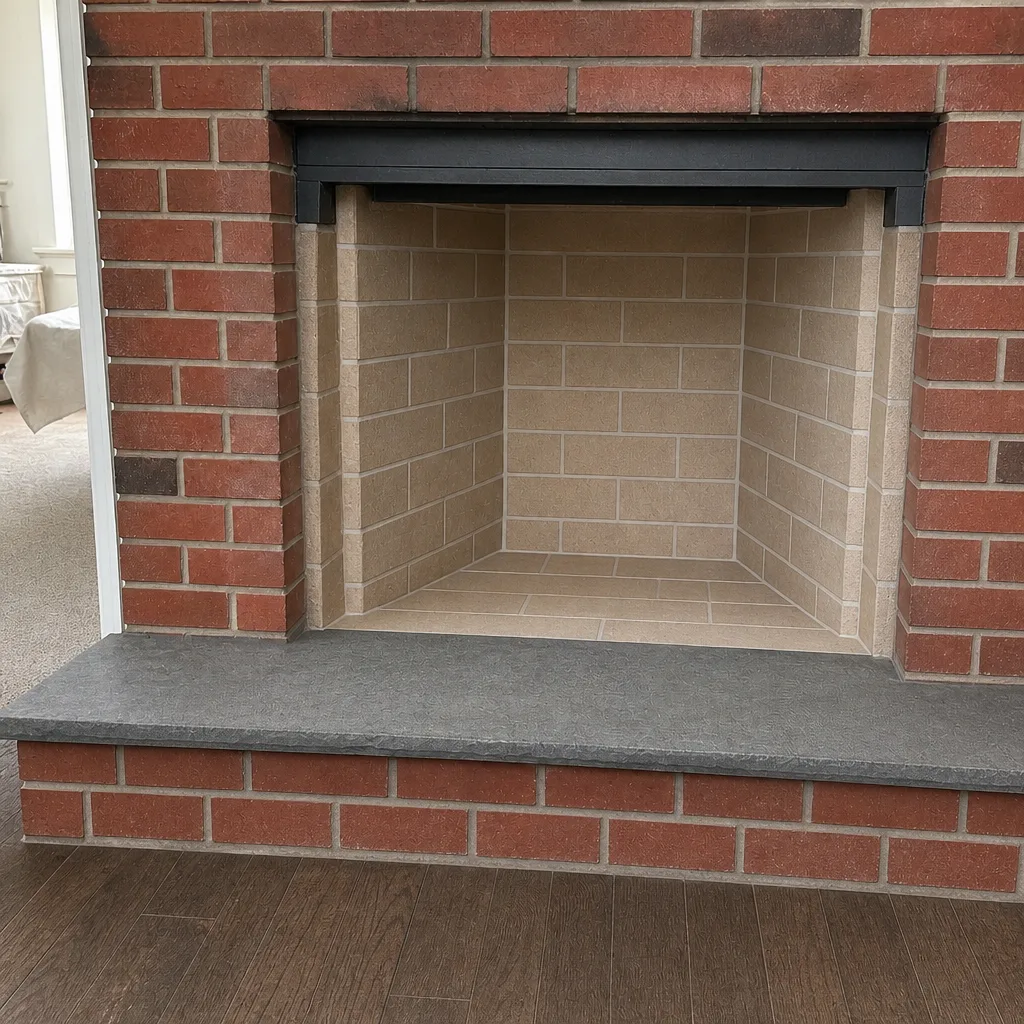 After
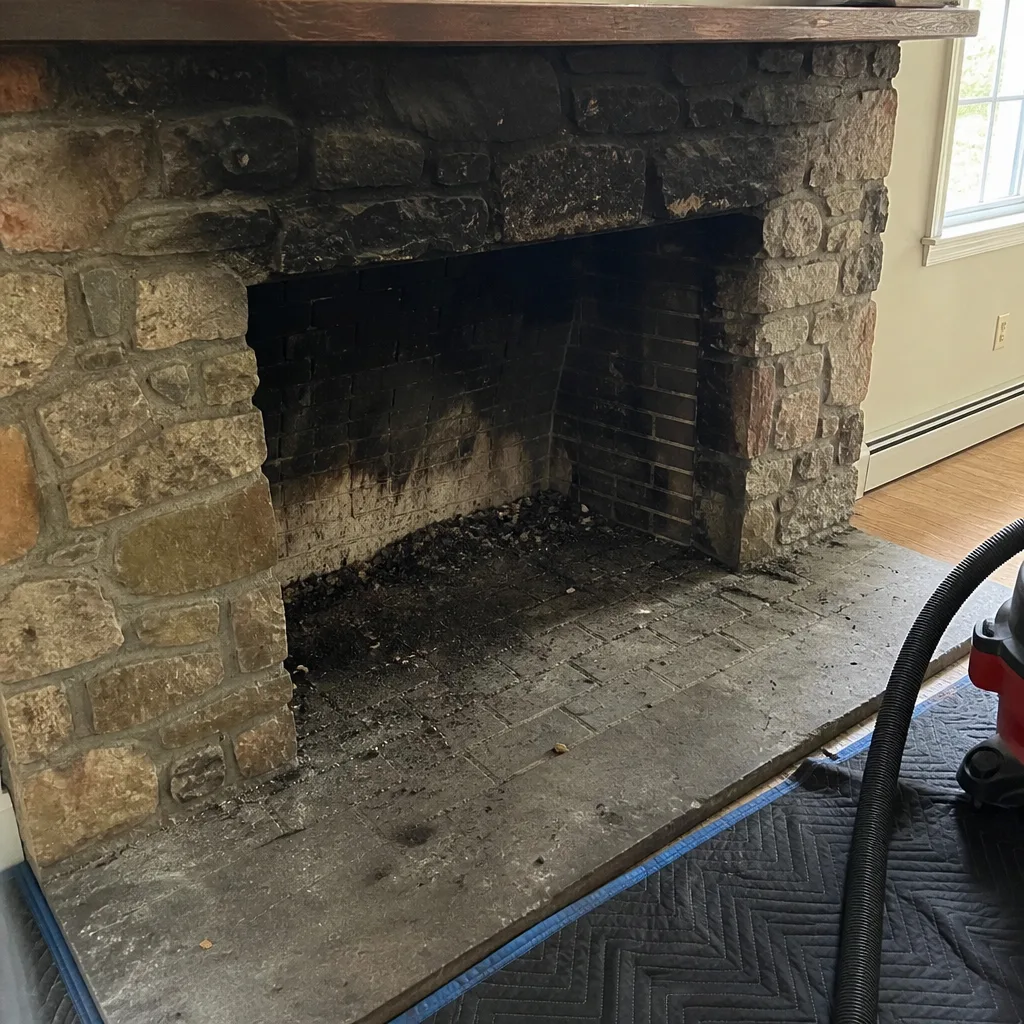 Before
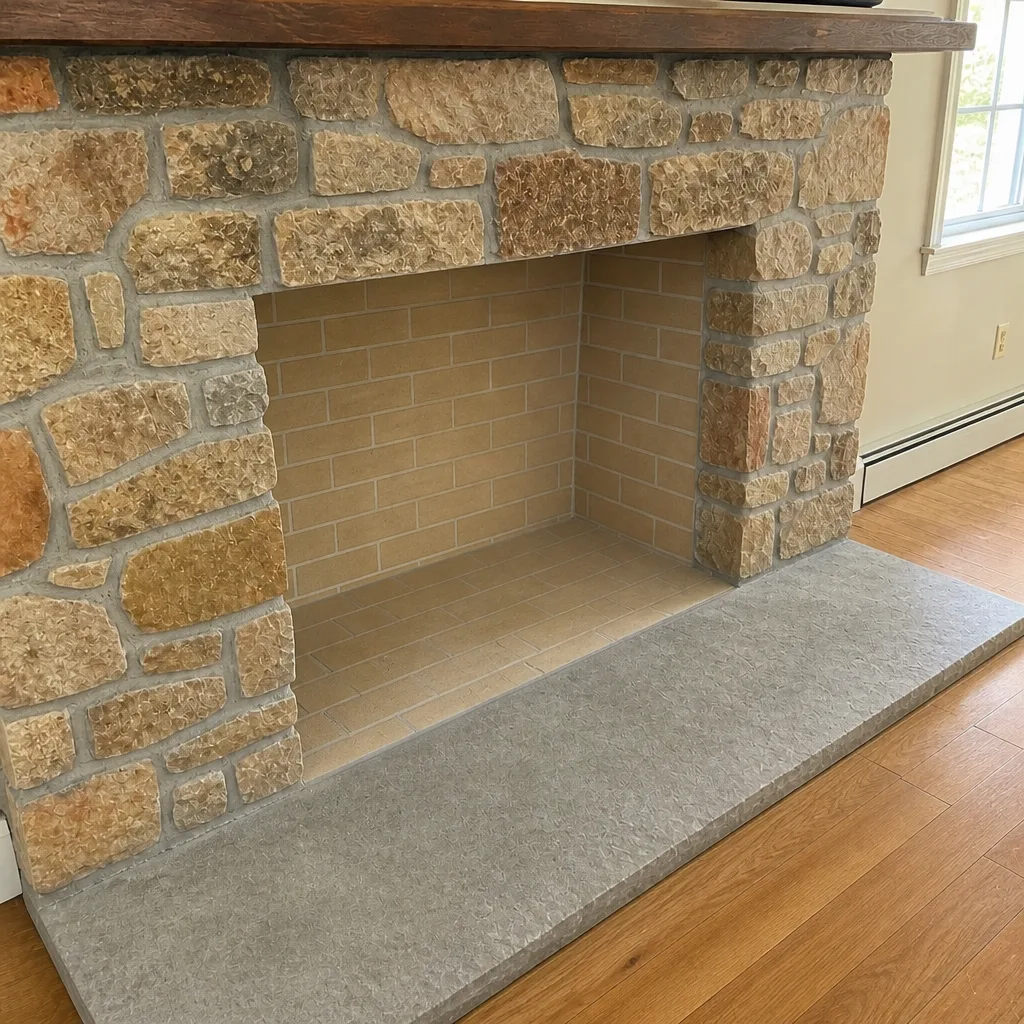 After
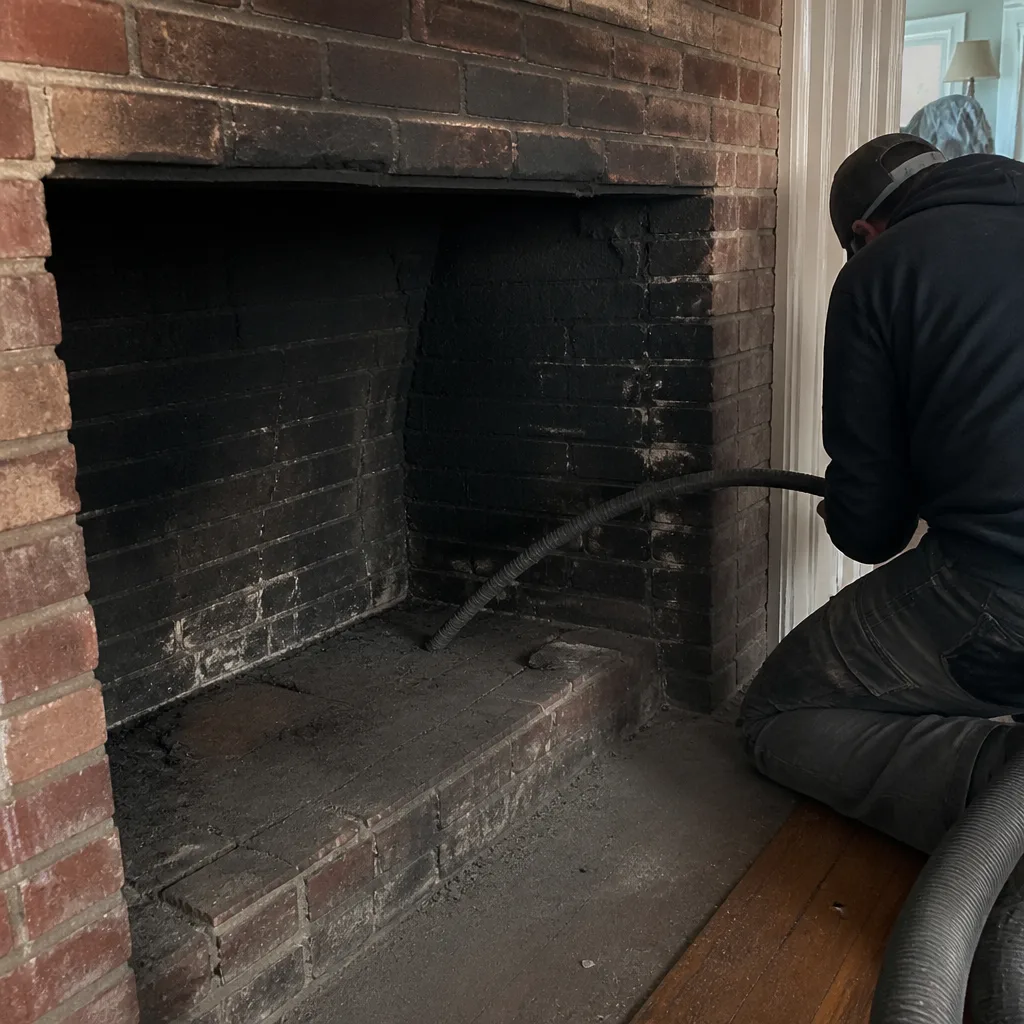 Before
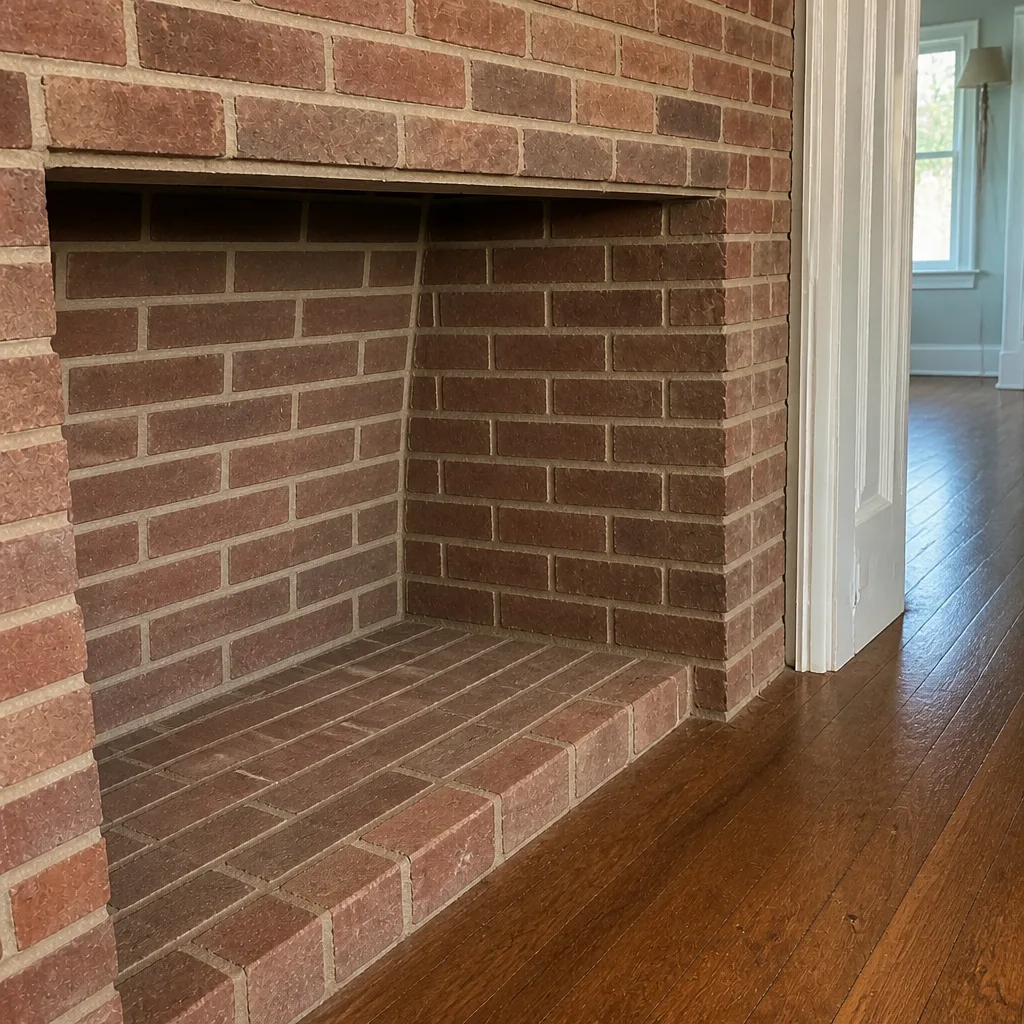 After
When to Call a Professional
Some chimney situations can wait. These shouldn’t. Call a professional if you’re hearing a roaring sound from the flue while a fire is burning, if you notice creosote flaking or glazing on the firebox walls, if you smell smoke inside the house when the fireplace isn’t in use, or if the damper won’t open and close cleanly. Those are signs that need a trained technician and a camera inspection, not a guess. The same goes for a cap that’s come loose, a crown that’s visibly cracked, or a firebox with cracks in the masonry. And if you’re buying or selling a home in East Boston, get an inspection before closing. Chimney Sweep East Boston offers free estimates in East Boston; call (888) 898-1071. We answer 24/7. Fast dispatch from 7am to 7pm, Sunday through Friday.
Frequently Asked Questions
Ask about CSIA certification, state contractor standing, insurance, and specific experience with the liner and flue configurations common in East Boston’s older buildings. Then ask for a written scope that includes inspection details and a camera photo report. A qualified contractor answers all of these without hesitation, in specifics. A general handyman with a brush set gives reassurances and vague language; those answers don’t hold up to follow-up questions.
A proper inspection covers the flue interior with camera assessment, the firebox and damper, the smoke chamber, the crown, the cap, and the exterior masonry. A basic sweep usually covers only the flue brush work. The inspection is what tells you whether the system is safe and what needs attention, which is why it belongs in the written scope from the start. Ask any contractor what their inspection covers before you book.
Yes, if you’re buying a home in East Boston, if your insurer needs documentation, or if you’re preparing for heating season and the chimney hasn’t been checked recently. A standalone chimney inspection is a useful diagnostic on its own. It gives you a written record of the system’s condition, which is valuable even when no cleaning is needed. You can schedule an inspection without a sweep, and you should if any of those situations apply.
Quotes vary most on what’s included, not on the base price. A “basic sweep” quote leaves out inspection, crown and cap checks, camera assessment, and the photo report. A properly scoped job includes those, and it costs more because it delivers more. The only fair comparison is between two written scopes, side by side. Ask for the scope, compare what’s covered, and ignore the headline number until you’ve done that.
Relining installs a new liner system inside the flue, typically a flexible liner like DuraFlex when the original flue is deteriorated or the wrong size. Resurfacing applies a ceramic repair layer, such as HeatShield, to a damaged tile liner to extend its life without full reliner replacement. Resurfacing is often the cost-aware choice when the liner damage is moderate. Relining is the answer when the existing liner is too far gone. A trained contractor should explain which applies to your flue and why, backed by camera evidence you can see.
That’s the arrangement you want, and it’s increasingly common among full-scope chimney specialists. One contractor handling sweeping, chimney cap and crown work, fireplace repair, chimney repair, and inspection means the person diagnosing the problem is also accountable for fixing it. That removes handoffs, duplicated costs, and miscommunication between trades. In older East Boston buildings where multiple components often need attention, that structure saves time and produces a clearer picture of what’s actually going on.
The Bottom Line
Hiring a chimney cleaning contractor in East Boston is a vetting exercise, not a shopping exercise. The cheapest “basic sweep” quote usually hides the inspection, the crown check, and the photo report that actually tell you what your chimney needs. A CSIA credential is a useful baseline, but specific questions about liner assessment, creosote staging, materials, and repair capability are what reveal technical depth. Prioritize contractors who scope the job in writing, document their findings, and handle sweeping, repairs, and inspection as one connected service. That combination is what protects an older East Boston home across heating seasons. To get a written estimate and a full-system diagnosis, contact the team at Chimney Sweep East Boston.
If you’d rather skip the guesswork, we’re ready when you are. Call (888) 898-1071 for a free estimate and a written scope. We answer 24/7. Fast dispatch from 7am to 7pm, Sunday through Friday. Whether you need a routine chimney sweep, a new cap, or a full system assessment, one call covers it. We handle chimney cap & crown work, fireplace repair, liner assessment, and standalone inspections, and we document what we find so you can see it for yourself before you commit to anything.
Written by the team at Chimney Sweep East Boston.