
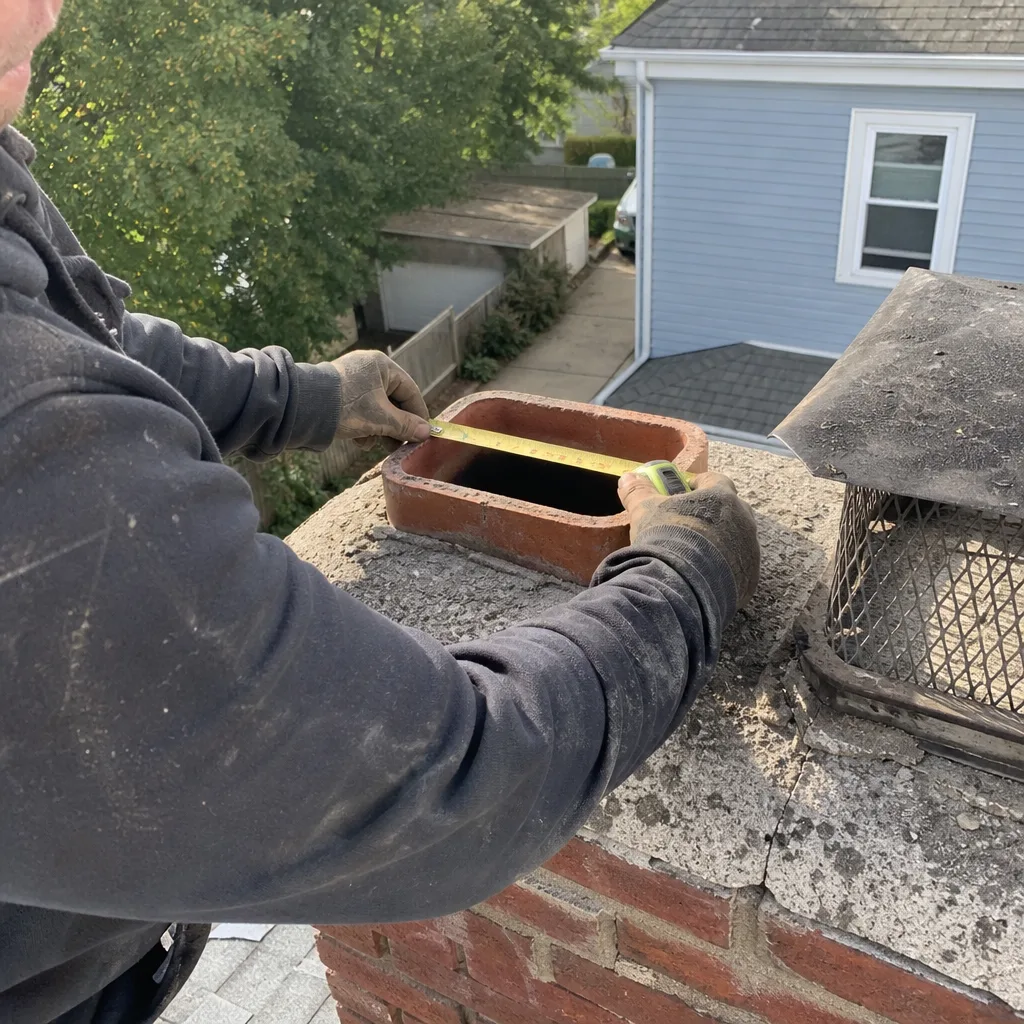
Last updated November 25, 2026
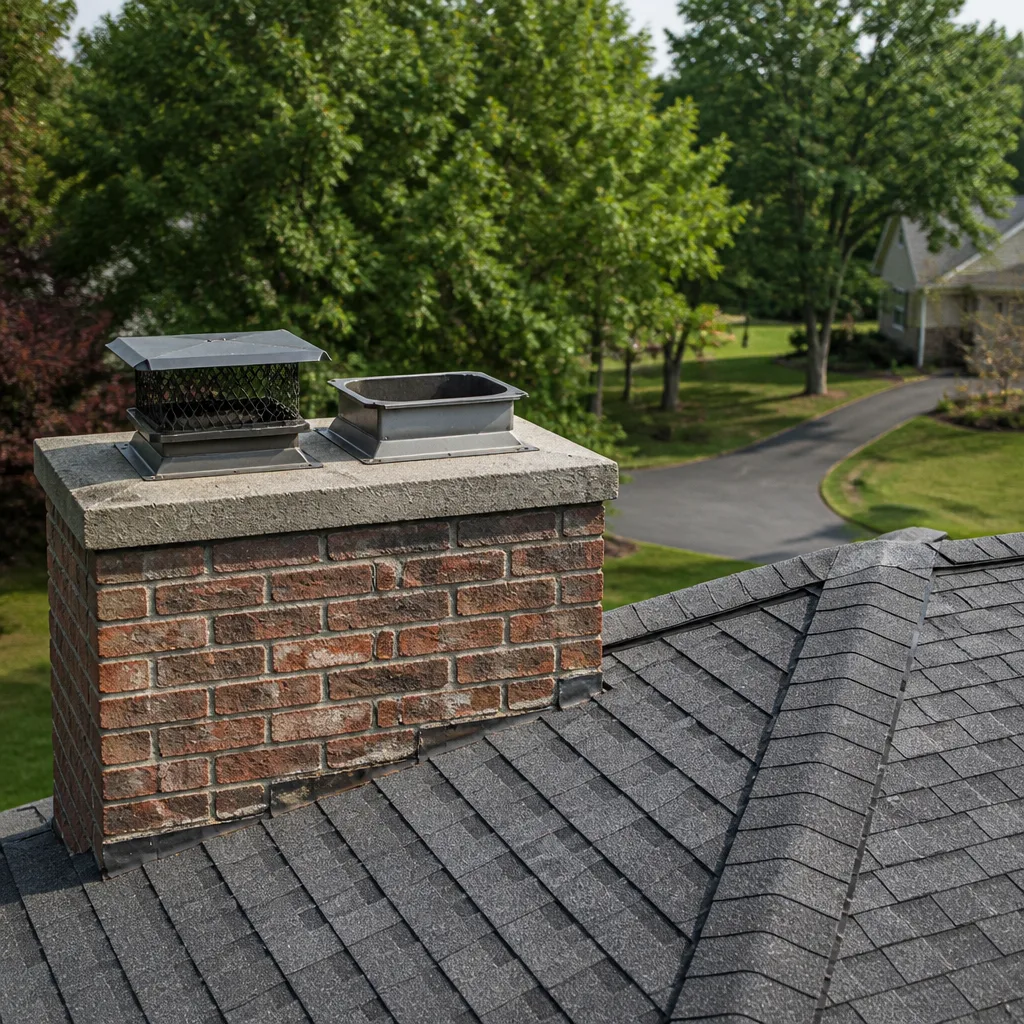 Sweep & inspection
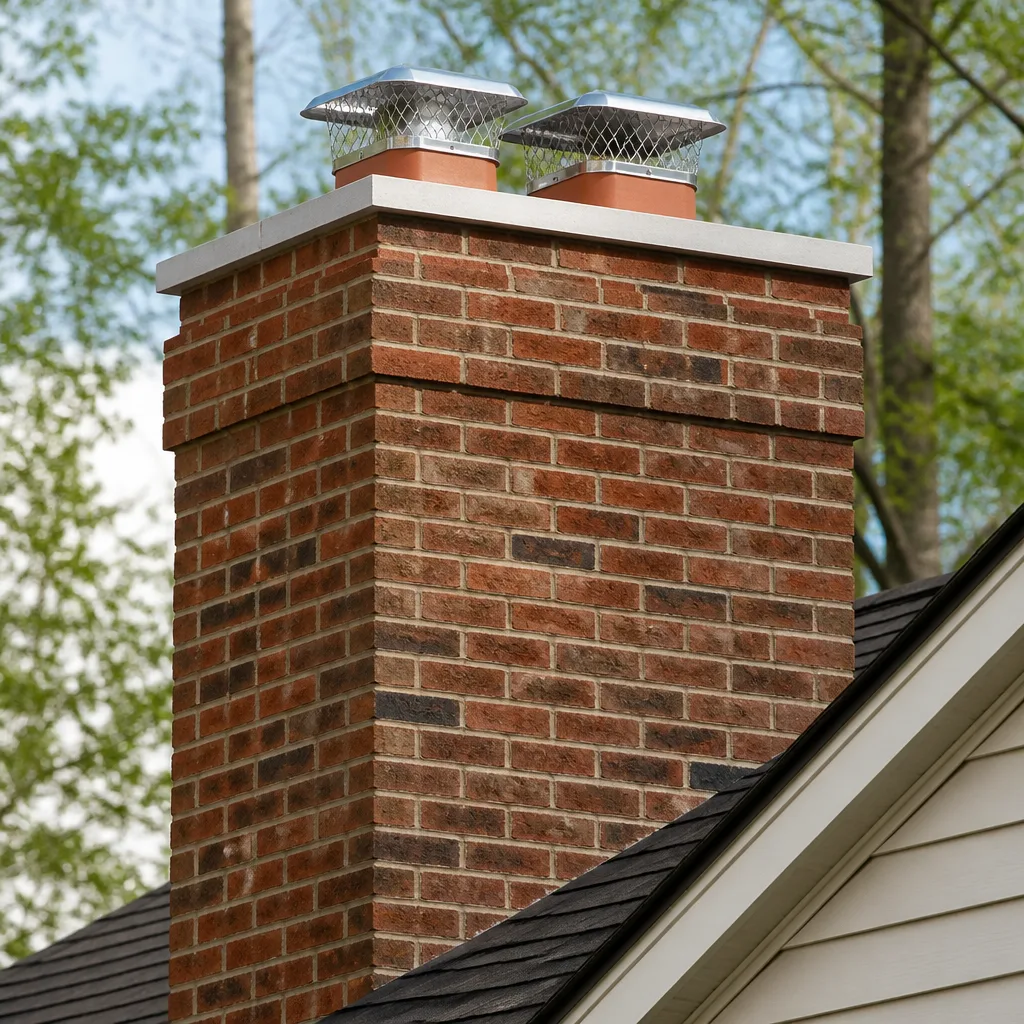 Caps & crowns
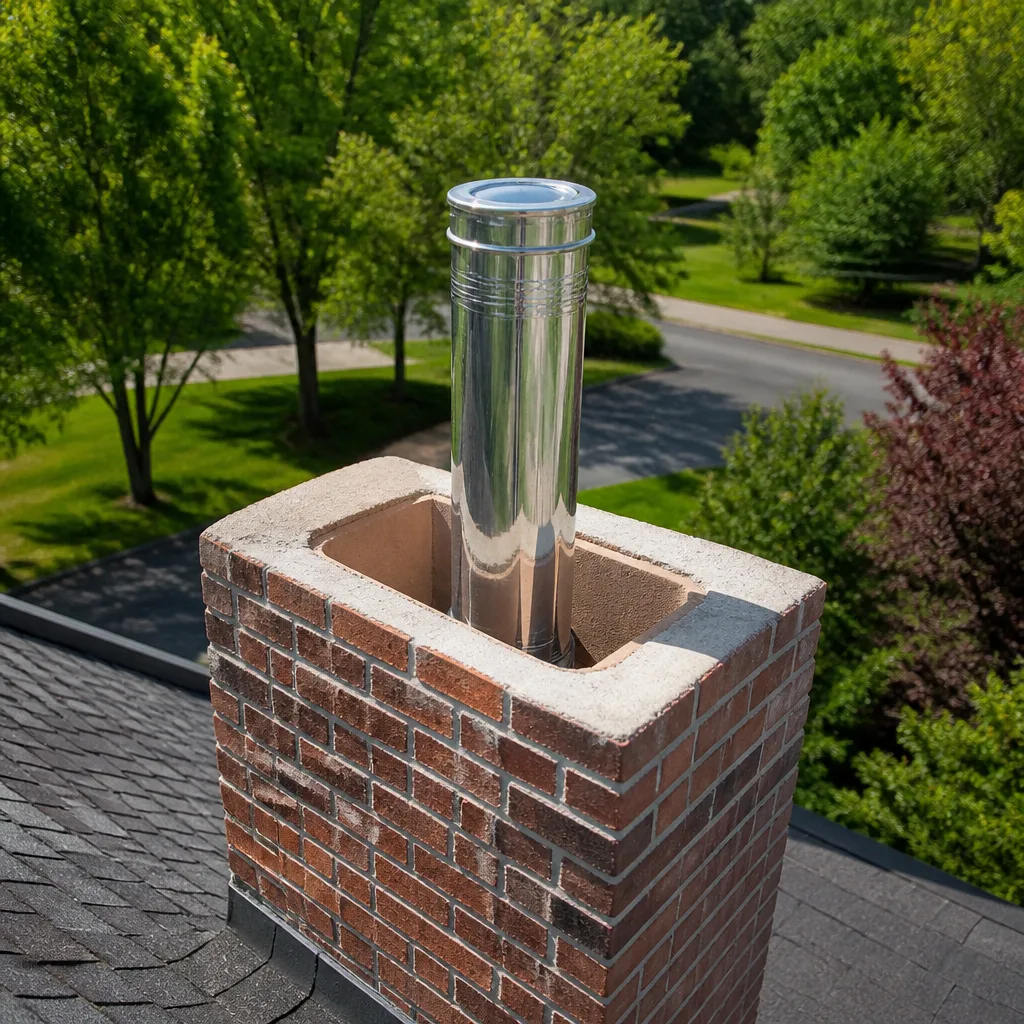 Flue relining
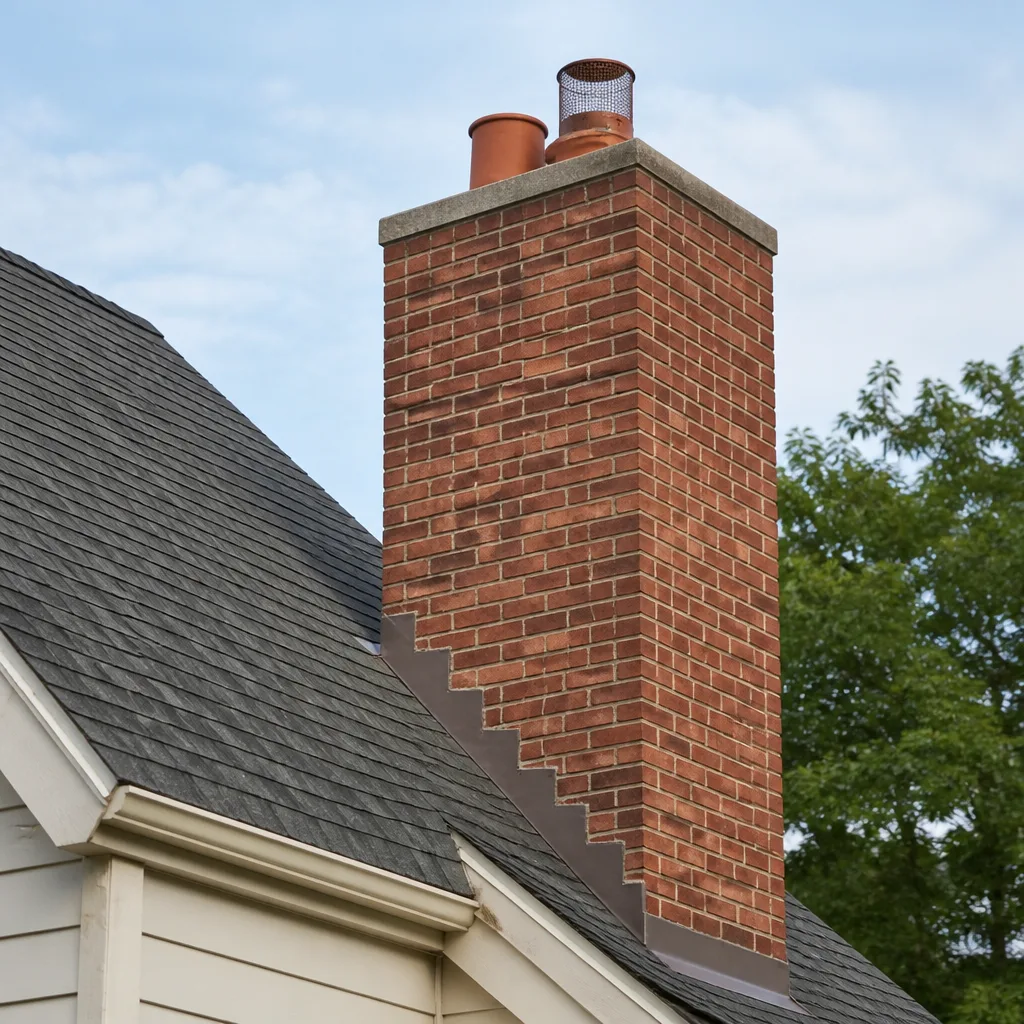 Masonry repair
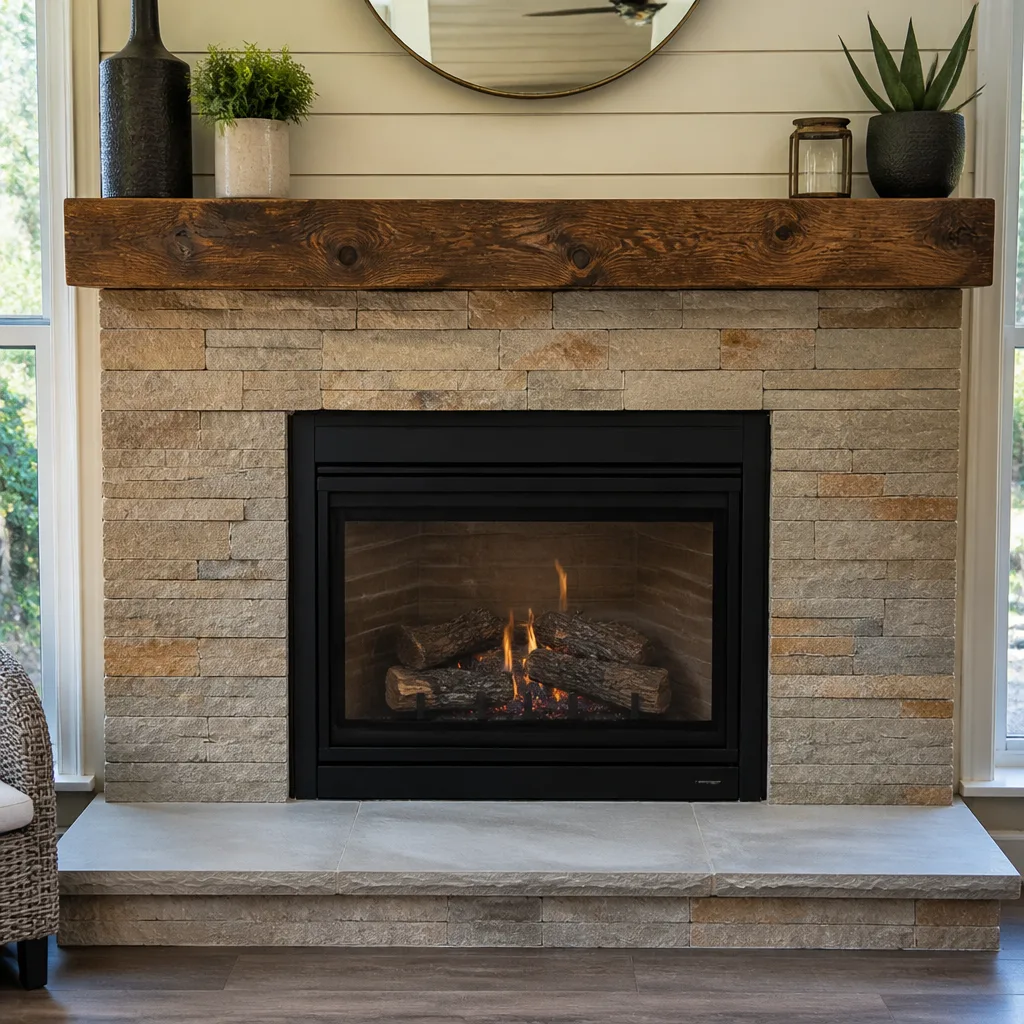 Gas fireplace service
Level 1 sweep and inspection to the NFPA 211 annual standard - flue, crown, cap, and flashing checked and photographed
Chimney sweep logs do not sweep chimneys. They loosen some creosote - which then falls where a brush and vacuum still have to collect it.
DIY vs Professional Chimney Cleaning: The East Boston Homeowner’s Decision Guide
You can buy the same poly brush a sweep uses for around $40, and nobody’s stopping you. The part you can’t buy at a hardware store is the judgment that comes next: knowing whether the black you’re pulling down is Stage 1 creosote or Stage 3, and whether the hairline in the clay tile was there last year or opened up over the winter. In East Boston, where triple-deckers and older two-families share flues and tight chases, that judgment matters more than the brushing. This guide covers what DIY actually removes, what it misses, and how to decide honestly which route your chimney needs.
Quick Answer
DIY chimney cleaning can safely handle light, Stage 1 soot and ash in a sound flue with a straight vertical run. Anything past that – glazed Stage 2 or 3 creosote, a cracked or spalled clay tile liner, an offset flue, or a shared chase in a multi-family building – needs a professional sweep with a camera, because a brush alone can’t remove it and can’t tell you what’s behind it. In East Boston’s older housing stock, most chimneys fall into the second category.
Styles & brands we work with
- Sweep & inspection
- Caps & crowns
- Flue relining
- Masonry repair
- Gas fireplace service
Table of Contents
- What DIY Cleaning Physically Can and Cannot Remove
- The Chemistry of Creosote: Why Stages 2 and 3 Change the Decision
- The Multi-Family Liability Question in East Boston
- The Tools You Actually Need vs. What’s Marketed to You
- The Honest Case for DIY: When It Genuinely Works
- What a Professional Sweep Produces Beyond a Clean Flue
- Why This Is a Diagnostic Question, Not a Money Question
- What Professional Cleaning Costs in East Boston
What DIY Cleaning Physically Can and Cannot Remove
A homeowner with a properly sized brush and rods can remove the top layer of a chimney’s interior: loose soot, ash, and the soft, powdery creosote that builds up during a season of fires. That’s real work, and it does reduce risk. What a brush cannot do is break down glazed creosote, which has bonded to the flue wall at a chemical level and doesn’t yield to mechanical scraping. And a brush cannot see. It runs past a cracked tile without registering it.
Here’s the practical split:
- DIY can remove: loose soot and ash, light Stage 1 creosote (the dusty, flaky kind), debris from the smoke shelf and damper area, and bird nests near the top if safely reachable from a stable roof position.
- DIY cannot remove: Stage 2 creosote (hard, shiny, tar-like), Stage 3 creosote (glazed and pitted into the tile), mortar joint deterioration, a spalled liner interior, or blockages in an offset flue.
- DIY cannot assess: liner integrity, flue sizing relative to the appliance, crown and cap condition from the flue side, or whether a shared chase is cross-venting.
In East Boston, the housing stock tilts most of these cases toward professional work. A lot of the neighborhood’s two- and three-family buildings date to the early 1900s and were built with clay tile liners that have had more than a century of heating cycles. Some of those tiles are sound. Some aren’t. The only way to know is to look with a camera, and that’s the line between a DIY job and one that needs a trained eye up top and a scope in the flue.
If you’re going to have someone look, it pays to have a full chimney sweep done by a technician who can also flag what the brush reveals as it goes.
The Chemistry of Creosote: Why Stages 2 and 3 Change the Decision
Creosote forms when wood smoke cools against the flue wall and condenses. What stage it reaches depends on how hot the fire burns, how dry the wood is, and how much cool surface the smoke touches on its way out. The three stages behave very differently, and the difference is the whole reason a brush alone isn’t enough past Stage 1.
- Stage 1 – soot and flaky deposits. Soft, dusty, easily brushed off. A homeowner with proper tools can manage this in a sound flue. It’s the least combustible stage.
- Stage 2 – hard, shiny, tar-like creosote. It’s bonded to the flue wall and doesn’t scrape off with a poly brush. Removing it typically requires a chemical treatment that softens the deposit before mechanical removal, and that’s a professional process.
- Stage 3 – glazed, pitted creosote. It has baked into the tile surface and can’t be removed without damaging the liner. At this stage, the conversation usually shifts from cleaning to relining, often with a system like DuraFlex flexible liner engineered for exactly this kind of aging masonry flue.
Here’s the part most DIY guides skip: you can’t tell what stage you’re looking at from the firebox. Stage 2 often looks like nothing from below – it’s up past the smoke chamber, in the upper flue. And the black dust coming out of a Stage 1 flue looks identical to what comes off what’s left of a Stage 2 flue after the soft layer is removed. That’s why we treat every sweep as a diagnostic first and a cleaning second. If your last fire left you wondering whether the deposit is serious, the honest answer is that you can’t know without seeing it.
The wood you burn matters more than most people realize. Seasoned hardwood, split and dried properly, produces less creosote than green wood or softwood, and it burns hotter, which keeps deposits from condensing in the first place. In East Boston, where a lot of fireplaces see a mix of cordwood and store-bought bundles, the variation in creosote stage from one home to the next is real.
The Multi-Family Liability Question in East Boston
East Boston has more two- and three-family buildings than almost anywhere in the city, and a lot of them share a chimney chase even when they don’t share a flue. That changes the DIY calculation in a way it doesn’t in a standalone single-family. When a chimney serves more than one unit, a defect in one flue can affect the flue next to it, and a fire that starts in a shared chase travels through the building’s structure rather than staying contained to one firebox.
Here’s what that means practically:
- A DIY sweep can’t assess the chase. A brush down a flue tells you nothing about whether the adjacent flue is sound, off-sized, or cross-venting. Cross-venting – where one flue drafts into another – is a real problem in older shared chases and only shows up under camera inspection.
- A missed liner defect becomes a building-wide risk. If a homeowner’s DIY sweep skips over a spalled tile and a fire later breaches that liner, the damage isn’t confined to one fireplace. In a multi-family building, that exposure reaches every owner and renter in the structure.
- Insurance and disclosure follow the flue, not the unit. If a chimney fire happens and an adjuster finds the liner was compromised and last documented by a homeowner rather than a sweep, the conversation gets harder. Proper documentation from a professional sweep is the cleanest record you’ll have.
We’re not saying single-family homes in East Boston can’t do some of their own maintenance. We’re saying the shared-chase buildings that make up so much of this neighborhood need a professional eye on the liner every year, because the failure mode spreads. That’s a scope question, not a scare tactic. If you want to know what a proper inspection looks like, the team at Chimney Sweep East Boston walks it through from diagnosis through fix in a single visit.
The Tools You Actually Need vs. What’s Marketed to You
The chimney tool market is full of add-ons meant to sell to homeowners who are nervous about the job. Most of them aren’t necessary, and some are far less useful than they look. Here’s what a genuinely safe DIY sweep actually requires, and what’s overkill.
What you actually need:
- A poly brush sized to your flue interior – not oversized, not undersized. A brush that’s too large can crack a tile; one that’s too small skips deposits.
- Flexible fiberglass rods of the right length for the flue run, plus a rod connector and pull ring if you’ll be working from the top.
- A bright headlamp and a full-face respirator (not a dust mask – creosote soot is far more fine than construction dust).
- A drop cloth and a shop vac rated for fine ash, sealed to the firebox opening so you don’t distribute soot through the room.
- A proper roof anchor or a stable ladder setup. This is where most DIY injuries happen – not from the brush but from the height.
What’s mostly unnecessary:
- Rotary drill attachments. They work in the hands of a trained sweep with the right bit and speed; in a homeowner’s hands they crack tiles. These are trade tools, not consumer tools.
- Chemical creosote removers sold for home use. The formulations that actually soften Stage 2 creosote are professional-grade and applied with methods that home products don’t match.
- Chimney “sweeping logs.” The fire-log products marketed as sweep substitutes do move some light soot, but they don’t replace a real sweep and they don’t address anything above the firebox.
If you’ve already got the right brush and rods, the honest answer is that you’re most of the way to a safe Stage 1 DIY sweep. The rest of the list is safety gear, and it’s worth buying. If you’re missing the respirator or the anchor, put the brush down and call a professional. The cost of the gear is a small fraction of a fall off a pitched roof in East Boston.
The Honest Case for DIY: When It Genuinely Works
We install liners, do full sweeps, and repair chimneys for a living – and we’ll still tell you straight: some East Boston fireplaces can be owner-maintained between professional inspections. The conditions have to be right, and they’re specific.
A fireplace is a reasonable candidate for DIY Stage 1 sweeping between annual professional visits when all of the following are true:
- The flue is straight, single-story vertical, with no offset and no shared chase.
- The liner is a modern stainless system in good condition, or a fully sound clay tile that a sweep has documented as unspalled within the last year.
- The fireplace is a wood-burning unit that burns only well-seasoned hardwood, and the homeowner knows what Stage 1 looks like because a professional has shown them.
- You can reach the top safely – a settled roofline with a proper anchor point, not a steep pitch with a slippery surface.
- You’re comfortable that if you see anything unusual – a shiny glaze, an ash pile with a strange texture, a warm spot on the chase wall – you’ll stop and call.
Notice what’s not on that list: budget. If DIY is a cost question and the conditions above are met, we think it’s reasonable. If the conditions aren’t met – and in a three-family with a shared chase, they rarely are – the cost question is the wrong question. The right question is whether your brush can see the thing that actually matters.
One more honest note. A homeowner who sweeps their own flue in a sound liner, with the right brush and the right safety gear, is not creating a problem. The problem only starts when the DIY sweep becomes the substitute for the annual inspection, because a brush will pass right by a defect it can’t see. For more on what a professional inspection looks for, the chimney cap & crown service page explains what a cap and crown inspection includes and why both are tied to the flue’s health, not just the roofline.
What a Professional Sweep Produces Beyond a Clean Flue
A professional chimney sweeping in East Boston produces three things a homeowner with a brush can’t: a documented condition assessment, a liner-level diagnosis with camera evidence, and a set of repair recommendations with a written scope. That’s the actual product. The clean flue is the side effect.
Here’s what a full professional sweep includes on a typical East Boston chimney:
- A camera inspection of the flue from firebox to top, with photos you see during the visit. This is where a spalled tile, a hidden offset, or a cross-vented flue becomes visible.
- A stage assessment of the creosote, so you know whether the deposit in your flue needs chemical treatment (Stage 2) or a reliner decision (Stage 3).
- A condition report on the cap, crown, and flashing, which is where a lot of leaks and drafts start. A damaged crown lets water into the chimney chase, and that water attacks the liner. Caps and crowns are a distinct specialty – the ones we spec come from Gelco and Famco, chosen for draft performance and weather resistance, not just coverage.
- A written scope for any recommended repair – liner work, masonry resurfacing, fireplace repair, or cap replacement – so you know what’s being proposed, why, and what it costs before anyone starts.
That last point matters because it arms you to verify the recommendation yourself. In our experience, the biggest worry East Boston homeowners bring to a chimney sweep is being told they need thousands in liner or masonry work they have no way to check. The answer is simple: nothing should be recommended to you without camera evidence you can see, and we’ll tell you plainly when a repair can safely wait a season. That’s the point of naming the materials we use – DuraFlex for relining, HeatShield for ceramic resurfacing that can extend liner life without full replacement, Olympia Chimney and Copperfield for the professional-grade tools and components the trade uses. Here’s what we found, here’s what it needs.
When a fireplace itself is part of the problem – a cracked firebox, a damaged damper, a hearth that’s no longer sound – fireplace repair ladders into the same visit, so a homeowner isn’t sourcing a second contractor mid-project.
Why This Is a Diagnostic Question, Not a Money Question
Most DIY-versus-professional articles frame the choice as a cost comparison. That’s the wrong frame. The brush is cheap and the professional sweep isn’t, so on pure dollars DIY always “wins” the first year. But the decision isn’t about this year’s cleaning; it’s about whether you can see what’s behind the clay tile, and what has changed since last season. A homeowner who brushes their flue every fall and never has the liner inspected is making a bet that nothing structural has changed. In an East Boston chimney that’s served the same building through decades of heating cycles, that bet gets worse every year, not better.
Here’s the diagnostic frame that actually answers the question:
- Can you see the flue? If you can’t see it with a camera, you don’t know its condition. That’s the whole test.
- Do you know what stage the creosote is? If you don’t, and the deposit isn’t obviously Stage 1, a professional sweep is the right move.
- Is the flue shared or single? Multi-family chases in East Boston tilt firmly toward professional.
- Has the liner been documented in the last year? If not, a standalone inspection answers the question without committing to any repair.
The good news: an inspection is available as a standalone service. If you’re a home buyer, if your insurer is asking for one, or if you just want a seasonal readiness check, an inspection on its own tells you whether your chimney is a DIY candidate or not. You don’t have to commit to a sweep or a repair to get the diagnosis. That’s the honest way to decide, and it costs less than guessing.
What Professional Cleaning Costs in East Boston
Professional chimney sweeping in East Boston typically runs a flat rate by job, set by a written estimate before any work begins. The estimate is free and it’s the final word on price – no surprises, no adjustments after the fact. What you’ll see in a competitive East Boston estimate is a range that depends on the flue configuration, the access (roof or firebox), whether the sweep includes a camera inspection, and whether a cap or crown check is part of the visit.
What drives the estimate:
- Number of flues. A single flue is one job. A three-flue chimney with a shared chase is more, and the inspection is correspondingly more involved.
- Access. A straight vertical run reached from a stable roof position is the simplest. An offset flue or a difficult roof profile takes more care.
- Deposit stage. A Stage 1 sweep is straightforward. A Stage 2 flue that needs chemical treatment before removal is a different job.
- Add-ons in scope. A camera inspection, a cap check, a crown inspection, and fireplace repair all get scoped separately if needed, so you know exactly what each line covers.
- Documentation. A written report with photos is part of the sweep, not a separate product.
We don’t quote East Boston pricing over the phone because a phone number can’t tell us what you’ve got. The estimate is free and on-site, and it’s set per job before booking. The written estimate sets the final price. Call (888) 898-1071 for an exact quote – estimates are free. We answer 24/7. Fast dispatch from 7am to 7pm, Sunday through Friday.
Common Mistakes to Avoid
- Sweeping with the wrong-size brush. A brush that’s too large can crack clay tile; a brush that’s too small skips deposits and gives a false sense of clean. In East Boston’s older flues, the correct size is often not what the homeowner assumes.
- Skipping the camera inspection because the sweep “looks fine.” The flue you can see from the firebox is less than half the run. A Stage 2 creosote deposit often sits in the upper flue where no headlamp reaches.
- Treating a chimney sweeping log as a substitute for a sweep. Those products move light soot; they don’t address Stage 2 or Stage 3, and they don’t assess the liner. In a shared-chase multi-family, that’s a real gap.
- DIY on a steep or icy roof. East Boston roofs in cold months are not the place to learn ladder work with a brush and rods. Falls, not creosote, are the most common homeowner chimney injury.
- Ignoring the crown and cap while cleaning. A compromised crown lets water into the chase, which attacks the liner from behind. If the crown is failing, cleaning the flue doesn’t fix the actual problem.
- Treating a Stage 1 schedule as a permanent decision. A flue that was Stage 1 last year can shift to Stage 2 with a change in wood, a damp season, or a change in burning habits. The sweep should test the stage every year, not assume it’s unchanged.
- Missing the multi-family liability piece. If you’re in a two- or three-family building and you’re sweeping your own flue, you’re making a shared-chase decision for the whole building. That’s a conversation to have with your neighbors and a professional, not a solo decision.
See the difference
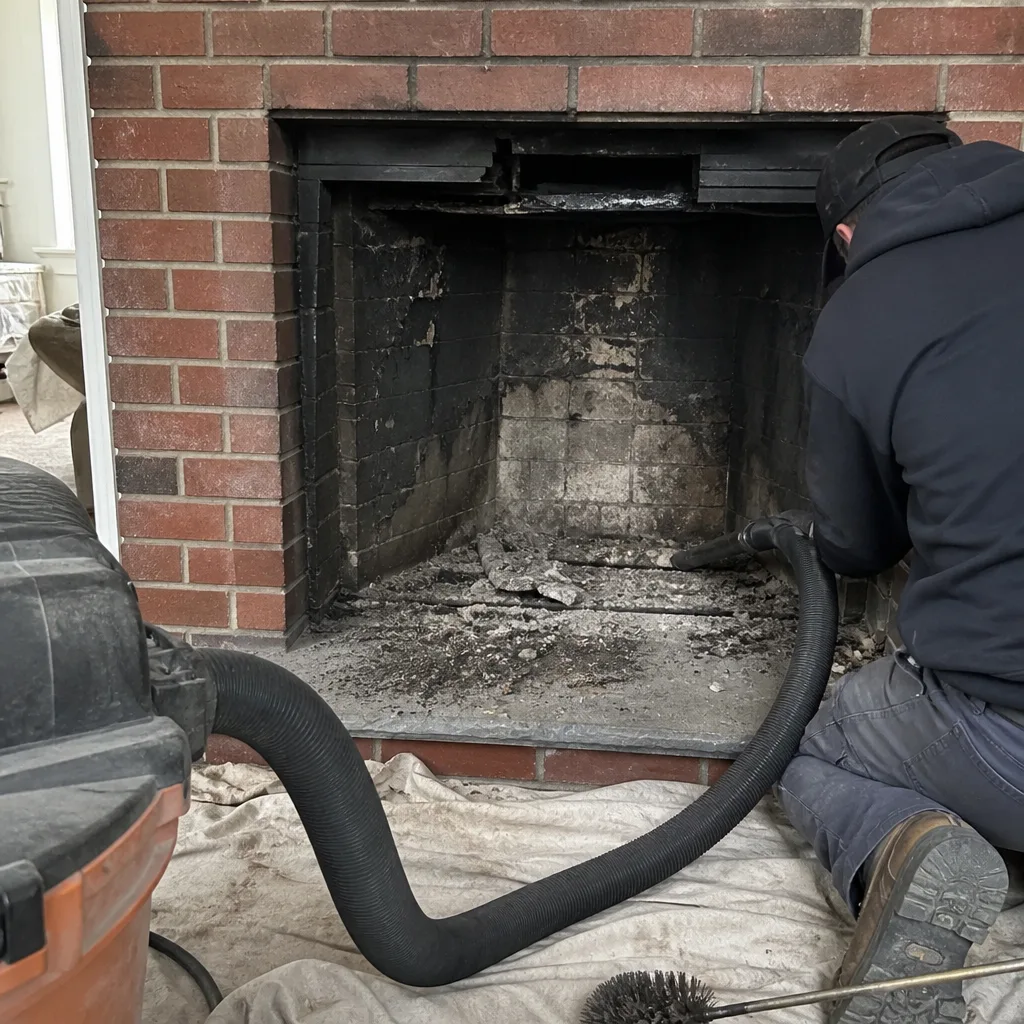 Before
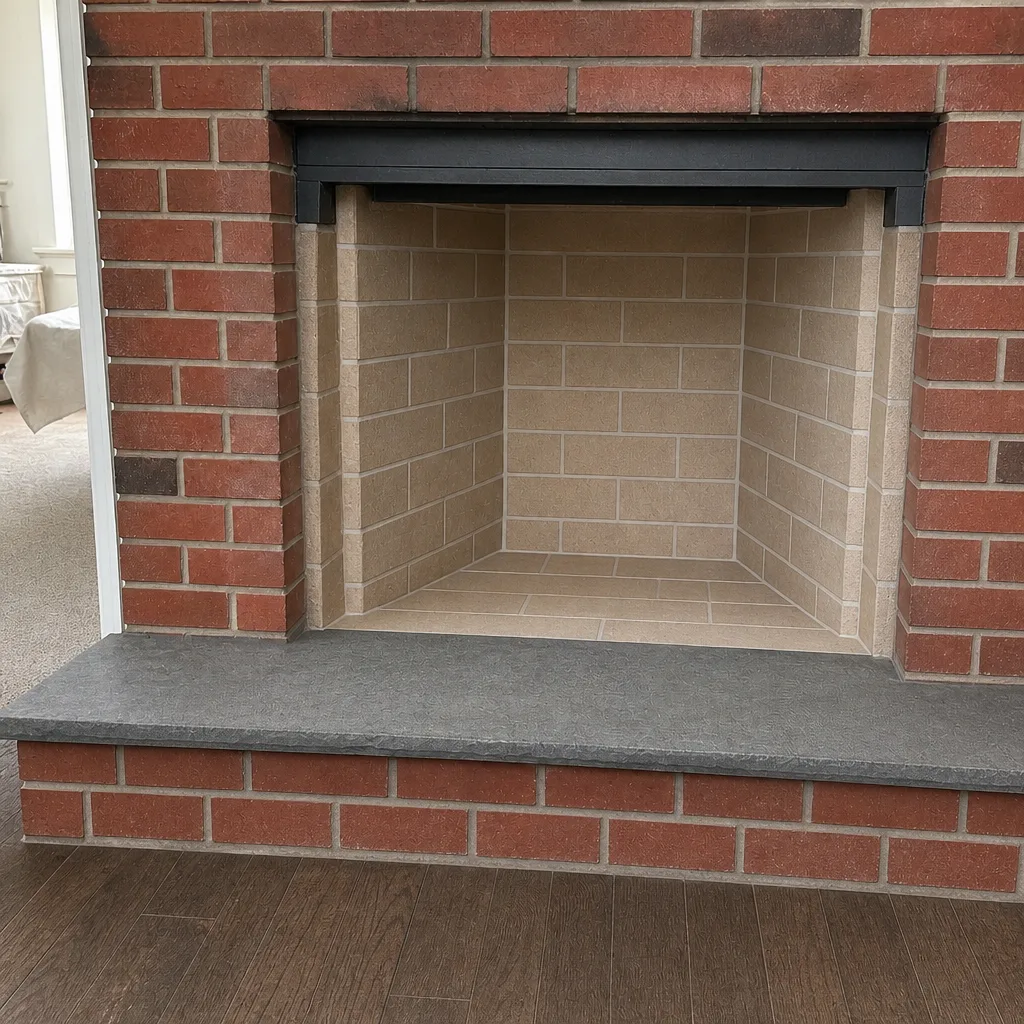 After
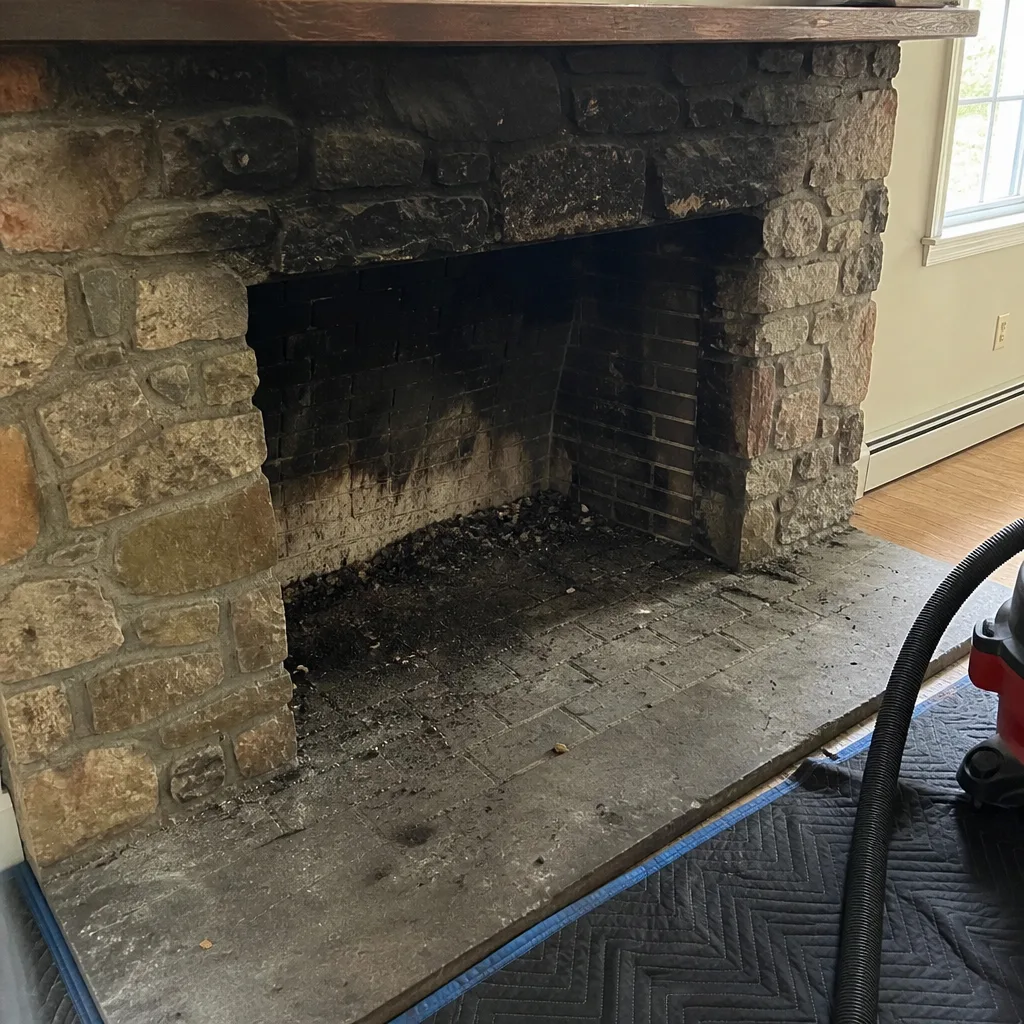 Before
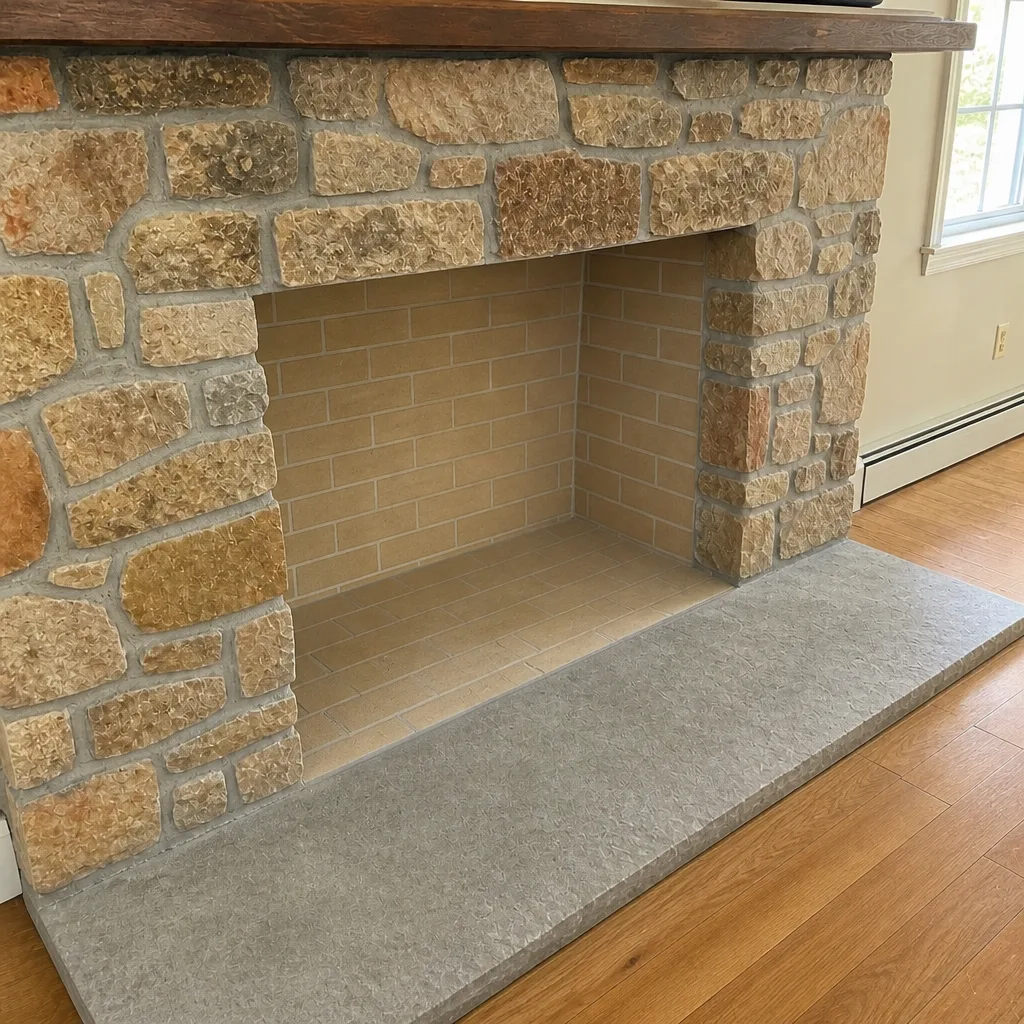 After
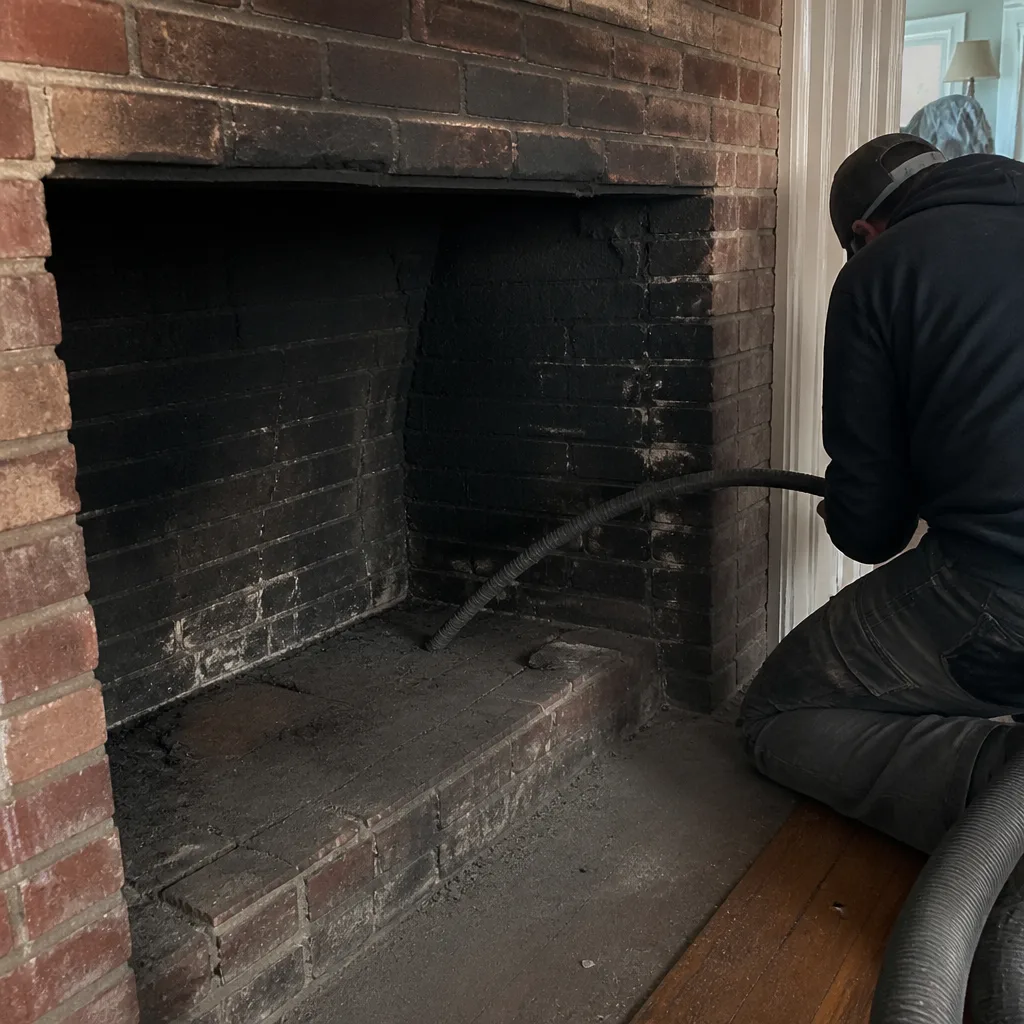 Before
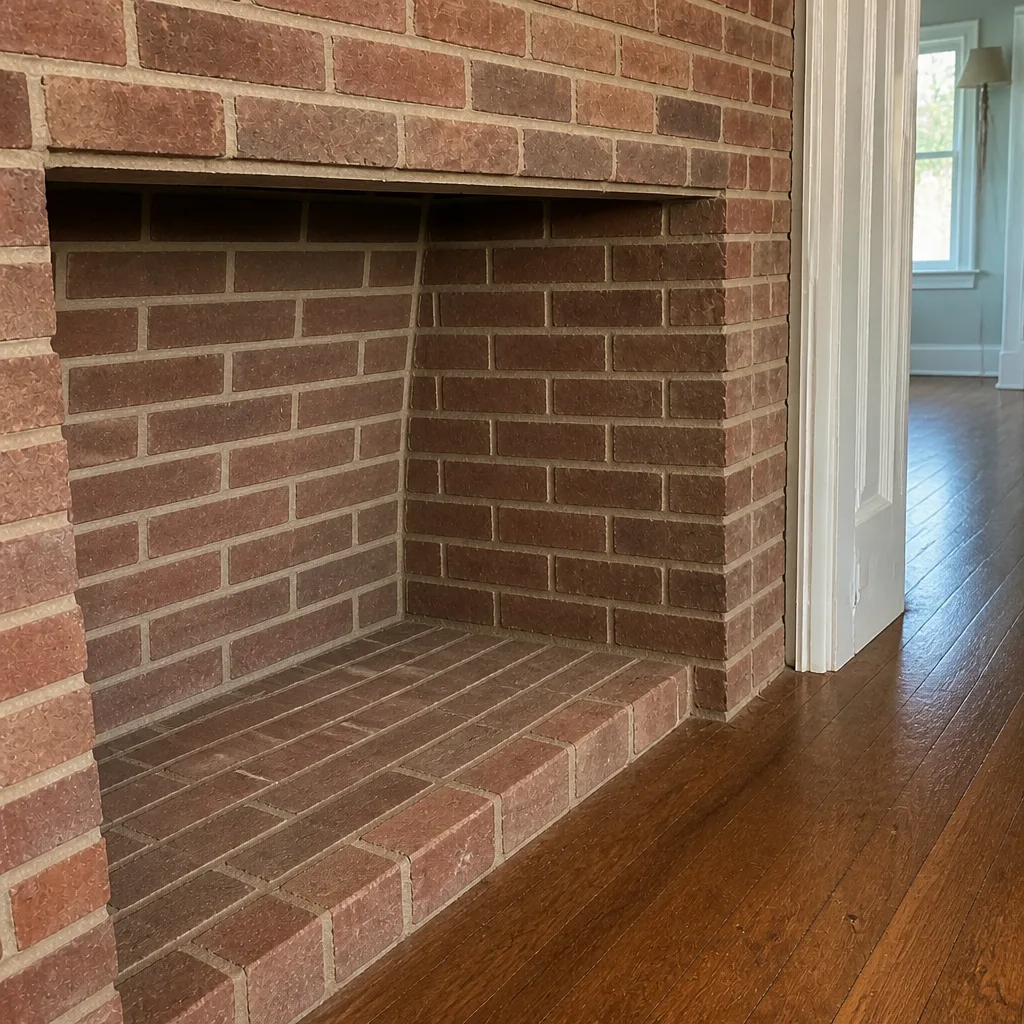 After
When to Call a Professional
Call a professional sweep for your East Boston chimney if any of these fit: you’re in a multi-family building with a shared chase, the last professional inspection was more than a year ago, you see shiny or tar-like deposits, the fire smells or smokes back into the room, the flue has an offset or you can’t reach the top safely, or you’re buying a home and need documentation. If your liner has never been scoped and you’ve owned the fireplace for years, that first inspection is worth the visit even if nothing turns out to be wrong. Chimney Sweep East Boston offers free estimates in East Boston – call (888) 898-1071. We answer 24/7. Fast dispatch from 7am to 7pm, Sunday through Friday.
Frequently Asked Questions
Professional chimney sweeping in East Boston is priced per job by a written estimate, and the estimate is free. The final price depends on the number of flues, access, deposit stage, and whether a camera inspection is included. Call (888) 898-1071 for an exact quote – estimates are free.
You can sweep a sound single-family flue with Stage 1 deposits and safe roof access, but that’s a narrow set of conditions. In East Boston’s multi-family buildings with shared chases and older clay tile liners, the level of risk shifts the decision toward professional work. Call (888) 898-1071 and we’ll tell you plainly whether your chimney is a DIY candidate or not – the estimate is free.
You can’t reliably tell from the firebox; the deposit stage is judged from the flue with a camera and a trained eye. Stage 1 is soft and flaky, Stage 2 is hard and tar-like, Stage 3 is glazed into the tile. Call (888) 898-1071 to book a sweep that will tell you the stage and show you the photos.
Skipping the inspection doesn’t cause a fire; it removes the information that would have stopped one. A flue that passed last year can develop a spalled tile, a compromised crown, or a cross-vent condition without any obvious sign at the firebox. Call (888) 898-1071 for a standalone inspection – estimates are free.
You need a new liner if the existing liner is cracked, spalled, or staging up to Stage 3 creosote, and you need only a cleaning if the liner is sound. We won’t recommend liner work without camera evidence you can see, and we’ll tell you when a repair can safely wait. Call (888) 898-1071 – the estimate is free.
It reduces the top-layer soot load in a sound flue, which does lower risk. It doesn’t touch Stage 2 or Stage 3 creosote and can’t find a liner defect, so it addresses part of the problem, not the whole. Call (888) 898-1071 if you want the full picture – estimates are free.
The Bottom Line
The DIY vs professional chimney cleaning decision in East Boston isn’t a money question; it’s a visibility question. A homeowner with the right brush and gear can safely handle Stage 1 soot in a sound, single-family flue. A brush cannot see the liner, cannot tell Stage 1 from what’s left of Stage 2, and cannot assess a shared chase. In this neighborhood’s multi-family housing stock, that gap matters more than the cost of the sweep. If your flue has never been scoped, start there. An inspection alone answers the question, and it’s free. We answer 24/7. Fast dispatch from 7am to 7pm, Sunday through Friday.
Call (888) 898-1071 for a free estimate on a chimney sweep, cap and crown work, fireplace repair, or a standalone inspection in East Boston. We’ll tell you what we found, what it needs, and what can safely wait.
Written by the team at Chimney Sweep East Boston.