
Last updated November 25, 2026
 Sweep & inspection
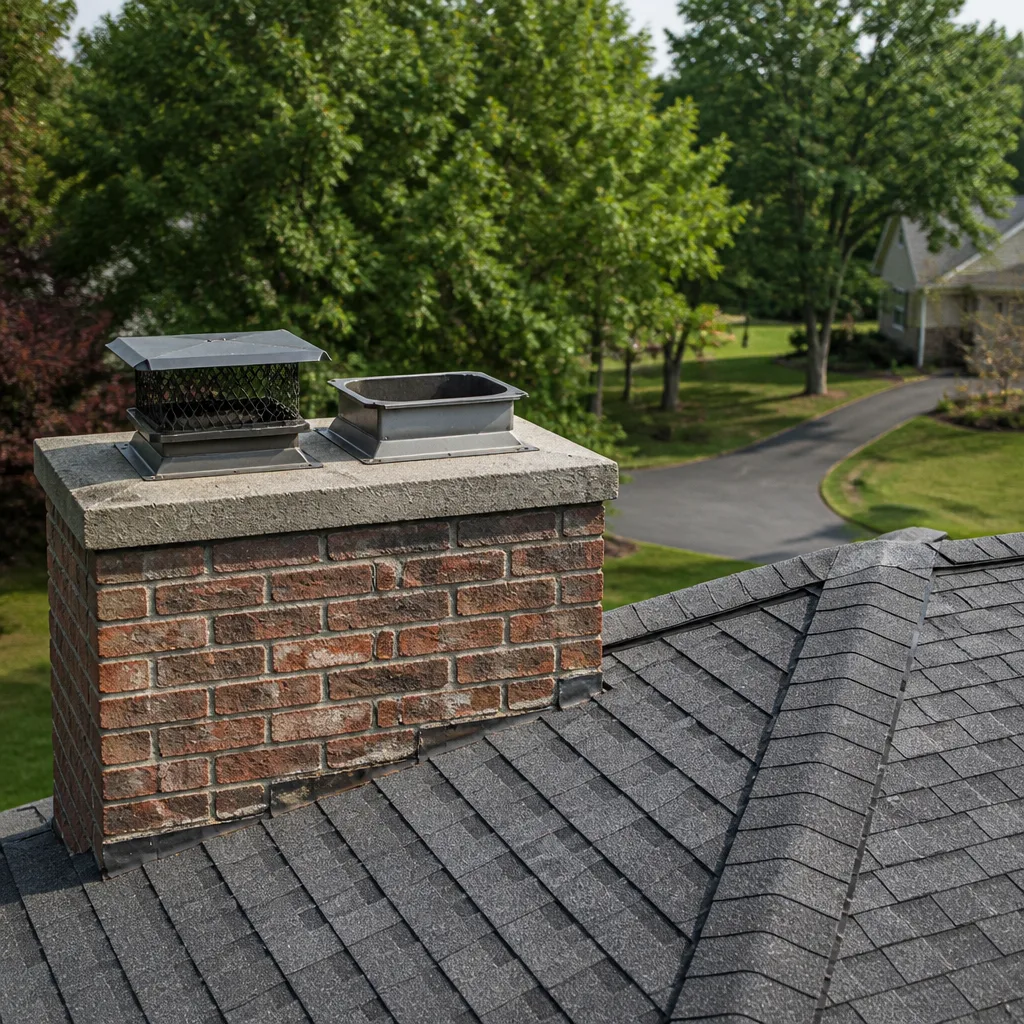
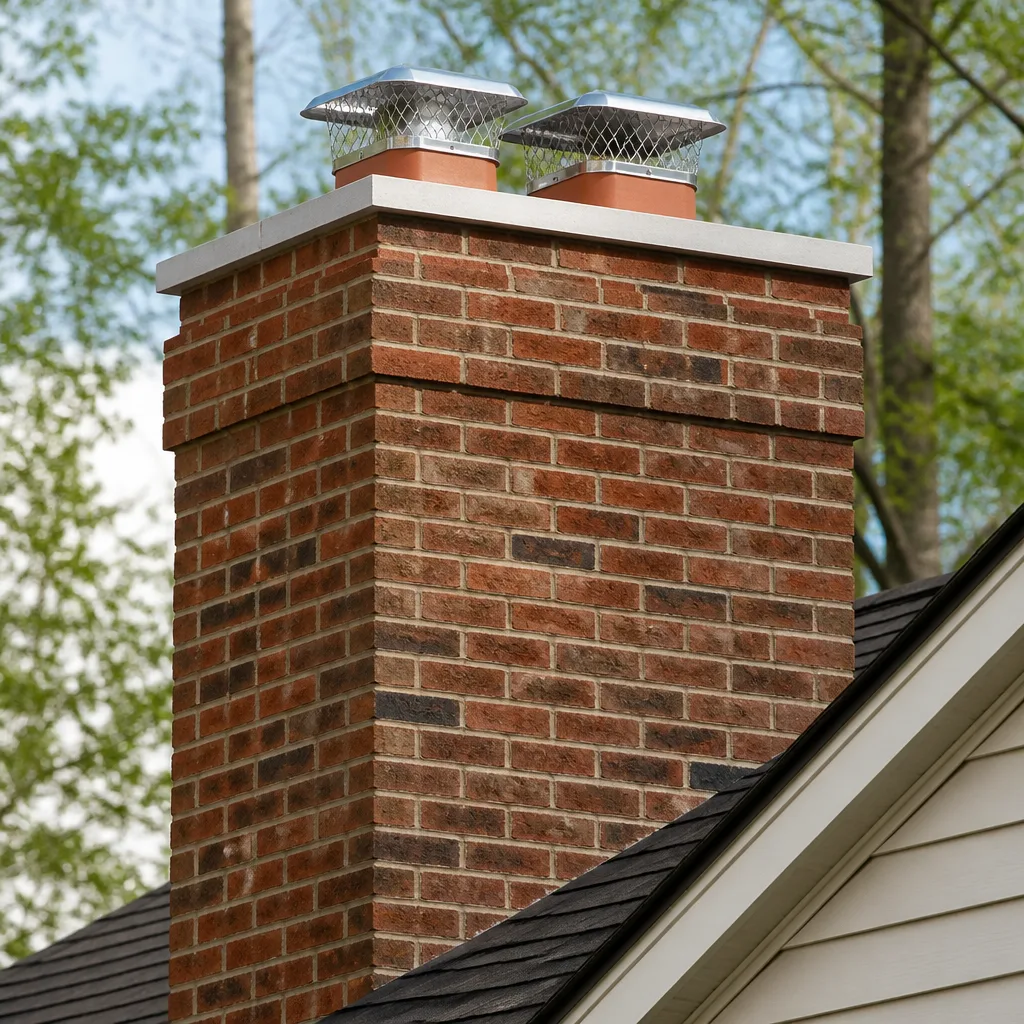 Caps & crowns
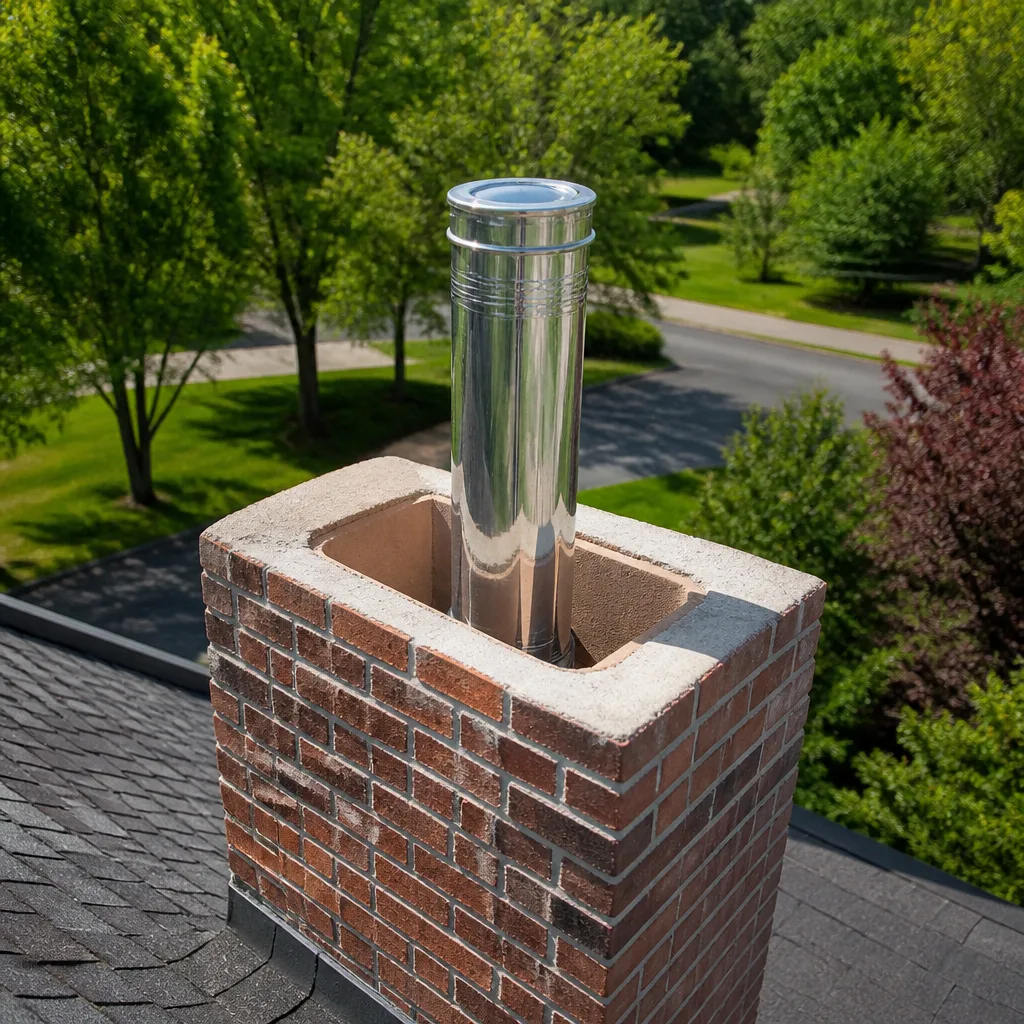 Flue relining
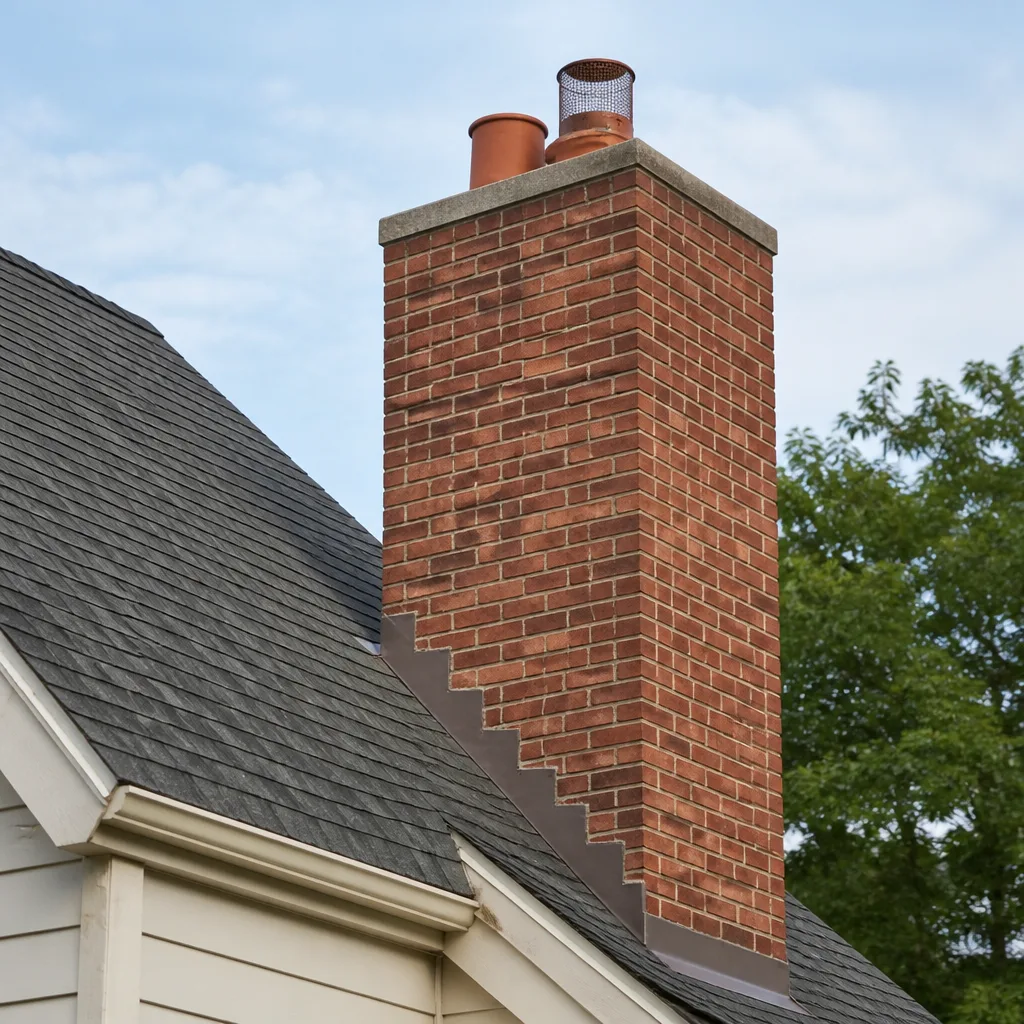 Masonry repair
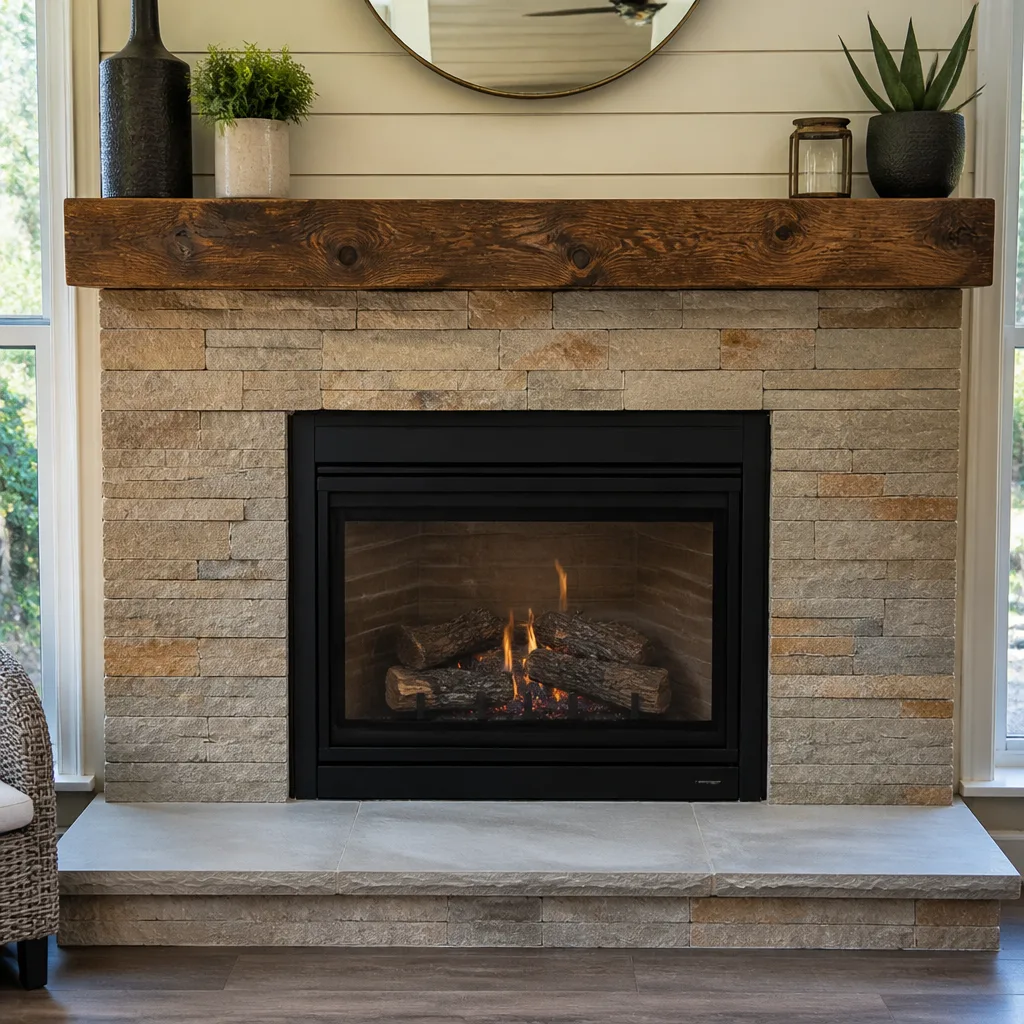 Gas fireplace service
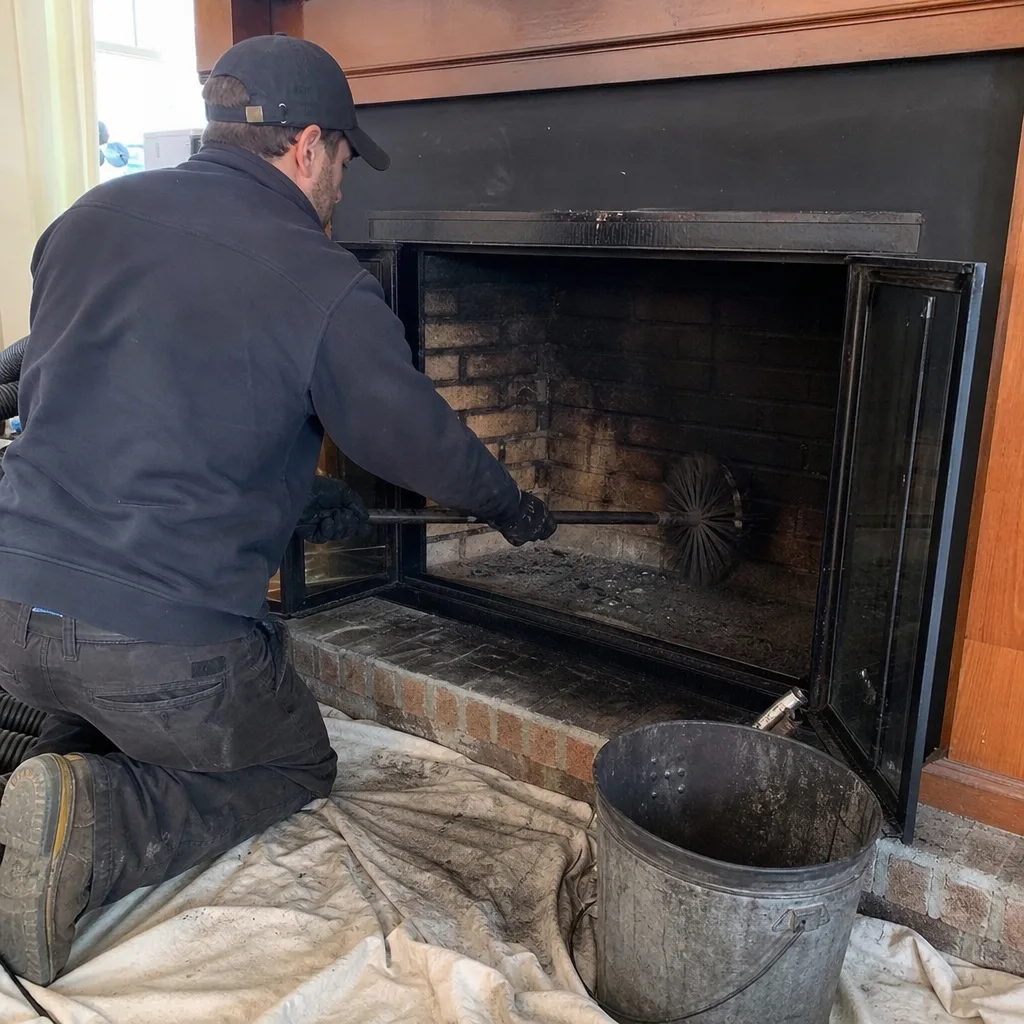
Level 1 sweep and inspection to the NFPA 211 annual standard - flue, crown, cap, and flashing checked and photographed
Chimney sweep logs do not sweep chimneys. They loosen some creosote - which then falls where a brush and vacuum still have to collect it.
The Complete Guide to Chimney Cleaning in East Boston
Most chimney fires we’re called to assess don’t start in a fireplace nobody used. They start in a flue that was swept on schedule by someone who didn’t know what to look for in an eighty-year-old East Boston triple-decker. A brush down the flue clears creosote. It doesn’t tell you the clay tile behind that creosote has spalled, that the mortar joints have softened, or that the offset in the chimney breast is catching debris no brush can reach. East Boston’s housing stock and its position on Boston Harbor create conditions a generic annual sweep won’t address. This guide covers what actually matters here: liner age, creosote stages, shared flues in multi-family buildings, and what separates a real sweep from a discount pass-through.
Quick Answer
Chimney cleaning in East Boston means a full flue and firebox evaluation, not just a brush run: a wood-burning flue needs sweeping when creosote reaches 1/8 inch or more, and most East Boston homes with pre-1950 clay-tile liners need the flue checked for tile spalling and mortar joint failure at the same visit. Older masonry chimneys near the harbor typically need more frequent inspection than newer stainless systems because moisture and age work on the mortar from the inside out. A sweep that ends at the firebox floor isn’t finished; it should end with a report on what the flue actually looks like.
Styles & brands we work with
- Sweep & inspection
- Caps & crowns
- Flue relining
- Masonry repair
- Gas fireplace service
Table of Contents
- Why East Boston Chimneys Age Differently
- Clay Tile vs. Stainless: What You’re Actually Sweeping
- The Three Stages of Creosote and What Each One Means
- Shared Chimneys in East Boston Multi-Family Buildings
- What a Full-Scope Sweep Includes (and What a Discount Crew Skips)
- How Often Should You Sweep in East Boston?
- Carbon Monoxide and Blocked Flues
- What Chimney Cleaning Costs in East Boston
Why East Boston Chimneys Age Differently
East Boston sits on the harbor, and that matters to masonry in ways that aren’t obvious from the street. The neighborhood’s dense housing was built mostly before 1950, which means most chimneys here are brick with clay-tile liners set in mortar. Those materials were never designed for a century of moisture cycling, and East Boston’s climate gives them plenty of it: humid summers, freeze-thaw winters, and prevailing damp coming off the water. Water is the primary enemy of a masonry chimney. It gets into the brick and mortar, freezes, expands, and opens hairline cracks that widen each season. The harbor’s damp air keeps exterior masonry wet longer than in drier inland towns, so the freeze-thaw cycle does more damage per winter.
Inside the flue, the same moisture problem plays out through condensation. A chimney that isn’t warmed by regular fires stays cool, and cool flues condense the water vapor in flue gases. That moisture combines with creosote and settles into mortar joints, softening them. Over years, softened joints let tile sections shift. When we inspect an East Boston chimney from the 1920s or 1930s, the most common finding isn’t heavy creosote. It’s mortar joint recession and early tile spalling, especially in flues that haven’t seen a fire in a decade or more.
Roof exposure matters here too. East Boston’s triple-deckers and older two- and three-family houses typically have shallow-pitch roofs and short chimneys that terminate close to the roofline. Short chimneys draw poorly, which means smoke lingers and deposits creosote faster than a tall, well-drafted stack would. The combination of a short stack, an aging clay liner, and a firebox that may have been converted to gas or a wood insert at some point is why a plain sweep on an East Boston chimney tells you very little without an inspection attached.
Clay Tile vs. Stainless: What You’re Actually Sweeping
The cleaning method follows the liner, not the calendar. Two East Boston chimneys of the same age can need completely different protocols depending on what’s inside them.
Pre-1950 Clay-Tile Liners
Most original East Boston masonry chimneys have square or rectangular clay tiles set with mortar. These tiles are brittle. They crack, spall, and separate at the joints over decades, and the failures are often invisible until a camera goes up the flue. A sweep on a clay-tile chimney has to be done with poly brushes sized to the flue, at controlled speed, because a stiff brush run aggressively through an already-cracked tile can widen the damage. The sweep also has to be followed by a visual or camera check of the tile above the firebox, since mortar that has fallen onto the smoke shelf or into an offset is a blockage no sweeping removes. When we find deteriorated tile, resurfacing with chimney sweep evaluation first tells us whether resurfacing is viable; HeatShield is a ceramic resurfacing system designed to extend the life of a liner that has deteriorated joints without a full reliner, and it’s often the right call before jumping to replacement.
Stainless Steel Liners
Homes that have already been relined, or that have a wood insert or gas appliance venting through a stainless system, need a different sweep. Stainless flex liners hold less creosote than clay, but the appliance matters. A wood insert with a stainless liner through an original masonry chimney can produce heavy, glazed creosote if it’s run at low temperatures, and gas appliances produce a different residue entirely. DuraFlex flexible liner systems are what we install when an original clay flue has failed past the point where resurfacing will hold; they’re a common relining answer for aging masonry chimneys. The key point for East Boston homeowners: don’t assume your sweep protocol. Whether you’ve got original clay tile or a stainless liner inside the same brick stack changes how the flue gets cleaned and what the technician should be checking.
The Three Stages of Creosote and What Each One Means
Creosote is the residue of incomplete combustion, and it builds in layers. What stage it’s in determines whether a brush alone will clear it or whether chemical treatment is required first. Here’s how the three stages work, in the order you’re likely to encounter them:
- Stage 1 – Soot and light flaky creosote. This is a powdery, grey-black deposit that brushes off cleanly. It builds fast, especially in short-draft East Boston chimneys, and it’s what most regular sweeps are removing. If this is what’s in your flue, you’re on schedule.
- Stage 2 – Hard, crunchy creosote. This is a flaky, hardened deposit that has baked onto the liner. A standard brush run won’t fully remove it; a rotary poly brush with slightly more pressure will. Stage 2 is a signal that the appliance has been burning at low temperatures or that the flue has been running cool, both common in homes with short stacks or oversized flues.
- Stage 3 – Glazed creosote. This is a shiny, hardened, tar-like coating fused to the liner. It ignites at lower temperatures than the other stages and is a genuine fire risk. Stage 3 doesn’t brush off; it needs chemical treatment over time to soften and break down before it can be removed. Glazed creosote is the reason skipping a season matters, because the worse it gets, the more of it stays.
In East Boston, we see stage 2 and stage 3 creosote most often in two situations: lightly used fireplaces where the fire is smoldered at low temperature, and inserts where the flue is oversized for the appliance. If your chimney hasn’t been swept in two or more seasons, or if the firebox shows a heavy, tarry smell before any fire is lit, there’s a fair chance you’re dealing with stage 2 or stage 3. The clean-up method is different, and it takes more time than a routine sweep. That’s one of the reasons a discounted “sweep and go” visit isn’t a good deal here: it only covers stage 1.
Shared Chimneys in East Boston Multi-Family Buildings
East Boston has a high concentration of multi-family housing, and many of those buildings have more than one flue running inside a single masonry stack. When a chimney serves multiple units, the inspection picture changes. Two immediate consequences:
- Liner breaches can cross-vent between units. If a flue serving one unit fails, gases from that flue can enter a neighboring flue inside the same masonry stack. Nothing about that transfer is visible from inside either unit. It only shows up with a camera inspection, and it’s the reason an inspection on a multi-family building isn’t optional before burning season.
- Liability runs with the building, not the unit. If you’re a landlord or an owner of a two- or three-family building, an inspection report that documents the condition of every flue and firebox in the building protects you in a way an individual unit’s maintenance records can’t. Inspection capped, sealed, and documented per flue is the standard, and it’s why we offer chimney inspection as a standalone service in East Boston for owners who need a paper trail for insurance or a building transaction.
Caps matter more in a shared stack too, because an open flue invites birds and debris into the shaft, and a blocked flue affects every flue above and below it through the draft. chimney cap & crown work on a multi-family East Boston building should be done with caps sized to each flue and chosen for draft compatibility, not just coverage. That’s why we use Gelco and Famco caps on these buildings: a cap that fits tight and vents correctly keeps rain and animals out without killing the draft on short East Boston stacks.
What a Full-Scope Sweep Includes (and What a Discount Crew Skips)
A full-scope sweep in East Boston starts with setup and ends with a report. The steps are specific:
- Protect the interior. Drop cloths and a sealed vacuum setup, so no soot escapes into the room. A discount job that leaves a fine black film on furniture wasn’t set up right, and you’ll find out after they’re gone.
- Check the firebox and damper. Creosote and debris collect on the damper shelf and behind it. That’s where a blockage starts. Clearing the firebox floor and checking damper function is step one for a reason.
- Sweep the full flue length. Brush type depends on the liner: poly brushes on clay tile, appropriate brushes for stainless. The sweep runs the full height of the flue, top to bottom, from the roof or the top of the chimney, not just up from the firebox. Short East Boston chimneys still need a full-length sweep.
- Remove the debris. Ash and creosote collected at the base get bagged and removed, not left to sit in the chimney.
- Inspect the flue condition. This is the step most people skip. We look at the tile (if present) for cracks and spalling, check mortar joints, and look for any obstruction. On older East Boston clay-tile flues we go up with a camera when the visual check is inconclusive.
- Check the cap and crown. A missing cap or a cracked crown lets water into the masonry from the top, undoing the inside in one winter. This is where cap and crown issues show up before they turn into liner damage.
- Report what we find. A sweep that ends with “all done” tells you nothing. We tell you what we found and what it needs, with a clear picture of what’s actually wrong and what can wait.
What a discount crew skips, in order of frequency: the flue condition inspection, the cap and crown check, and the firebox-to-flue transition behind the damper. Those three things are why a cheap sweep can cost more in the long run, because the liner problem that gets missed during a $99 pass-through is the one that shows up as a masonry repair the following spring.
How Often Should You Sweep in East Boston?
The general rule from every chimney safety body is the same: sweep when creosote reaches 1/8 inch of buildup. For most East Boston homes burning wood regularly through the winter, that works out to an annual sweep. There are local adjustments to that rule, though, and they matter:
- Wood-burning fireplaces, used regularly: annual sweep, every season before first burn.
- Wood-burning and not used for over a year: sweep before you light up again, even if the last sweep looked clean. A flue that sits is a flue where creosote hardens, moisture collects, and animals or debris find their way in. East Boston homes that sit vacant between tenants fall into this category, and it’s a safety point, not a sales one.
- Gas inserts and appliances: annual inspection. Gas doesn’t create creosote in the wood-burning sense, but the vent connection, flue condition, and carbon monoxide risk still need to be checked every year.
- Multi-family buildings: inspect every flue per unit every season, and sweep each active flue as needed. A single building can have a clean flue on one side and a failed flue on the other.
- Inserts: annual sweep and inspection of the insert itself, not just the flue above it. The insert-to-flue connection is where blockage and glazed creosote hide.
The bottom line for East Boston’s pre-1950 housing: treat the sweep as annual and the inspection as every time the sweep happens. On clay-tile chimneys in this neighborhood, the condition check has more to do with fire safety than the creosote layer does.
Carbon Monoxide and Blocked Flues
A blocked flue backs combustion gases into the room, and carbon monoxide has no smell, no color, and no warning on its own. That single fact is the whole reason chimney inspection is treated as a safety service and not just maintenance. In East Boston, the conditions that block flues are common: masonry from a failed mortar joint can fall onto the smoke shelf; a bird or squirrel nests in an uncapped flue over a summer; a shared stack in a multi-family building can cross-vent if a liner has failed. None of those show up in the room until someone gets sick.
The single most effective protection against a blocked flue is a working carbon monoxide alarm on every occupied level, plus an inspection that actually looks up the flue. If your East Boston home has a gas appliance or a wood insert, and you’ve never had a camera inspection of the flue, that’s the visit that matters before the season starts. We don’t install or sell carbon monoxide alarms as a service, but we do flag the ones we see during an inspection, and if we find a blocked or failed flue we’ll tell you plainly what needs to happen before the appliance goes back into service.
What Chimney Cleaning Costs in East Boston
Chimney sweep pricing in East Boston depends on the flue, the level of creosote, and whether an inspection is included. There’s no useful single number, because the sweep on a clean, low-use fireplace is a different visit from the sweep and inspection of a two-flue, pre-1950 clay-tile chimney with a failed joint. Here’s the general breakdown of what drives the visit: the number of flues, the creosote stage, whether a camera inspection is needed, and whether any tile or mortar repair is found. The written estimate sets the price before any work begins, and the estimate is free.
Services that sometimes get added to a sweep, based on what’s found during inspection, include chimney cap or crown work (if the cap is missing, damaged, or the crown is cracked), fireplace repair (if the firebox, damper, or insert has an issue), and resurfacing or relining (if the liner condition warrants it). HeatShield resurfacing and DuraFlex liner installation both come into play here, and the decision between them depends on what the flue inspection shows. We’d rather tell you what can safely wait than push a liner you don’t need.
Common Mistakes to Avoid
- Treating a sweep as the whole job. A brush clears creosote, but it doesn’t evaluate the liner. In an East Boston pre-1950 chimney, the condition of the clay tile is more important than the creosote layer, and a sweep with no inspection misses it.
- Skipping the cap. An uncapped flue in this neighborhood is an open door for birds, squirrels, and rain. It’s a one-winter problem that turns into a liner problem. Having a cap on every flue is the cheapest line of defense you’ve got.
- Assuming all sweeps are equal. A discount sweep that skips the flue check and the cap check hasn’t really done the job. Ask what’s included, specifically, and whether a flue condition report comes with the visit.
- Waiting until the problem is visible. Liner failures start inside the flue. Cracks and mortar joint recession don’t show at the firebox until a piece of tile drops. The time to catch it is the inspection, not the first blocked fire.
- Ignoring the firebox after a liner check. Fireplace repair is a separate part of the chimney system. A damper that doesn’t close, a firebox with a cracked joint, or an insert whose connection is loose all need to be seen on the same visit.
- Leaving glazed creosote for the next sweep. Stage 3 creosote hardens with time and needs chemical treatment before it can be removed. Waiting a season doesn’t make it go away; it makes it harder to clear.
- Overlooking a multi-family flue that isn’t in use. An unused flue in a shared stack isn’t harmless. It’s an inspection point. A failed liner on either side of a shared stack is a hazard to both units.
See the difference
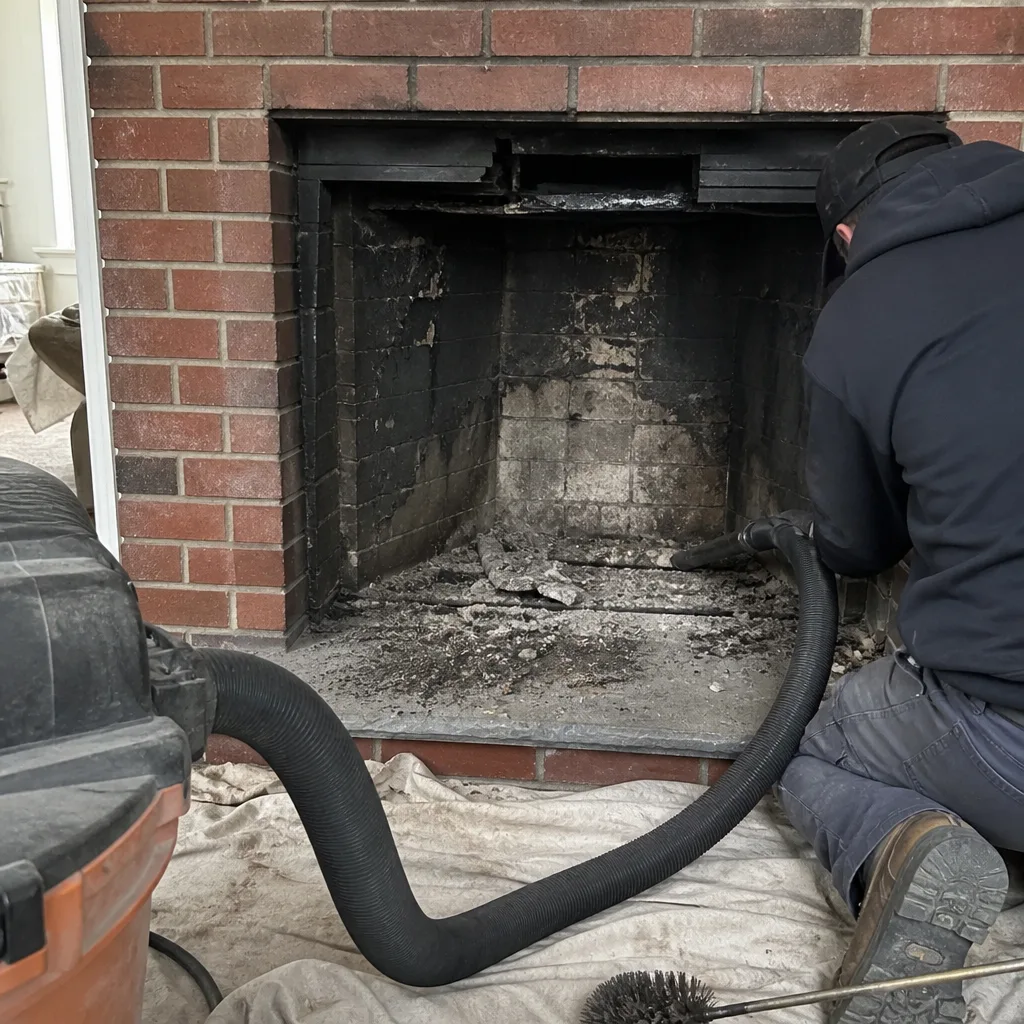 Before
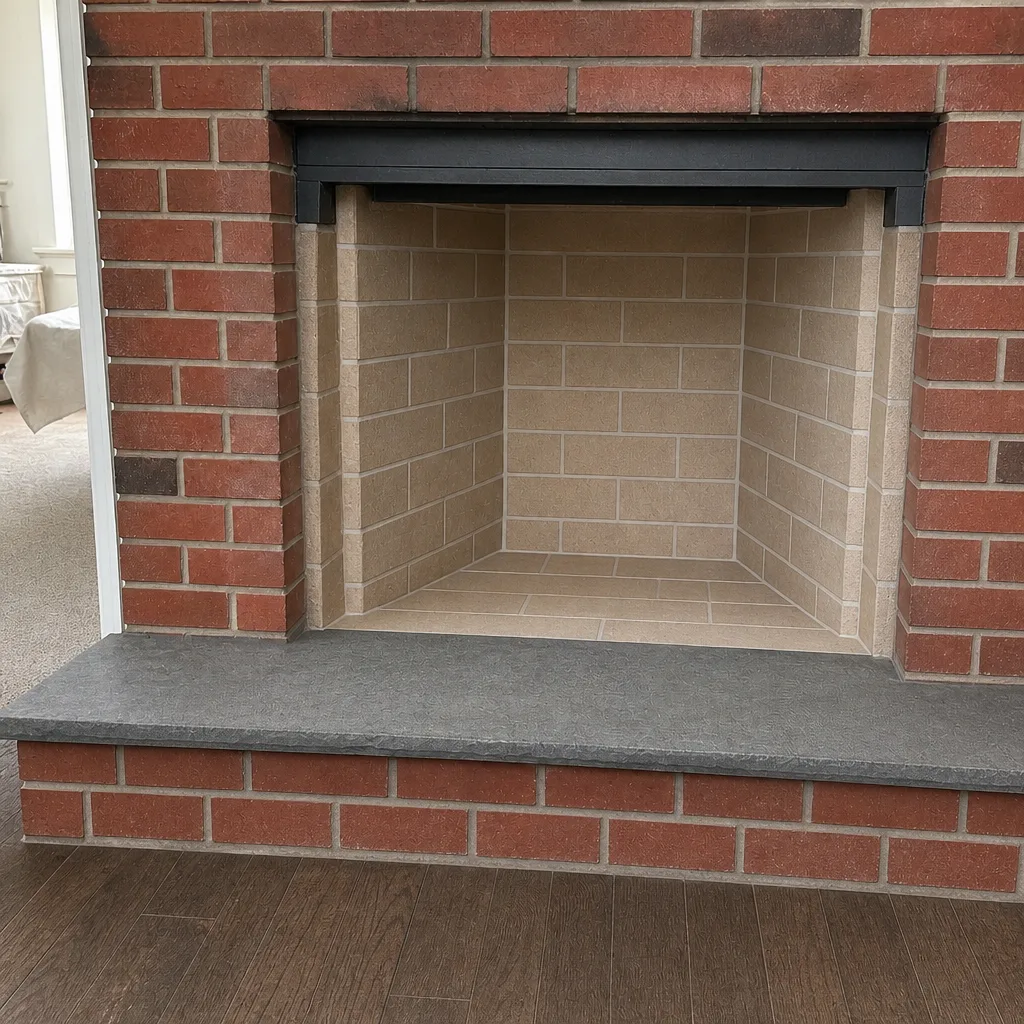 After
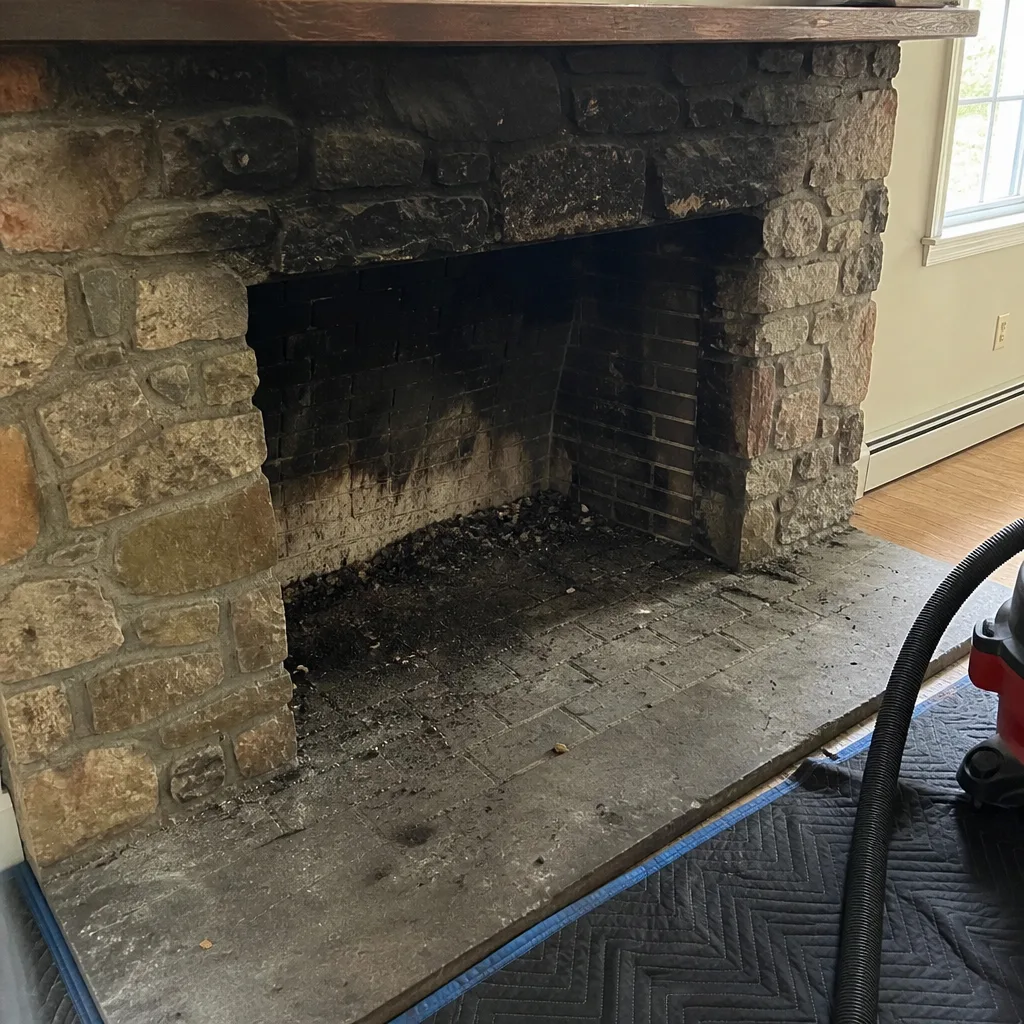 Before
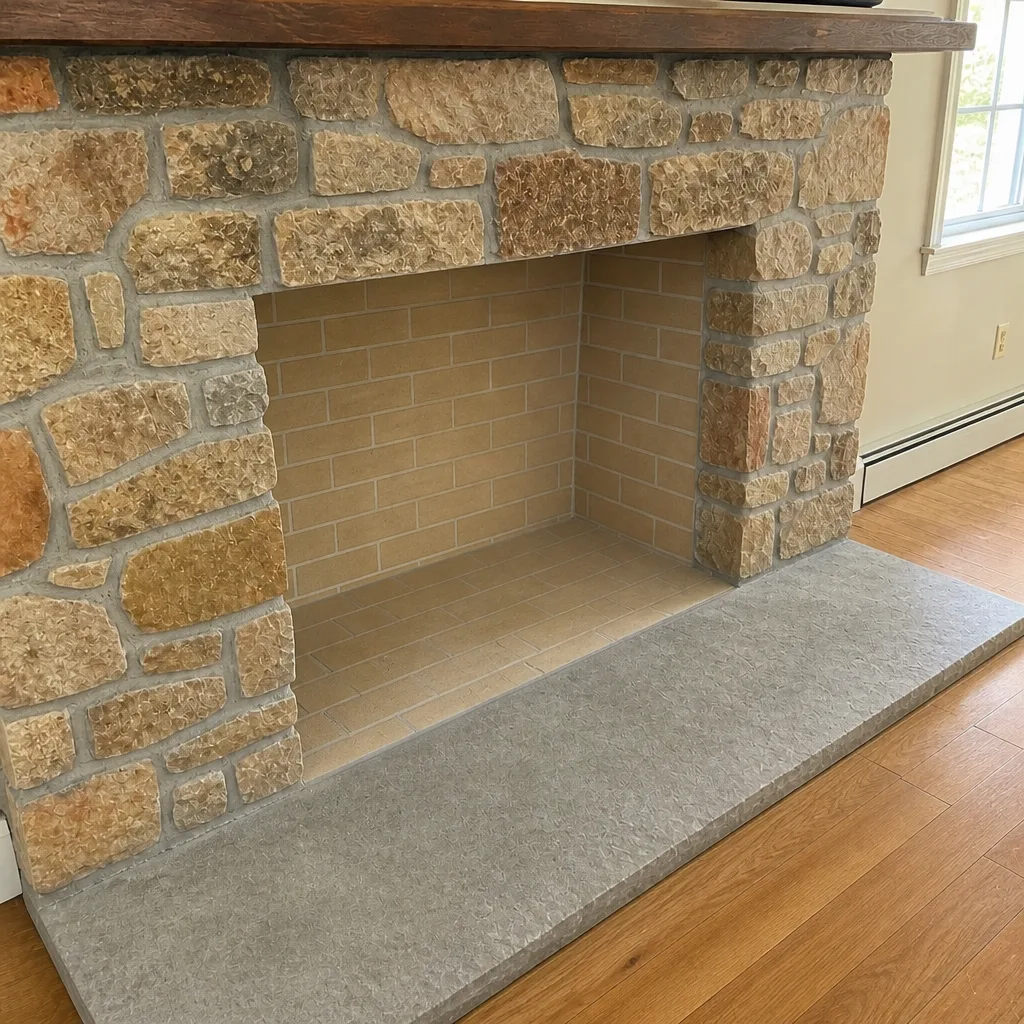 After
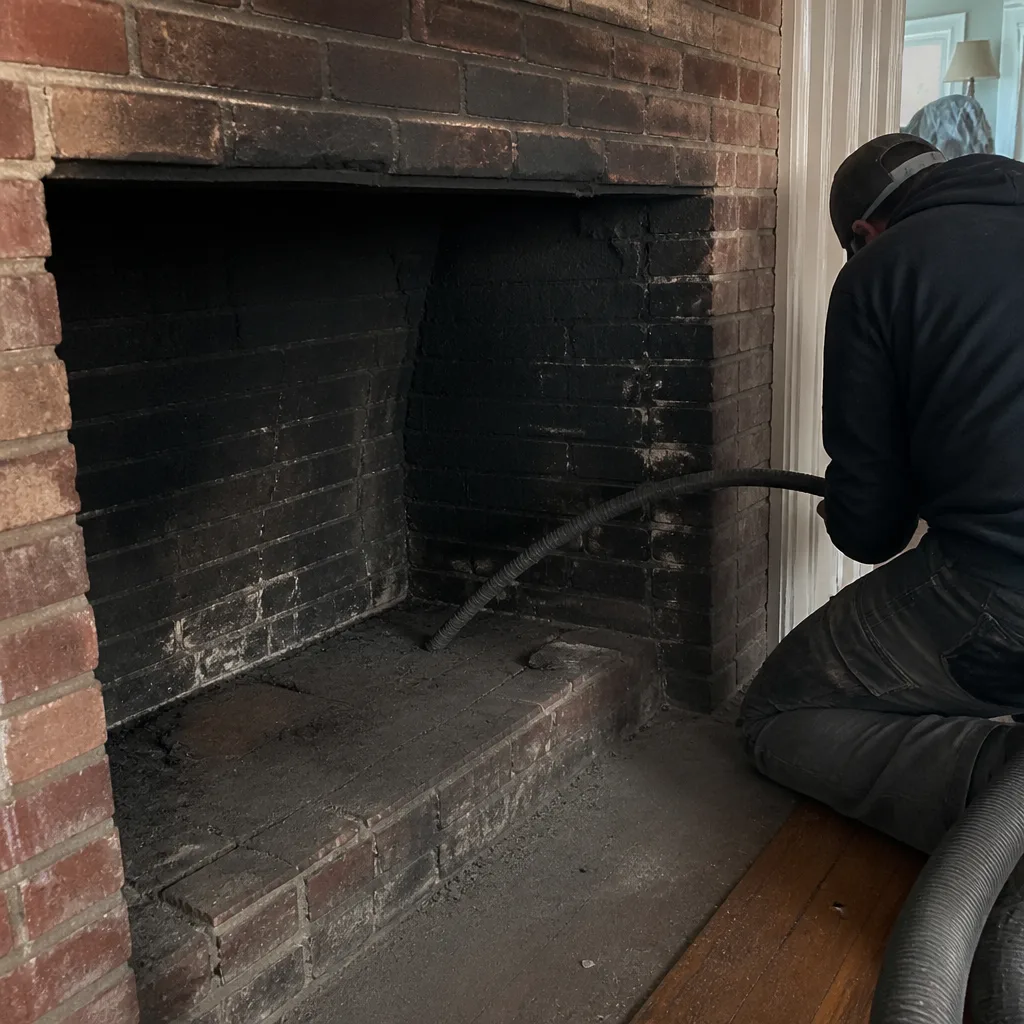 Before
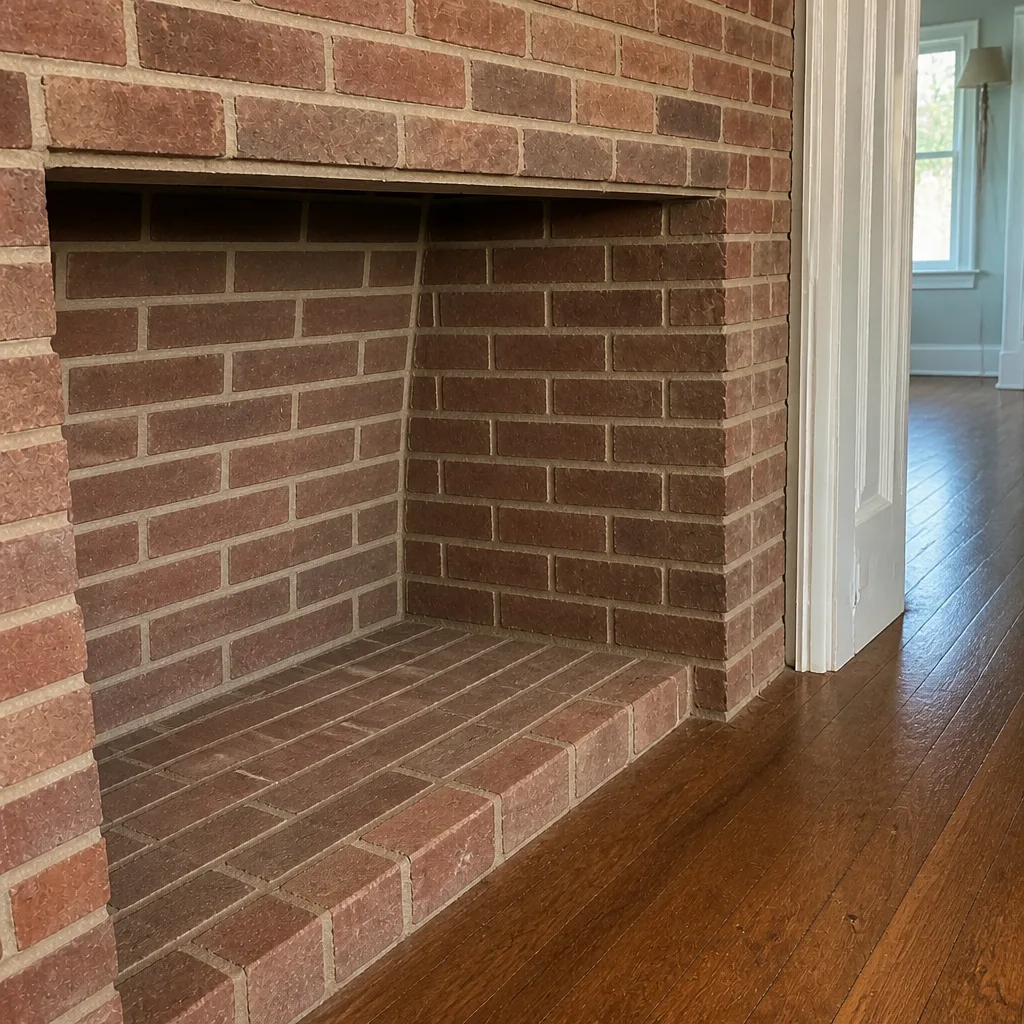 After
When to Call a Professional
Call a professional if your East Boston chimney hasn’t been swept in two or more seasons, if you’re buying a home and need an inspection for the transaction, if your insurance carrier has asked for documentation of the flue’s condition, or if you smell a strong creosote odor before a fire is lit. Also call if you’ve noticed spalling tile, a crack in the brick at the roofline, or a cap that’s come loose, and if you’ve had a chimney fire, even an obvious one. Chimney Sweep East Boston offers free estimates in East Boston. We answer 24/7, with fast dispatch from 7am to 7pm, Sunday through Friday. Call (888) 898-1071 for an exact quote. We can take the full flue assessment, cover, sweep, and any cap, liner, or fireplace repair in a single visit, so you’re not sourcing a second contractor mid-project. If we find something that can safely wait a season, we’ll tell you that too, because the report has to be honest for it to mean anything.
Frequently Asked Questions
Chimney sweep cost in East Boston depends on the number of flues, the creosote stage, and whether an inspection is included in the visit. There’s no useful flat number, because a single-flue, lightly used fireplace is a different job from a pre-1950 triple-decker stack with two flues and a tile joint that needs a camera check. The estimate is free, and the written estimate sets the price before any work begins. Call (888) 898-1071 to book an assessment of your East Boston chimney.
A sweep alone isn’t enough for most East Boston chimneys. The sweep clears creosote, but it doesn’t tell you whether the clay tile behind that creosote has spalled or whether the mortar joints have softened, and those are the failures that matter in pre-1950 housing stock. A full visit here should include the flue condition check and the cap and crown check, not just the brush. If a sweep provider can’t tell you what condition the liner is in afterward, ask why. Call (888) 898-1071 for a free estimate that includes the inspection.
Sweep when creosote reaches 1/8 inch of buildup, which for most East Boston homes burning wood regularly means once a year. Two adjustments to the general rule apply here. A flue that’s been out of use for a year gets swept before it’s used again, because hardened creosote and debris don’t clear themselves. And in a multi-family building, every flue gets inspected each season and swept as needed, even one that’s currently unused. Call (888) 898-1071 to schedule the pre-season sweep.
Skipped sweeps lead to two real problems: a chimney fire risk from built-up creosote, and carbon monoxide risk from a flue that’s blocked by falling masonry, hardened creosote, or an animal nest. Neither is visible from the room until the problem is serious. In East Boston’s older clay-tile chimneys there’s a third: mortar that softens and fails over time without anyone noticing, leading to a repair that the inspection would have caught earlier. Call (888) 898-1071 for a free estimate before the burning season.
We handle the full chimney and fireplace system, so cleaning, cap and crown work, liner repair, fireplace repair, and inspection all come from one call. That matters most when the inspection finds something, because you’re not having to schedule a separate contractor for the repair while the sweep is still fresh. We install DuraFlex liner systems when a flue has failed, use HeatShield resurfacing when the liner condition allows it, and use Gelco and Famco caps selected for fit and draft compatibility. Call (888) 898-1071 for a free estimate. fireplace repair and chimney repairs can be wrapped into the same visit as the sweep.
In East Boston multi-family buildings with a shared masonry stack, each flue gets inspected on its own, and a failure in one flue can vent into another unit’s flue through the same stack. The inspection documents the condition of every flue separately, which is the version a landlord or building buyer needs for records. If one flue has failed, it doesn’t mean the others have, but they still need to be seen. Call (888) 898-1071 for a free estimate on the multi-flue inspection.
The Bottom Line
Chimney cleaning in East Boston isn’t a brush down the flue. It’s a full flue, firebox, and cap assessment that catches the conditions this neighborhood’s housing stock produces: aging clay tile, softened mortar joints, short flues that build creosote fast, and shared stacks in multi-family buildings where one failure can reach two units. Sweep annually, inspect every time, and make sure the report tells you what the liner actually looks like. We name the materials we use and why, because HeatShield resurfacing, DuraFlex relining, and a correctly fitted Gelco or Famco cap are all decisions a homeowner should be able to understand and verify. Nothing gets recommended without evidence you can see. If you’re ready to know what your chimney actually needs before the season starts, start with a free estimate.
Call (888) 898-1071 for a free estimate. We answer 24/7, with fast dispatch from 7am to 7pm, Sunday through Friday. Reach out to the team at Chimney Sweep East Boston and we’ll schedule the sweep and inspection together.
Written by the team at Chimney Sweep East Boston.